Micro DC Gearbox Motors are pivotal in various industries, powering everything from robotics to home appliances. According to a recent market report, the global micro DC motor market is expected to reach $7.4 billion by 2025, with a compound annual growth rate of 5.3%. These motors offer efficiency and precision, essential for modern applications. Their compact design allows for versatile integration in tight spaces.
However, choosing the right Micro DC Gearbox Motor can be complex. Buyers often face challenges in assessing quality and specifications. The range of options can lead to confusion, especially when balancing performance against cost. Reliability and service life are critical factors that need careful consideration. Reports indicate that approximately 15% of all motor failures stem from poor selection or installation processes, highlighting the importance of thorough research.
Understanding the nuances of Micro DC Gearbox Motors ensures better decision-making. Buyers should seek products with proven performance records and positive customer feedback. Ensuring compatibility with specific applications is also essential for achieving optimal results. As the demand for precise and compact motors grows, making informed choices becomes increasingly vital to avoid setbacks.
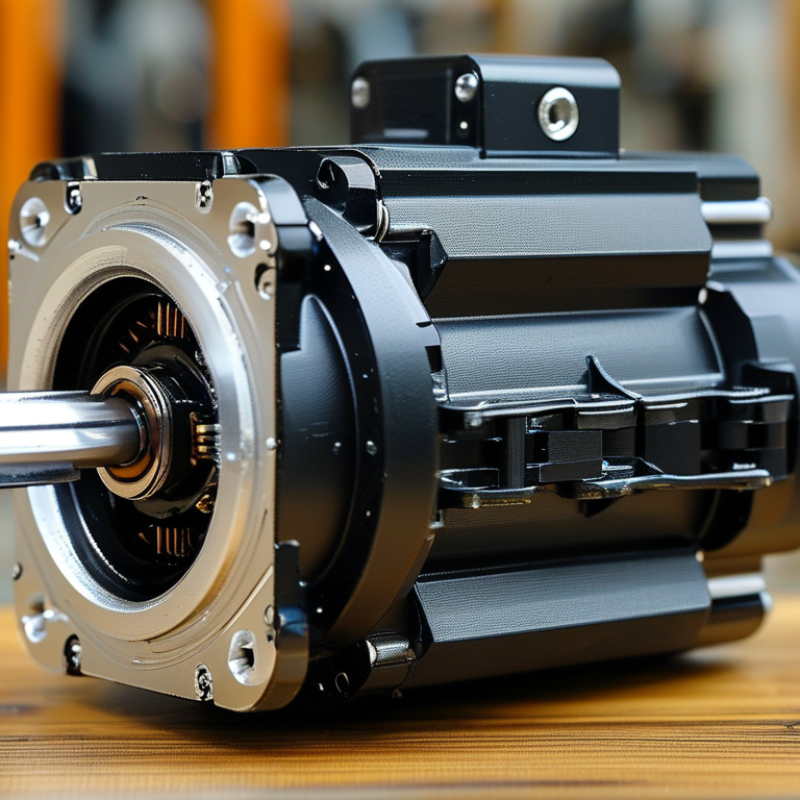
Micro DC gearbox motors are compact and versatile. They are essential in various applications, from robotics to medical devices. These motors combine a DC motor with a gearbox, providing high torque and low-speed output. This design is perfect for tasks requiring precision and control. Users need to understand their specific requirements before making a purchase.
When choosing a micro DC gearbox motor, consider factors such as size, torque, and voltage. Ensure the motor fits your project dimensions. Pay attention to the gearbox ratio, as this impacts speed and torque. A higher ratio decreases speed but increases torque, which may be necessary for certain tasks.
Tip: Always double-check the specifications before buying. It’s easy to overlook details like mounting options. Test the motor's performance in your application. It's wise to conduct trials, as real-world usage can differ from theoretical expectations. Making adjustments based on feedback is crucial for optimal performance.
When selecting micro DC gearbox motors, several key performance metrics are vital. Efficiency is essential. Higher efficiency means less energy wastage. Look for motors that provide a balance between torque and speed. Too much torque with low speed may limit your applications.
Size and weight matter too. A compact motor is easier to integrate into tight spaces. The weight affects the overall design. You need to consider load capacity based on your project's requirements. Testing different configurations can lead to improvements. Sometimes, motors underperform in unexpected ways.
Noise levels are often overlooked. Some applications require silent operation. Look for specifications that outline noise ratings. Durability is another concern. The lifespan of the motor should match your operational needs. Poor material choices can lead to early failures. Regular reviews on performance metrics can guide future purchases, ensuring better choices in the long run.
The demand for micro DC gearbox motors continues to rise globally. In 2023, industry reports forecast an annual growth rate of over 5% in this sector. These motors are essential for many applications, from robotics to household appliances. They offer compact designs and efficient performance, making them a preferred choice for manufacturers.
When analyzing top global manufacturers, several stand out for their innovation and reliability. Market research suggests that companies focusing on quality materials and advanced engineering are seeing increased market share. For example, the automotive sector's demand for precise motor control has contributed significantly to this growth. Industry experts emphasize the importance of robust testing protocols to guarantee performance.
Tip: Evaluate potential suppliers based on their production capabilities and quality assurance processes. Researching customer reviews and industry certifications can provide insights into a manufacturer's reliability.
Finding the right micro DC gearbox motor isn't always straightforward. Buyers must consider power ratings, torque requirements, and form factors. While many suppliers may claim expertise, not all prioritize customer service or after-sales support. Ensure that your chosen manufacturer can address specific needs and provide timely assistance. This will help mitigate potential supply chain issues and enhance long-term partnerships.
The micro DC gearbox motor market is evolving rapidly due to advancements in technology. Reports indicate that the market is expected to grow at a CAGR of 7.2% from 2023 to 2030. Emerging technologies such as high-efficiency gear designs and digital control systems are driving this growth. Manufacturers are focusing on creating more compact motors that offer higher torque and lower noise levels. This aligns well with global demands for quieter and more energy-efficient solutions in consumer electronics and automation.
As designs improve, the integration of smart technology into micro motors is becoming more prevalent. Sensors and connectivity features are being added, allowing for real-time performance monitoring. This shift towards smart motor systems can enhance their adaptability in various industries. Tips for buyers: always consider the motor's compatibility with your application. Look for specifications on torque, speed, and efficiency.
While these developments are promising, challenges remain. Cost management can be significant, as high-tech materials can drive prices up. Additionally, ensuring reliability in harsh environments is crucial for long-term use. Users should engage in thorough testing before finalizing their choices. The industry is advancing, but the path forward must consider both innovation and practical application challenges.
| Type | Rated Voltage (V) | No-load Speed (RPM) | Rated Torque (mNm) | Efficiency (%) | Weight (g) |
|---|---|---|---|---|---|
| Standard Micro DC Motor | 6 | 12000 | 1.5 | 85 | 30 |
| High Torque DC Motor | 12 | 8000 | 4.0 | 80 | 45 |
| Mini Gear DC Motor | 3 | 15000 | 0.8 | 90 | 20 |
| Precision Gear Motor | 24 | 4000 | 6.0 | 75 | 60 |
| Ultra Low Voltage Motor | 1.5 | 25000 | 0.5 | 92 | 15 |
The market for micro DC gearbox motors is witnessing significant growth. This surge is driven by advancements in automation and robotics. According to recent industry reports, the demand for these motors is projected to increase by over 8% annually through 2025. Application sectors such as healthcare, automotive, and consumer electronics are particularly influential.
Supply trends indicate a rise in manufacturing capabilities across Asia-Pacific. Countries like China and Japan lead in production capacity. However, challenges remain. Fluctuating raw material prices and supply chain disruptions can impact the market. Recent research highlights that maintaining quality while scaling production is a delicate balance for manufacturers.
Additionally, the integration of micro DC gearbox motors in emerging technologies raises questions. Are manufacturers adapting swiftly enough to market demands? The longevity of products remains a key concern, as consumers seek reliability alongside efficiency. Furthermore, a substantial increase in customization requests is noted. Responding to diverse client needs can strain resources. The industry must prioritize innovation while navigating these complexities.
: Efficiency, size, weight, torque, and speed are crucial factors. Balance between torque and speed is key.
A compact motor fits into tight spaces. Weight impacts overall design and load capacity.
Some applications require silent operation. Check noise ratings in specifications.
The motor's lifespan must meet your operational needs. Poor materials can lead to early failures.
High-efficiency gear designs and digital control systems are driving growth. Compact motors with lower noise are popular.
Integration of sensors and connectivity features allows for real-time monitoring and enhanced adaptability.
Cost management due to high-tech materials is significant. Reliability in harsh environments is essential.
Consider motor compatibility with applications. Test configurations and review performance metrics thoroughly.
Conducting thorough testing can highlight unexpected underperformance in motor options.
They offer promise but come with practical application challenges. Innovation must align with real-world use.
Micro DC Gearbox Motors are increasingly recognized for their versatility and efficiency in various applications, ranging from robotics to consumer electronics. Understanding the key performance metrics—including torque, speed, and efficiency—is crucial for buyers looking to select the right motor for their needs. Additionally, a market analysis reveals current demand and supply trends, emphasizing the importance of these motors in the evolving technological landscape.
As the industry continues to innovate, emerging technologies and design trends are shaping the future of Micro DC Gearbox Motors. Manufacturers are focusing on developing advanced features and optimizing performance to meet the diverse requirements of global buyers. Overall, the growing demand for compact and efficient motor solutions positions Micro DC Gearbox Motors as a vital component in a range of applications.

Kineto Motor