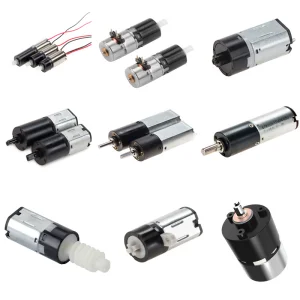
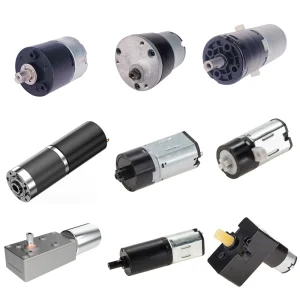
Explore our core selection of high-stability planetary micro-drives, spur pinions, and self-lubricating polymer components designed for precision mechanisms.
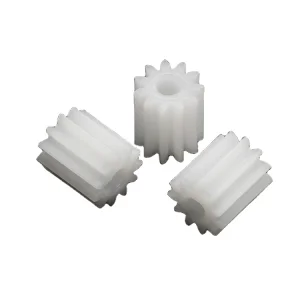
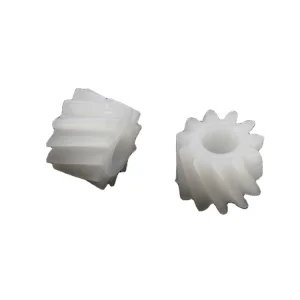
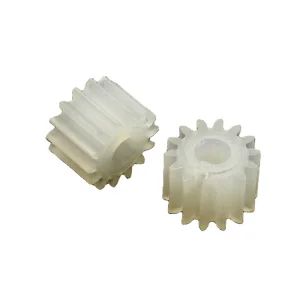
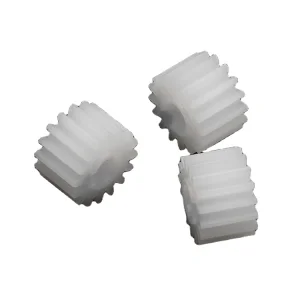
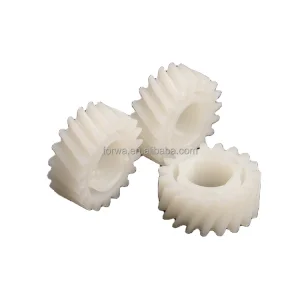
In modern industrial applications, the conversion from metal gears to high-performance thermoplastic gears is no longer merely a cost-saving measure; it is a critical strategy for weight reduction, noise mitigation, and self-lubricating longevity. Leading plastic gear manufacturers are at the forefront of polymer science, leveraging advanced injection molding techniques to replace bronze, cast iron, and machined steel in critical applications.
Unlike metals, engineered polymers such as POM (Polyoxymethylene), PA66 (Polyamide 66, often reinforced with glass fibers), and high-temperature PEEK offer unique viscoelastic properties. These materials absorb shock loads, damp system vibration, and minimize frictional coefficients. For global procurement teams, understanding the specific tribological behavior of these polymers under load, high thermal stress, and chemical exposure is vital to selecting the right plastic gear factory.
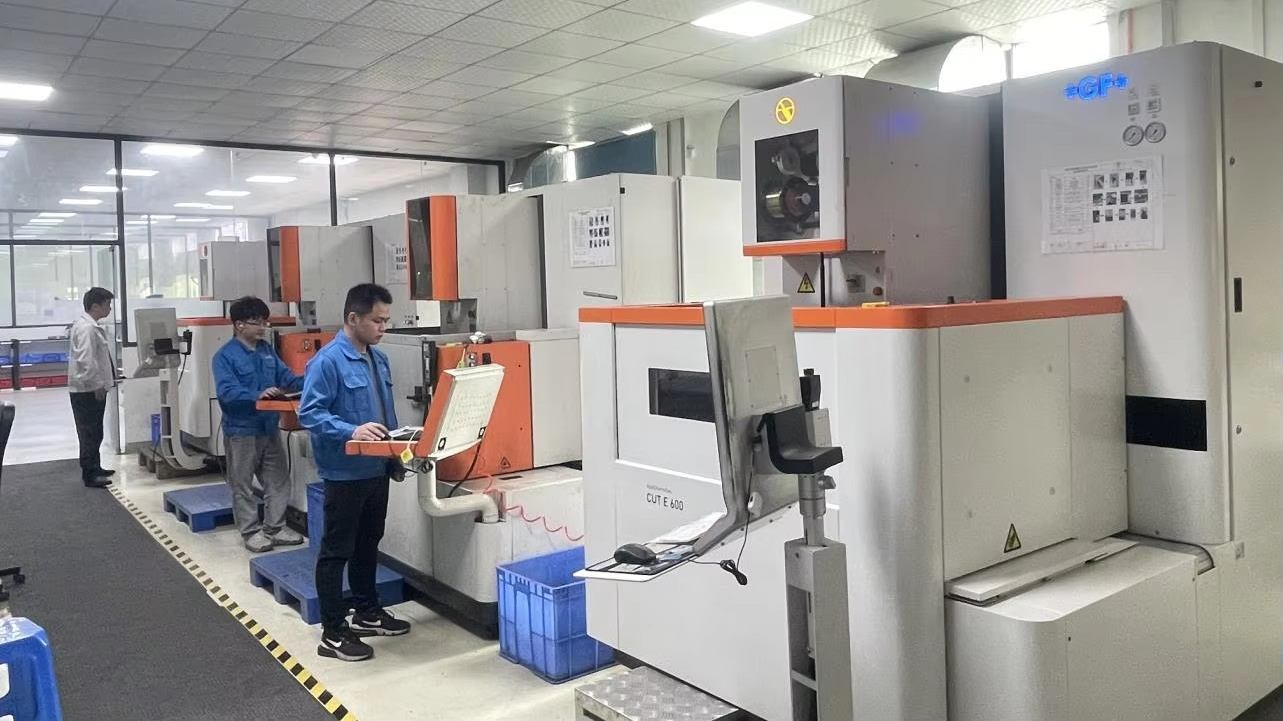
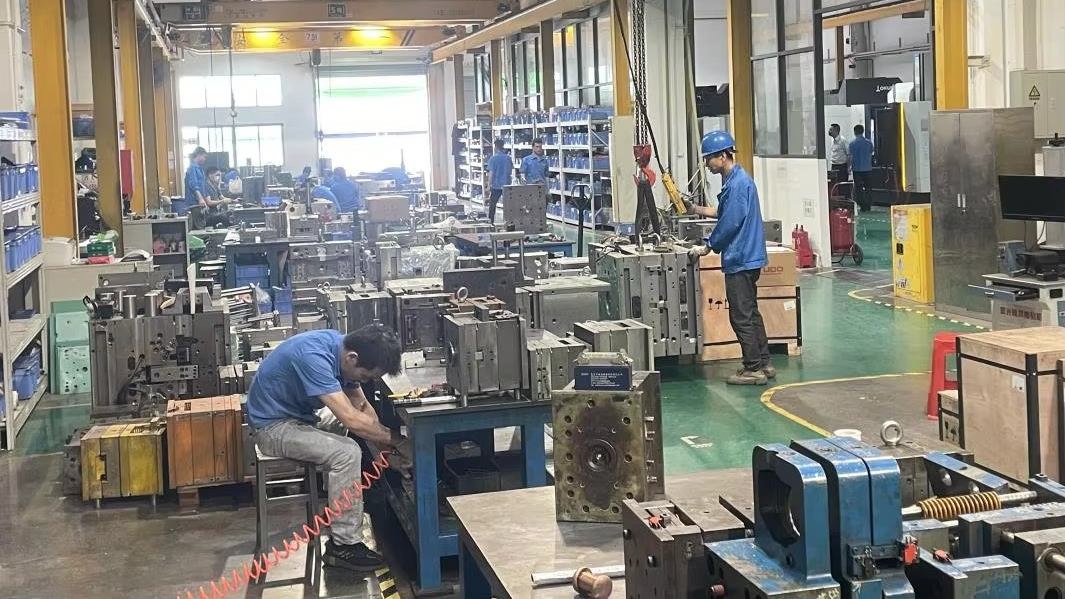
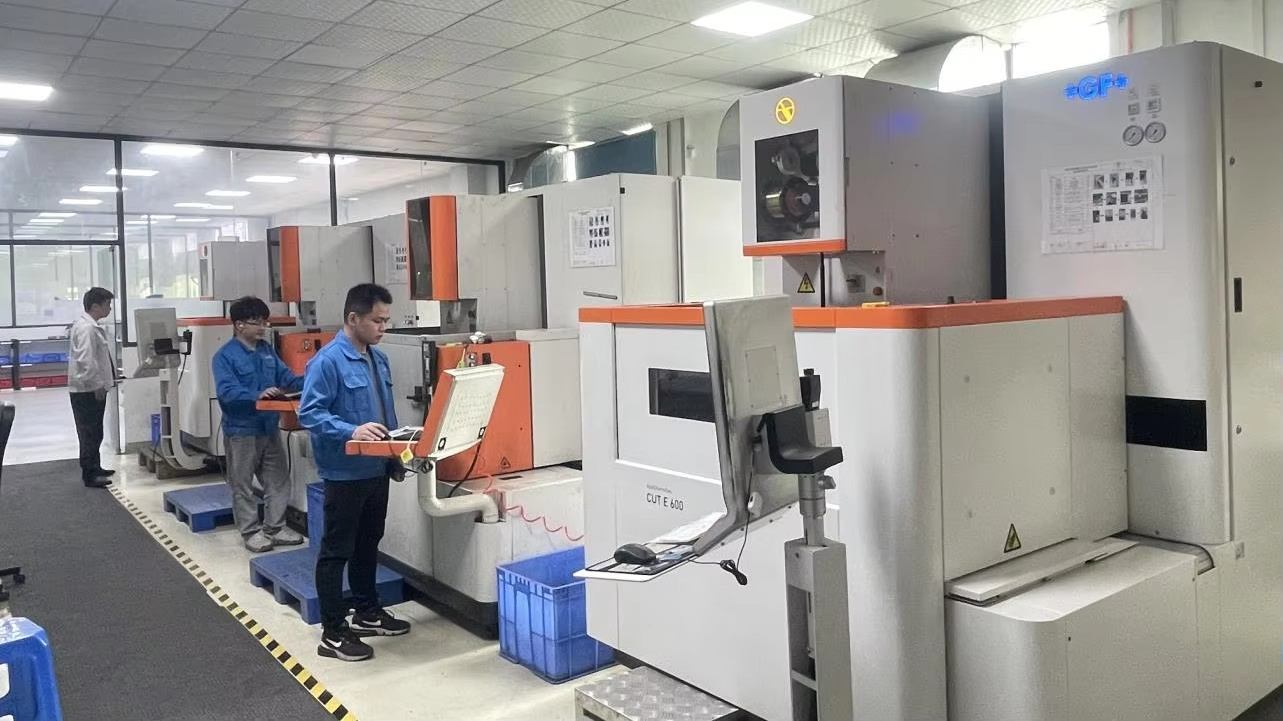
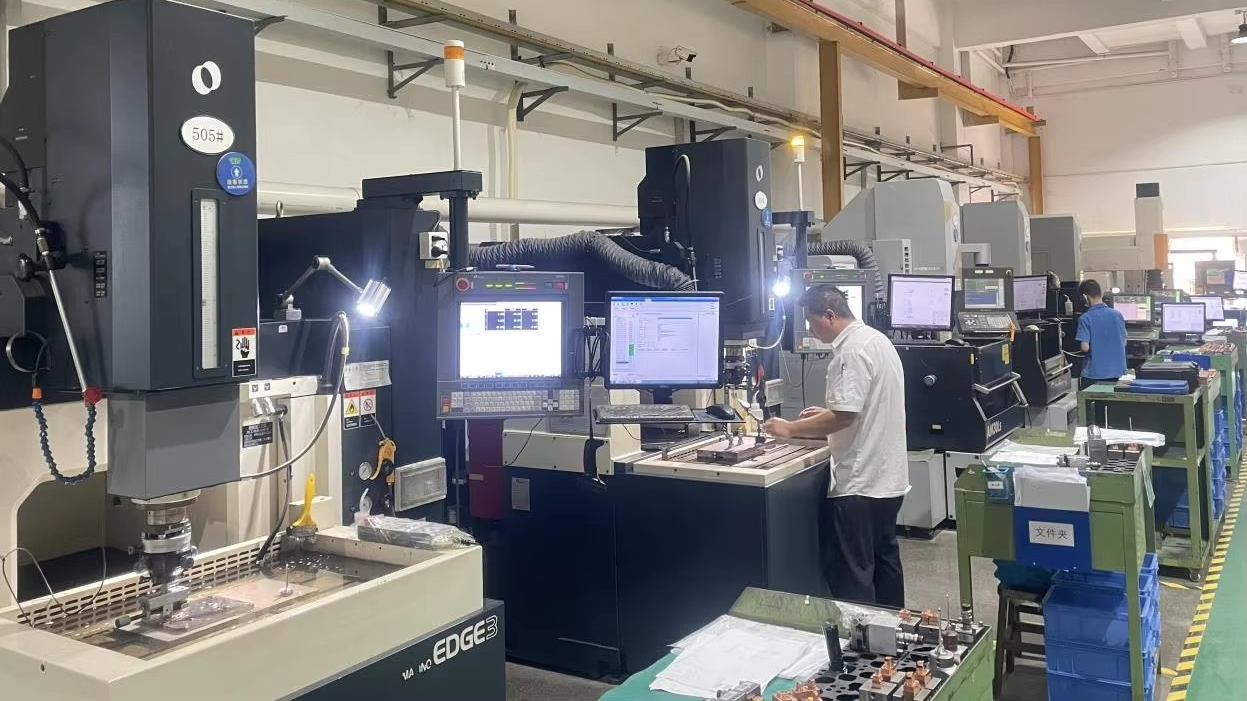
Industrial procurement departments in regions like North America, Europe, and Asia-Pacific prioritize three core factors when auditing a plastic gear supplier: dimensional stability, tool building precision, and material traceability. As tolerances in micro-drive gearboxes shrink below the 10-micron threshold, mold tool thermal management and cavity pressure control determine the quality gap. Top-tier production facilities combine multi-cavity hot runner systems with precision EDM (Electrical Discharge Machining) and slow-feed wire cutting to construct long-life molds capable of millions of shots with zero dimensional drift.
Utilizing high-performance POM, Nylon, and custom self-lubricating blends to significantly reduce wear and friction coefficients without external lubricants.
Specialized in micro-molding plastic gears with moduli down to 0.15mm, perfect for medical implants, cameras, and robotics.
Integrated rolling tests, double-flank gear inspection, and coordinate measurement systems guarantee zero-defect delivery.
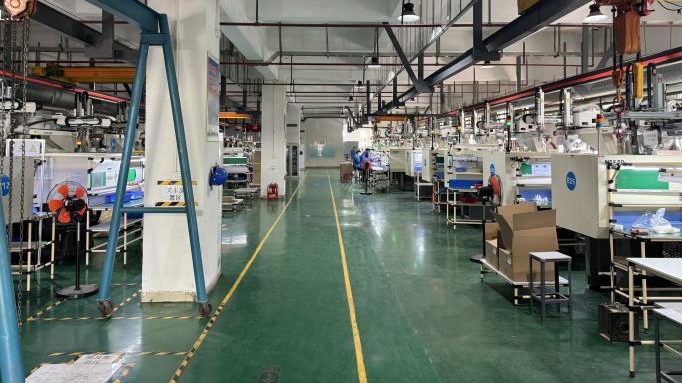
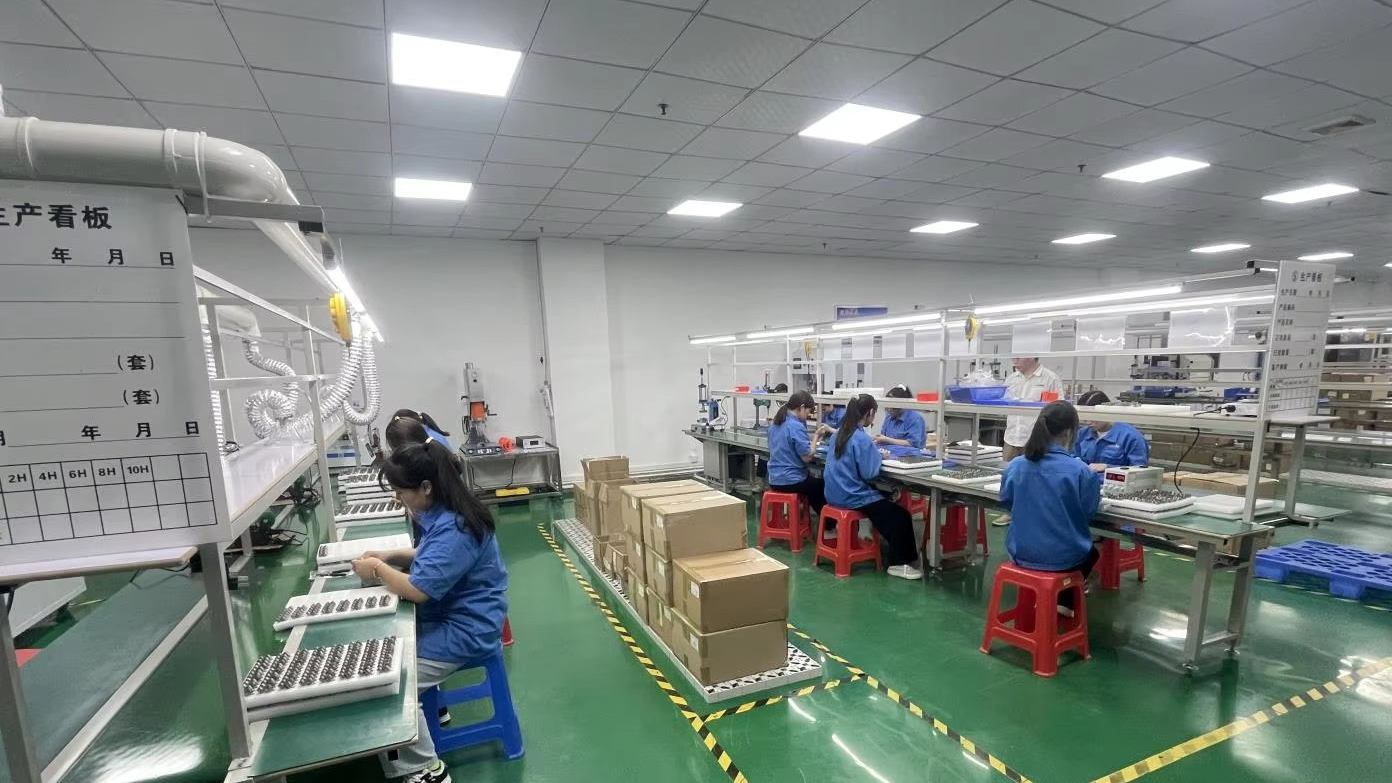
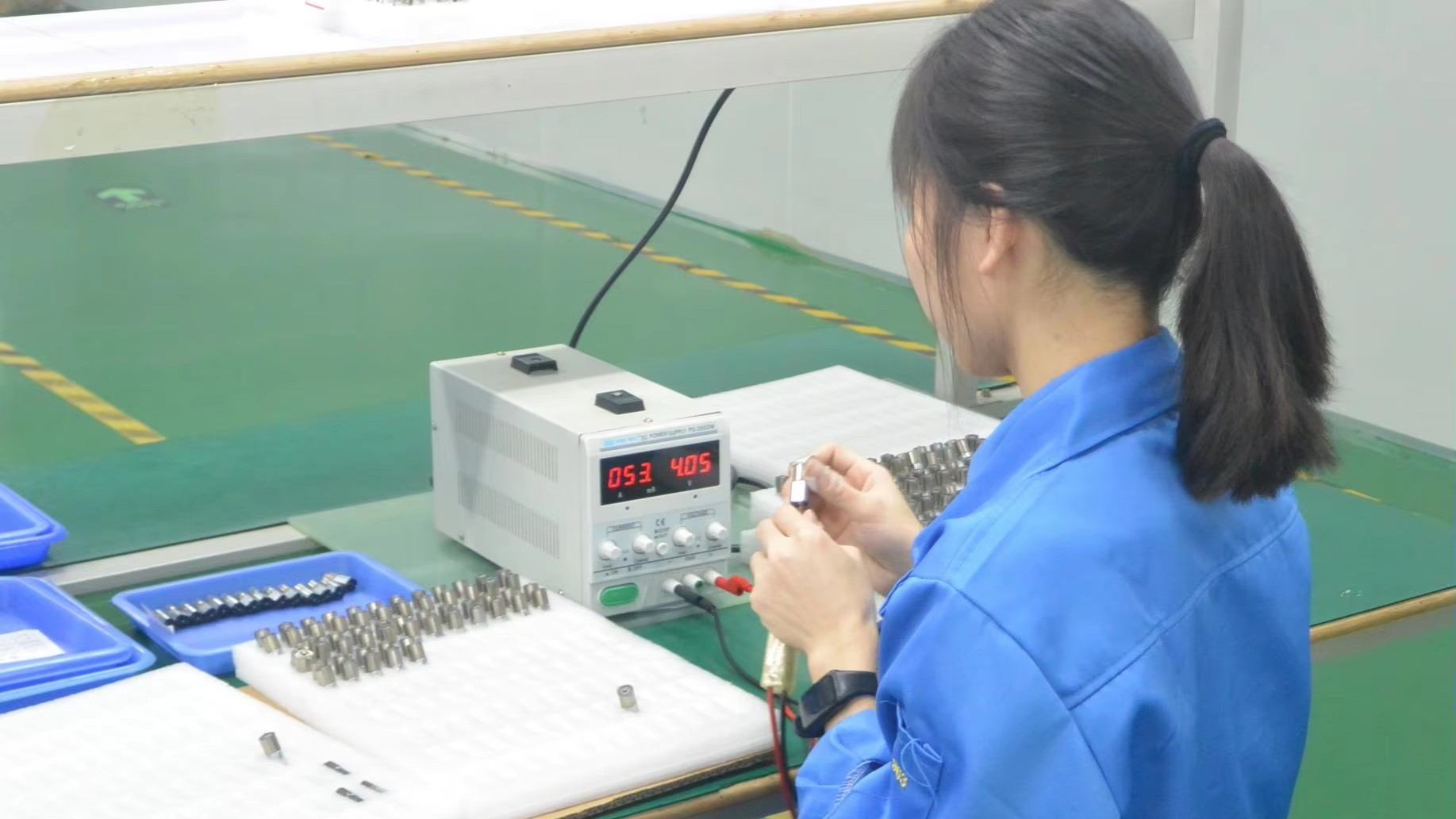
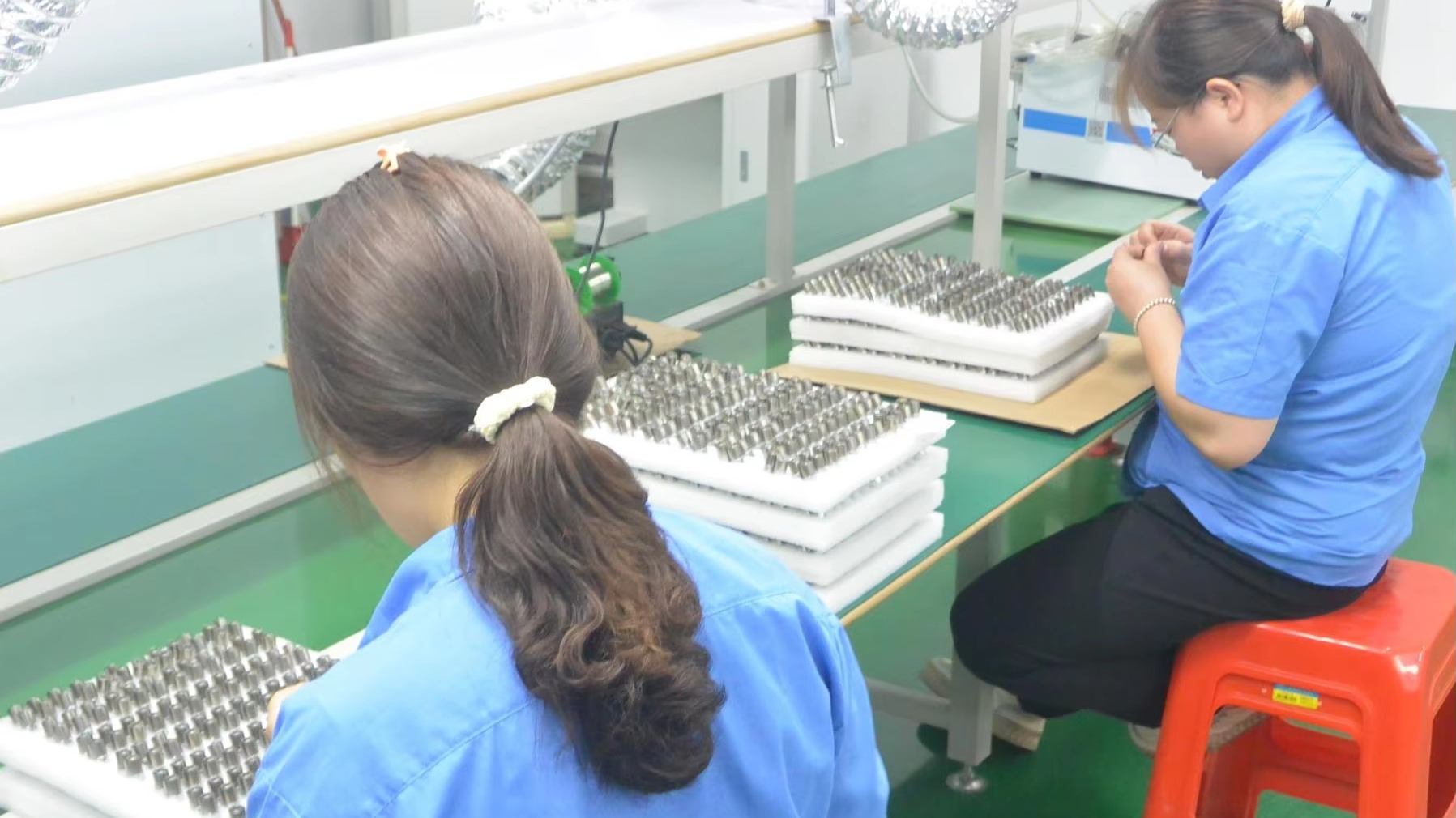
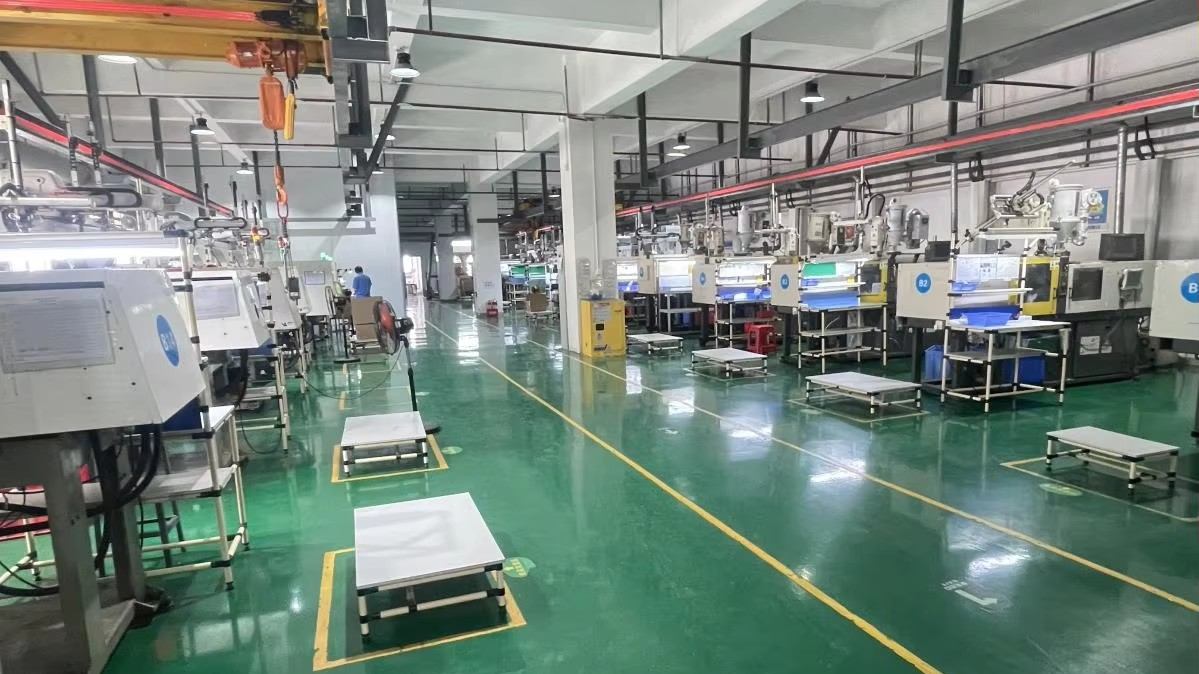
Kineto Motor operates a state-of-the-art facility designed for efficiency, precision, and sustainability. As a leading China exporter of micro DC and brushless motors, we combine twenty years of industrial heritage with a forward-thinking approach to lean automated manufacturing.
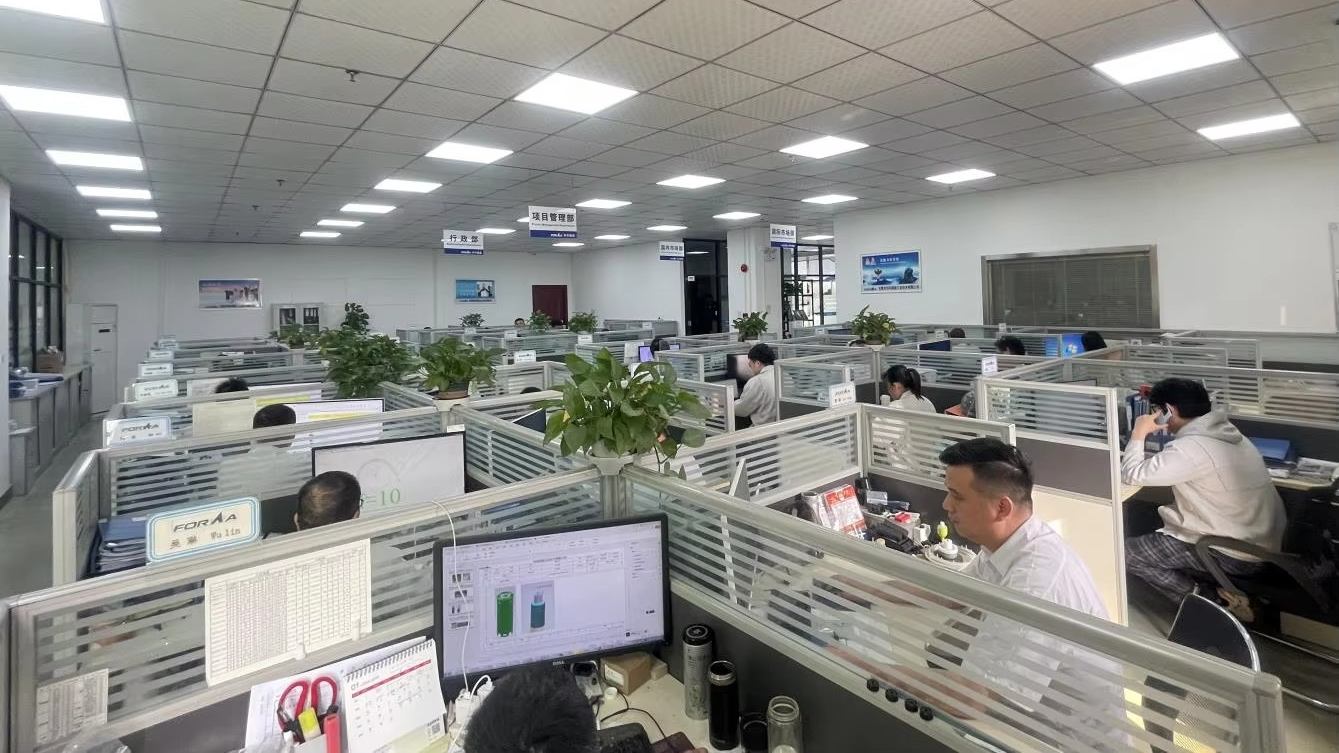
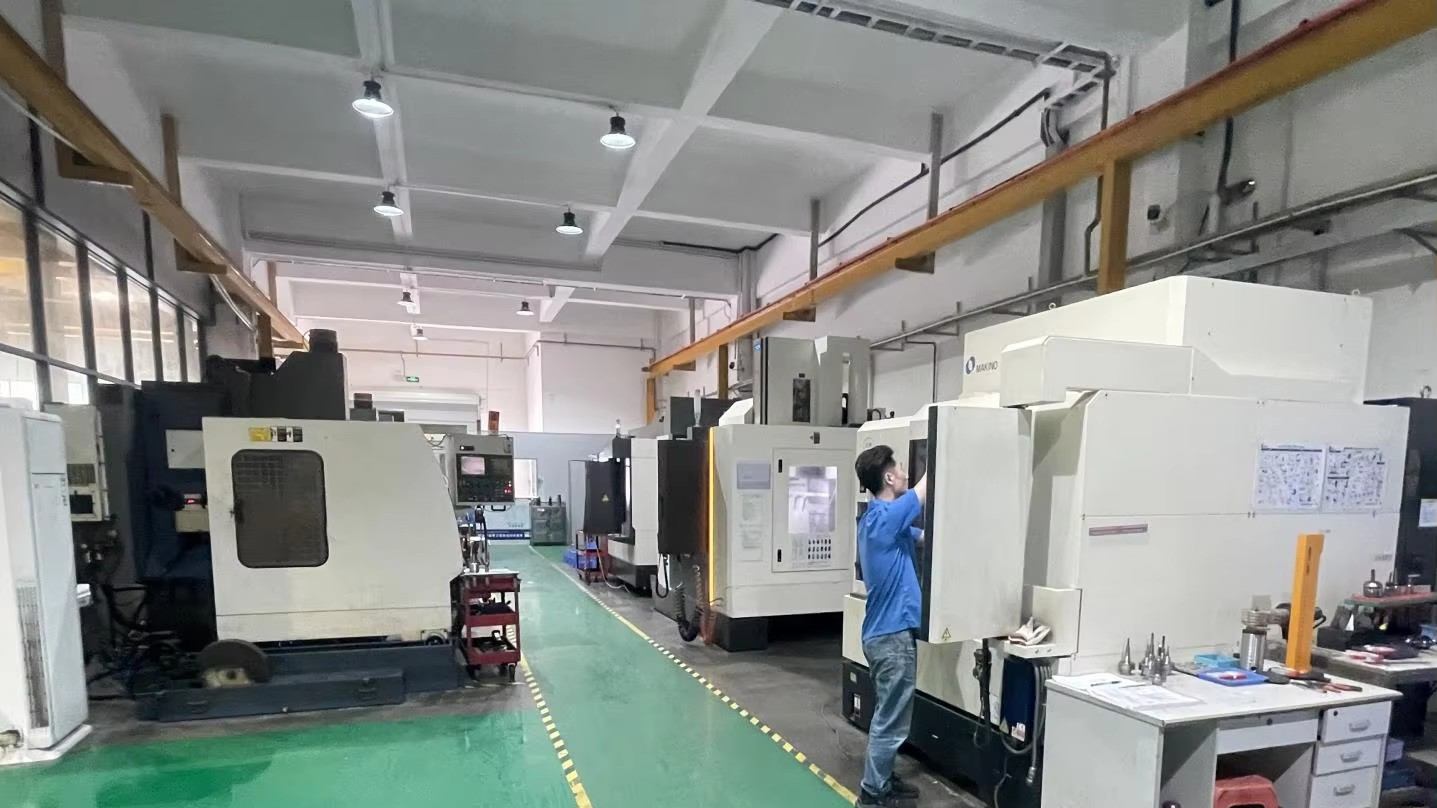
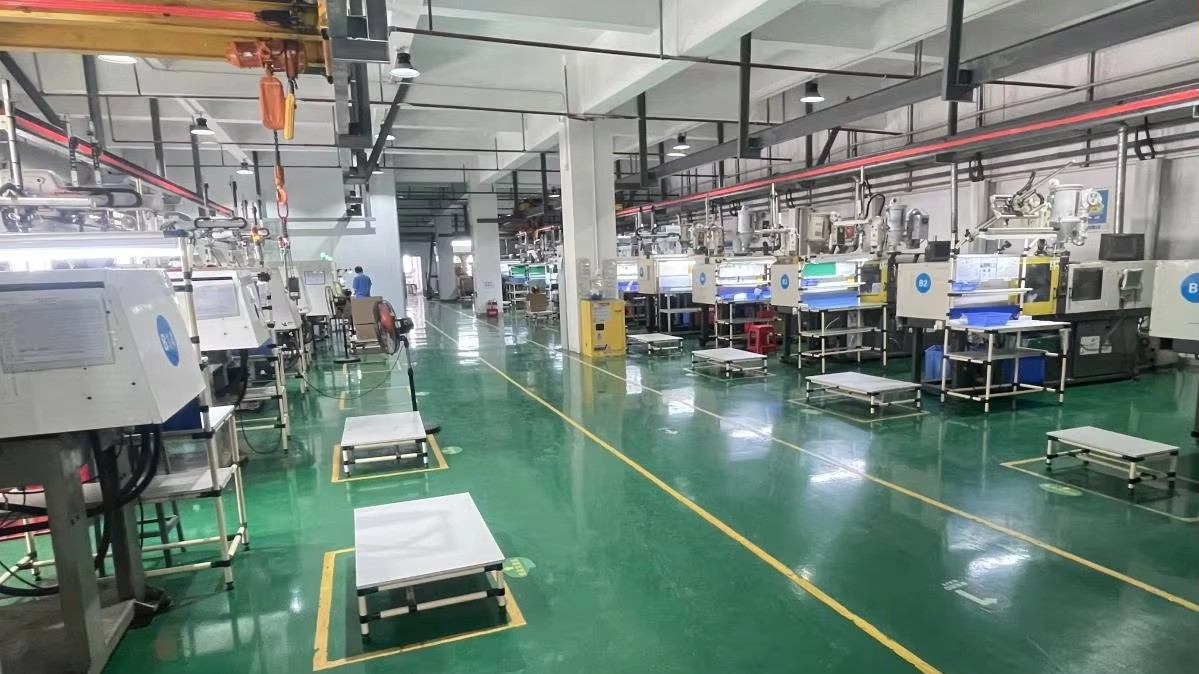
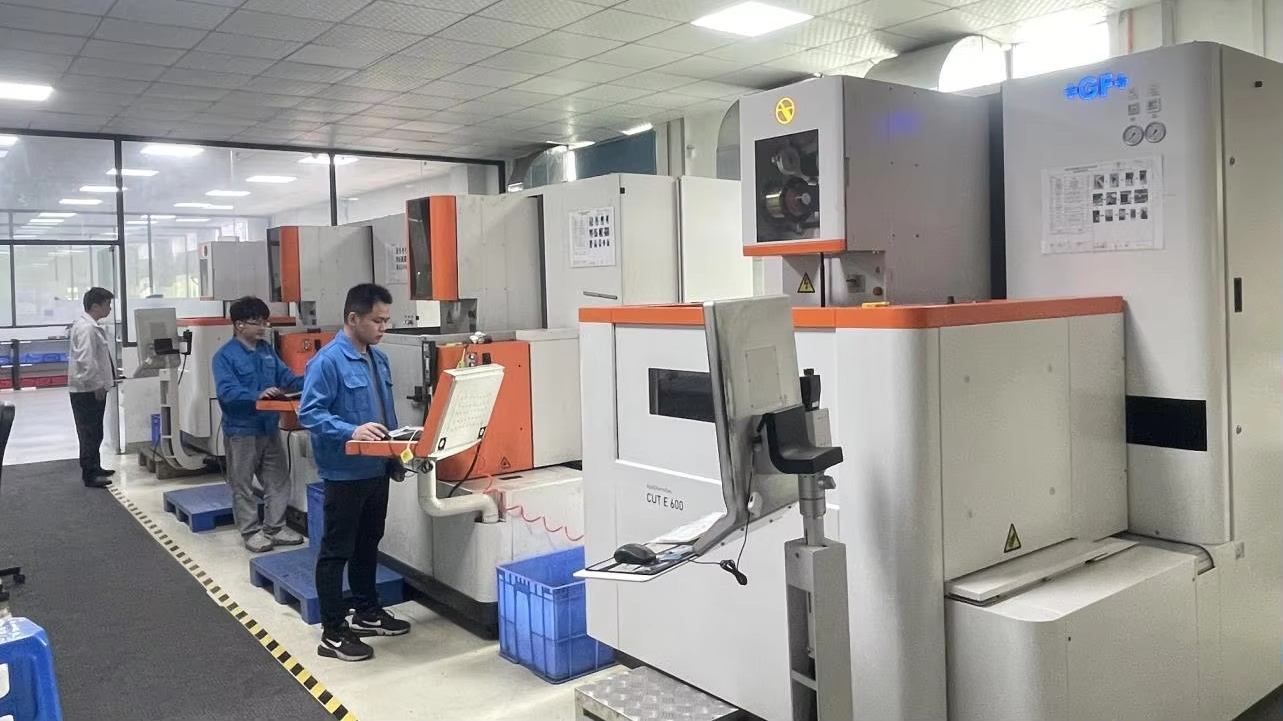
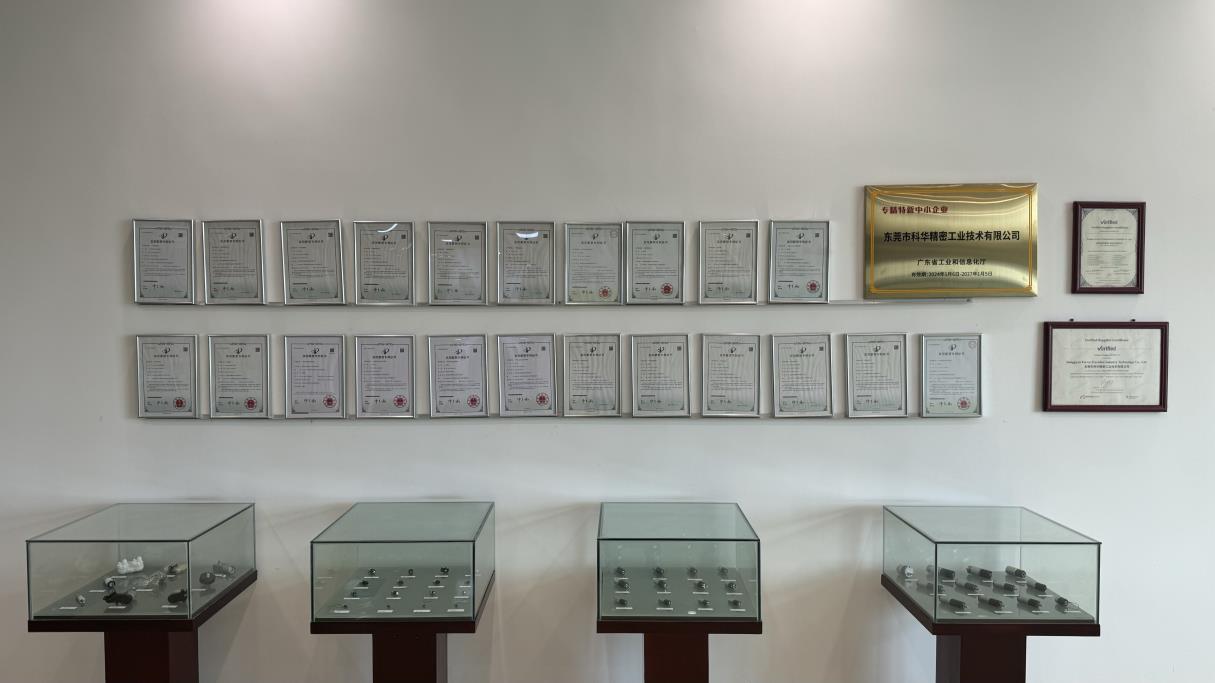
Quality and compliance are embedded in our DNA. Our entire production ecology conforms to rigorous international standards, including ISO9001, CE, RoHS, and REACH. By investing heavily in automated assembly lines and eco-friendly manufacturing processes, we ensure absolute consistency across high-volume production runs while minimizing our carbon footprint.
When you choose Kineto Motor, you are not just choosing a supplier; you are choosing a responsible, transparent global supply chain partner committed to powering your products with high-efficiency, energy-saving motion control solutions.
Advanced thermoplastic gears are transforming the performance matrix across multiple industry verticals. Through optimized gear tooth geometry and refined material chemistry, manufacturers are satisfying highly specialized market requirements:
In electric vehicles (EVs) and traditional automobiles, the noise, vibration, and harshness (NVH) specifications are highly demanding. Plastic planetary gear systems are widely integrated into electronic throttle bodies, seating controllers, tailgates, and windshield wipers. Under harsh under-hood temperatures (-40°C to 125°C), custom PPA or PA66-GF30 gears perform reliably without the risk of galling or premature failure.
Surgical instruments, diagnostic devices, and micro-fluidic pumps rely heavily on plastic spur and helical gears. Materials like POM-acetal or medical-grade PEEK are inherently corrosion-resistant and sterilization-compatible. Since lubrication cannot be introduced in sterile environments, self-lubricated polymer matrices with integrated PTFE or silicone additives ensure continuous operation without cross-contamination.
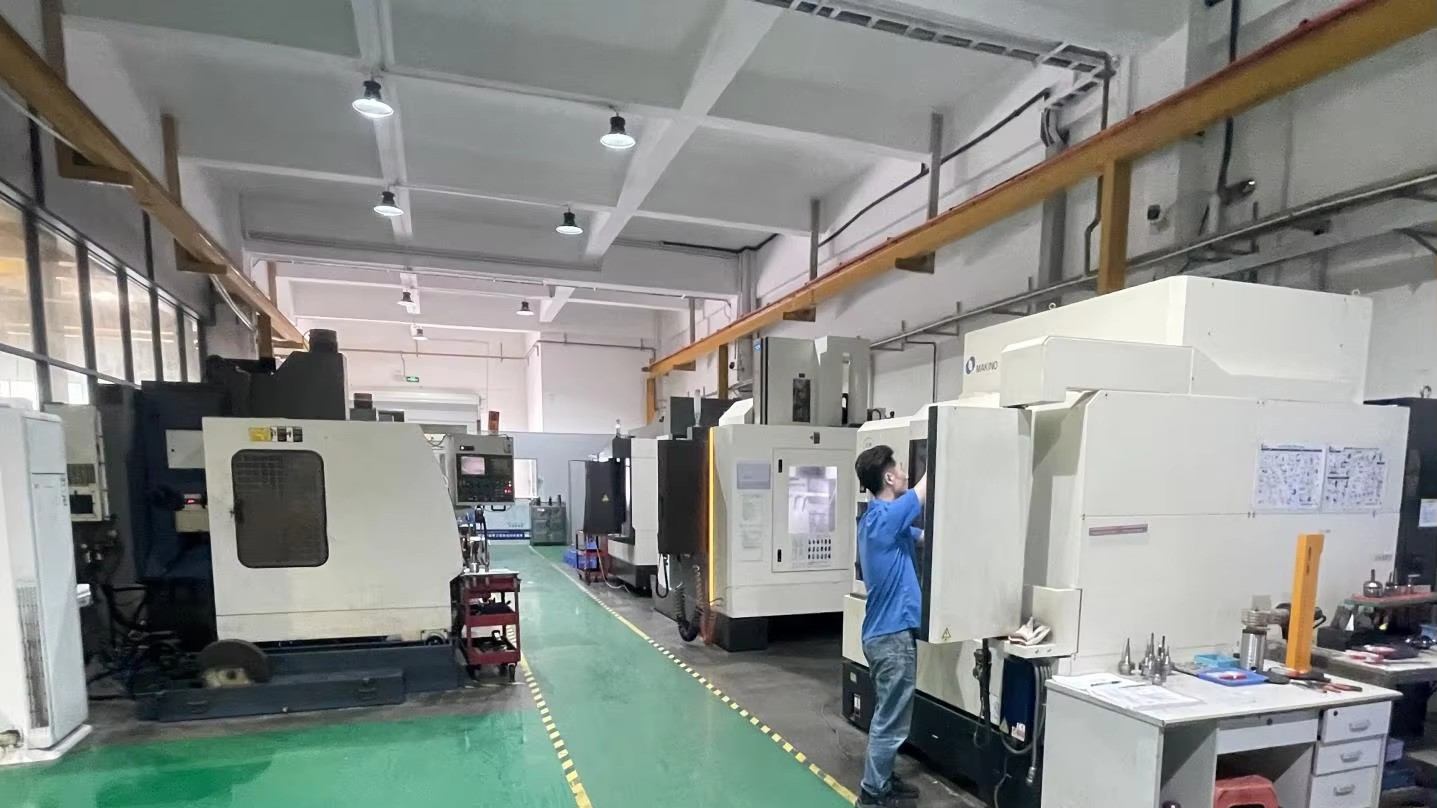
High-torque, low-noise, and low-backlash requirements are critical for miniature joints in robotics and micro-actuators in smart smart locks. Small-module plastic gearboxes (modulus < 0.5) allow for compact packaging. Leveraging CNC micro-milling alongside high-pressure injection molding ensures that small helical and planetary assemblies can handle unexpected torque spikes while remaining highly responsive.
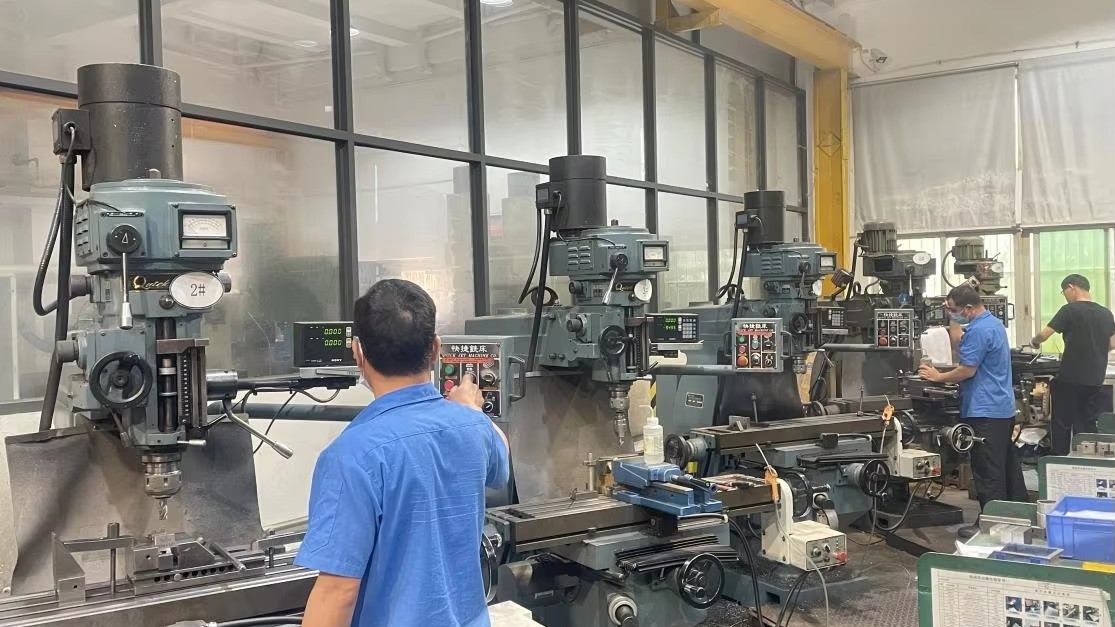
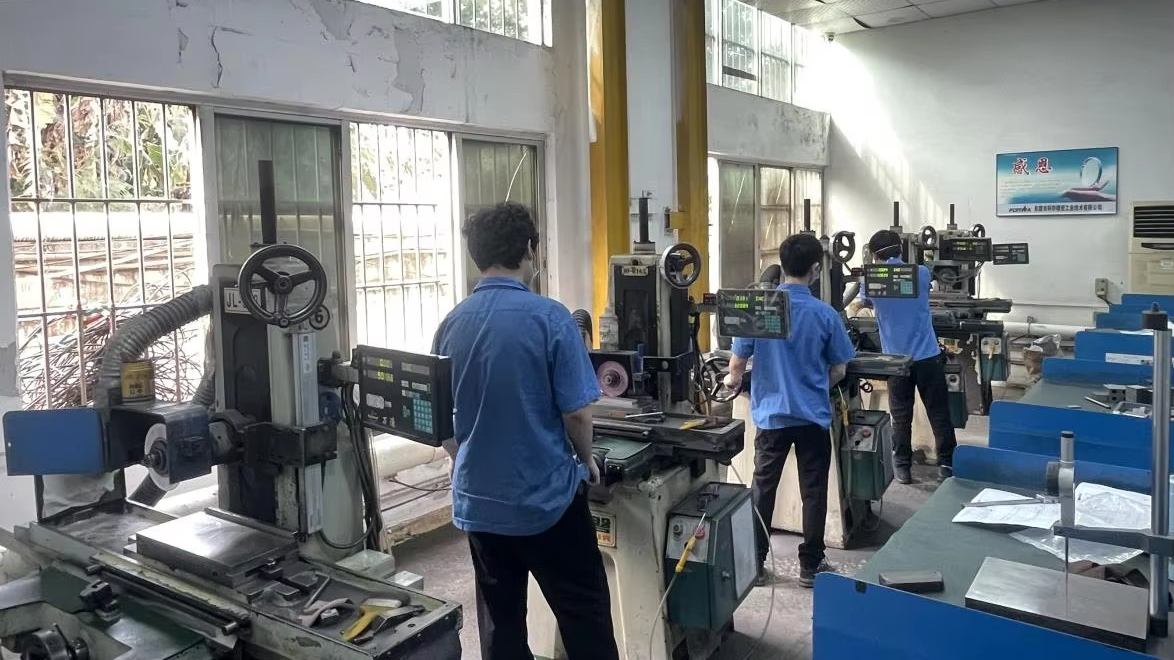
Explore our industrial equipment line-up, featuring slow wire cutters, high-precision EDMs, and CNC machining centers that guarantee the execution of top-tier molding tools.
Ensuring compliance with DIN, AGMA, and ISO quality guidelines using advanced optical, contact, and gear-meshing verification technologies.
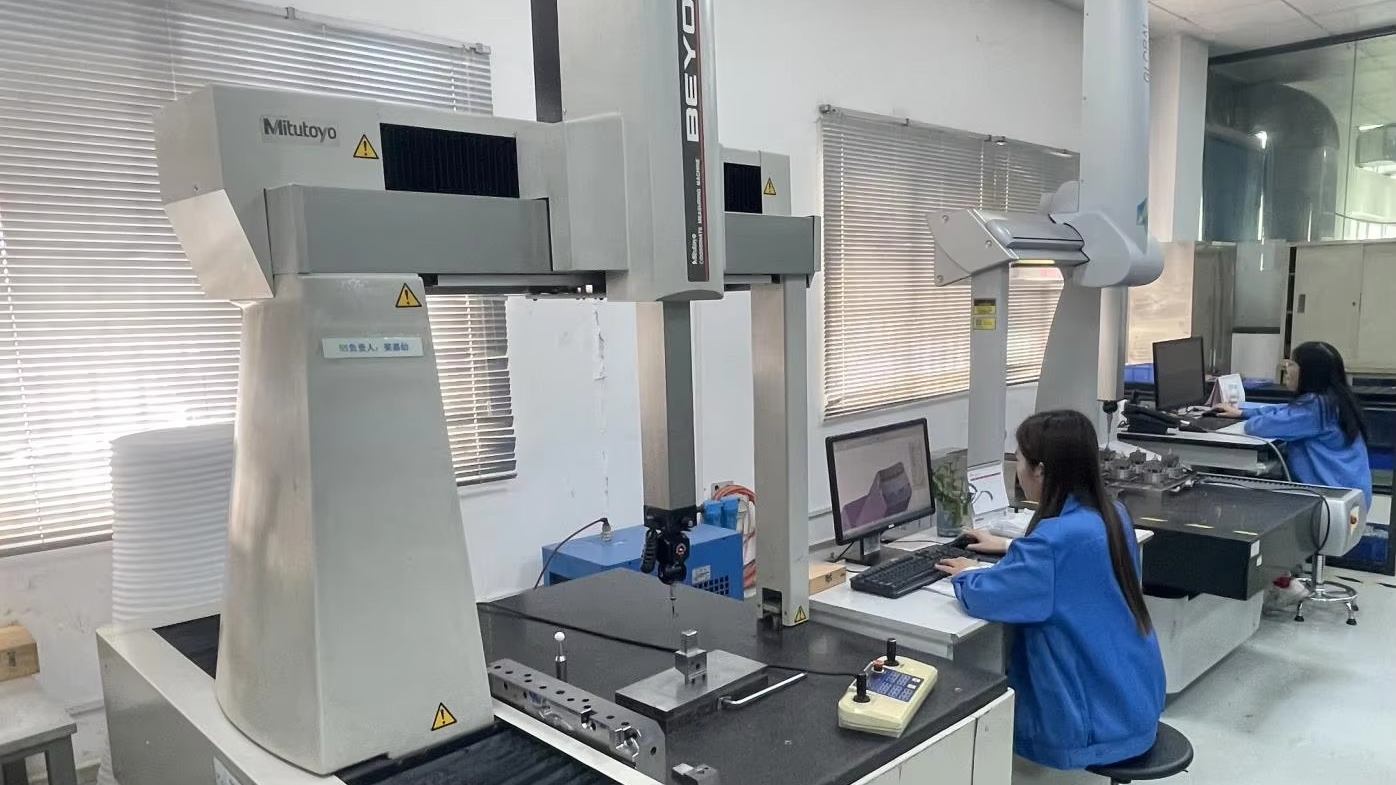
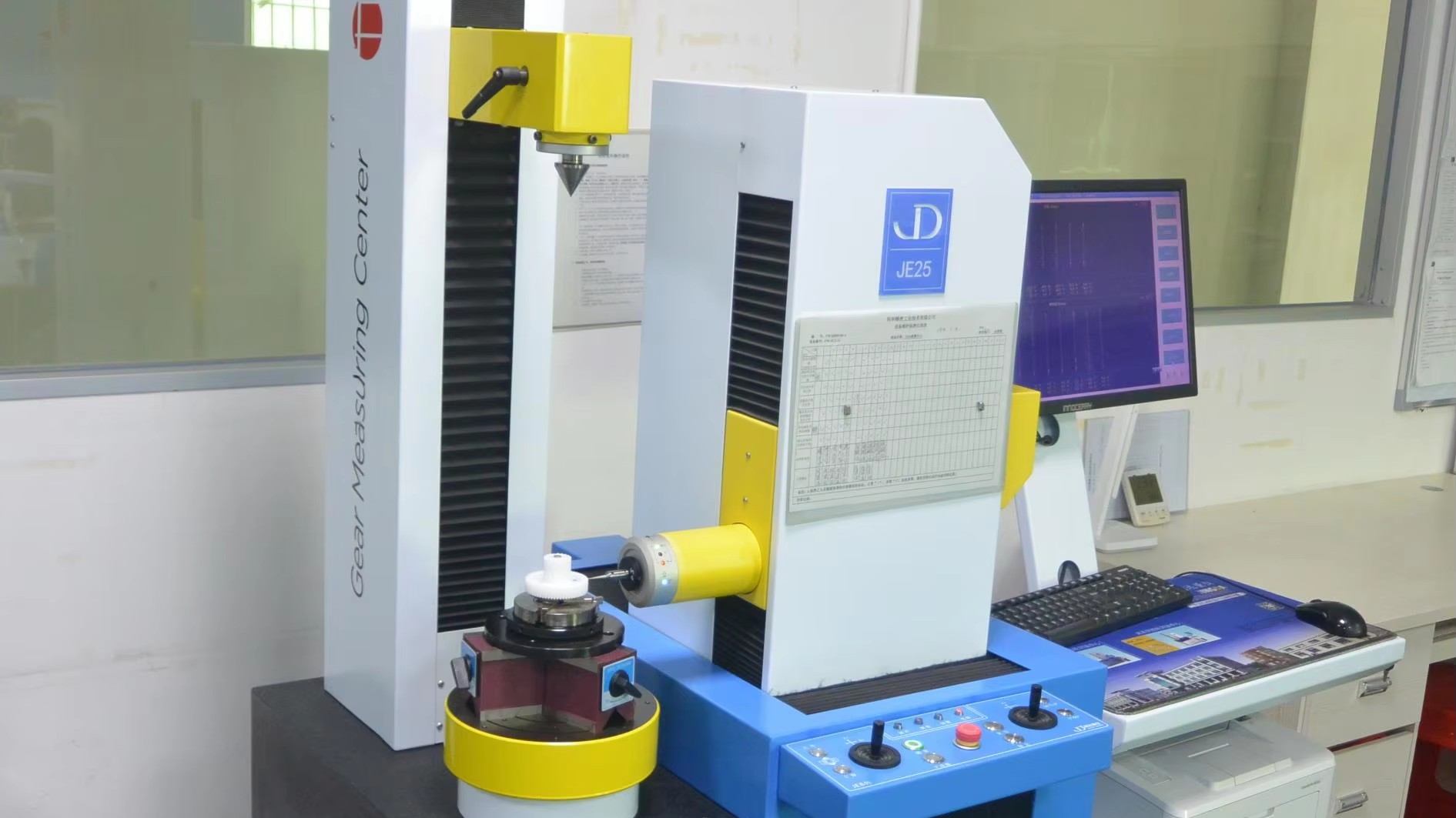
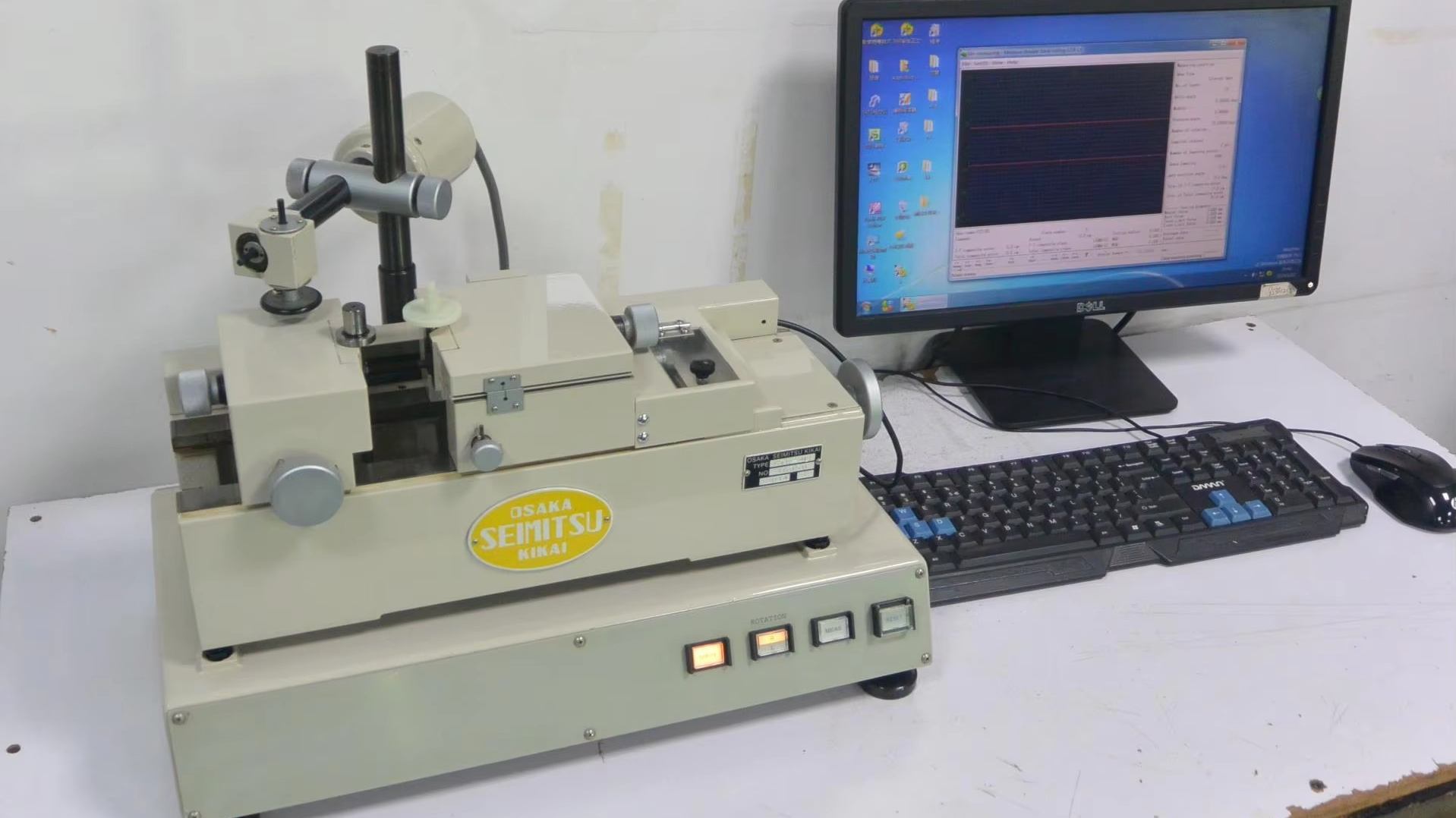
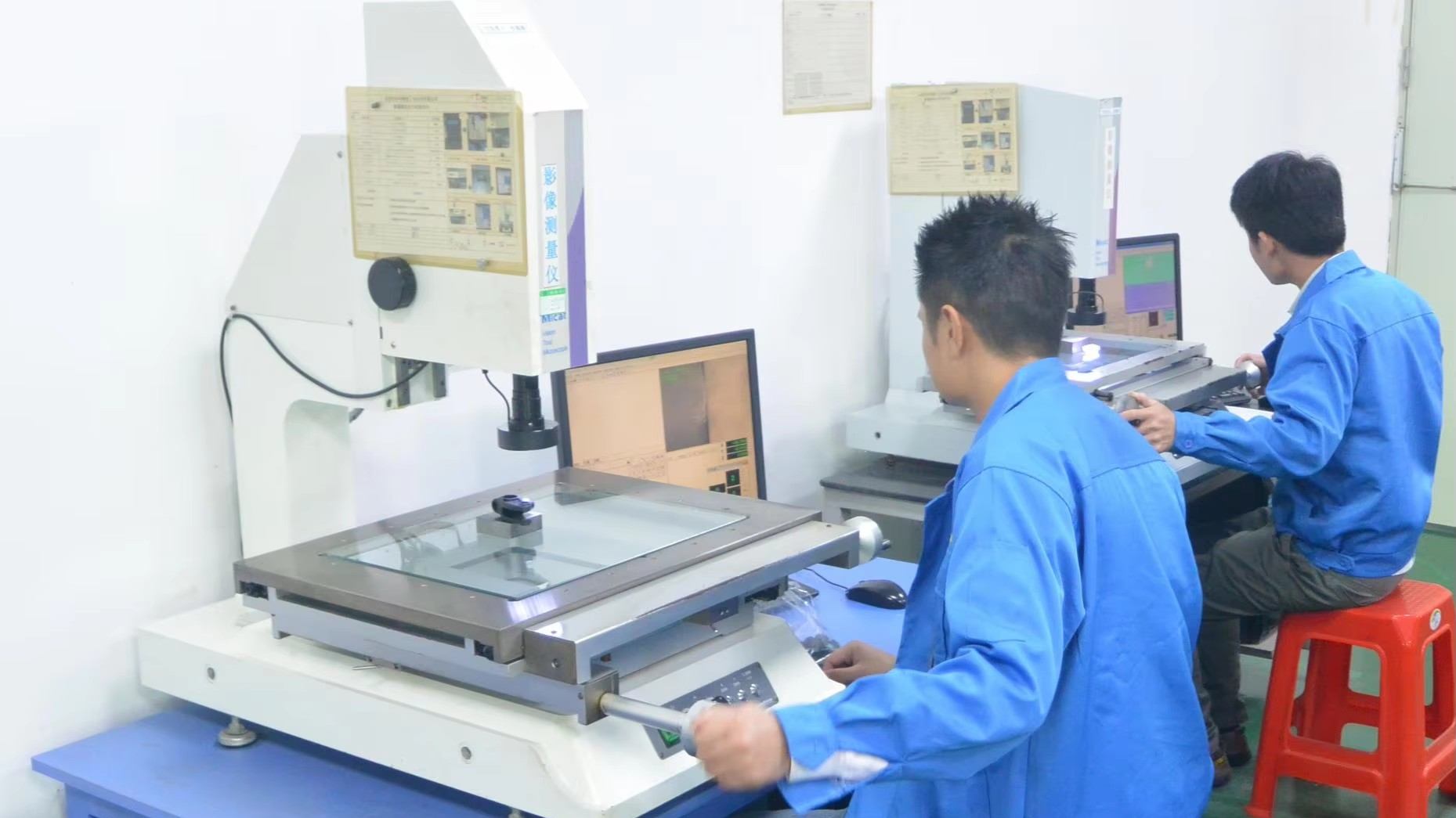
To secure a place among the top-tier of plastic gear factories, testing must extend beyond basic vernier calipers. Our facility deploys Coordinate Measuring Machines (CMM) to map multi-axis dimensional coordinates. Additionally, the JE25 Gear Measurement Center assesses complex tooth profile errors, lead variations, and pitch errors. Utilizing Gear Meshing Instruments simulates actual working stress scenarios, detecting microscopic burrs or shrinkage variation before our high-precision plastic gears leave the factory.
As micro-drive technology advances, the industry faces three key developments: the adoption of ultra-performance polymer nanocomposites, real-time cavity pressure process control, and generative design algorithm software.
Future high-stress environments require polymers modified with carbon nanotubes, graphene sheets, or liquid crystal polymers (LCP). These additives increase tensile modulus, improve heat deflection temperatures (HDT), and reduce thermal expansion rates. This bridges the remaining performance gap between light alloy metals and polymers.
Modern injection molding centers incorporate pressure and temperature sensors inside the mold cavity. Dynamic machine feedback systems track raw material viscosity changes in real time. The injection pressure and cooling cycle adjust automatically to keep gear tooth shrinkage within tolerances of less than 0.05%.
Traditional symmetric tooth profiles are often redesigned using proprietary algorithms. By designing asymmetric gear profiles, the drive-side flank of the tooth is optimized to withstand higher pressures, while the coast-side is optimized to reduce contact stress. This reduces high-frequency operational noise by up to 6dB in drive systems like smart cameras and medical actuators.
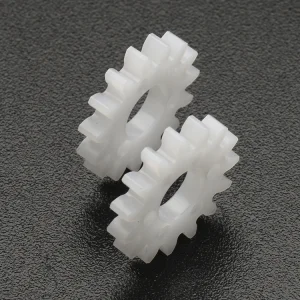
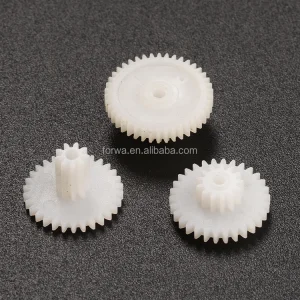
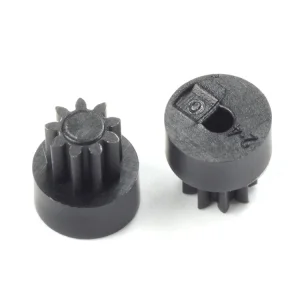
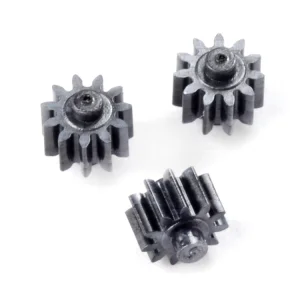
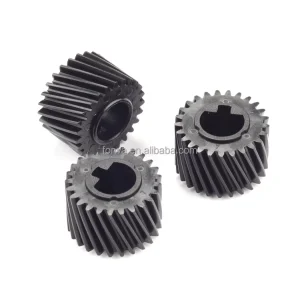
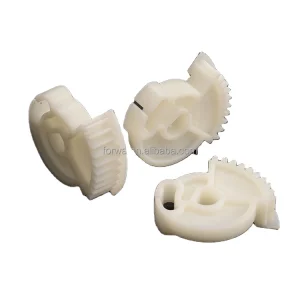
Choose from our selection of small module spur gears, helical gears, and customized injection-molded rack gears suitable for robotic and positioning applications.
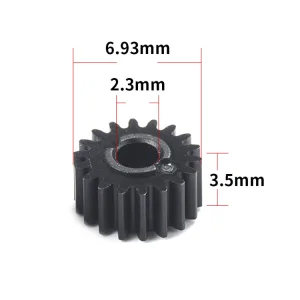
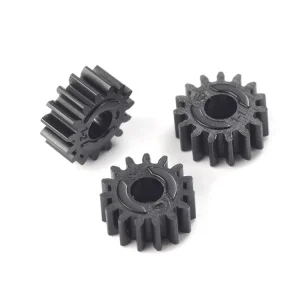
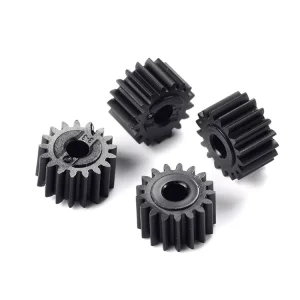
In today's complex international trading environment, minimizing supply chain vulnerabilities is essential. Leading manufacturers must focus on both engineering precision and regulatory alignment. Maintaining reliable operations requires strict compliance with international standards and proactive supply chain strategies:
Raw material batches must have verified material analysis certificates. Full compliance with RoHS directives and REACH regulations is necessary to ensure no restricted chemical agents or heavy metals are present. This is particularly critical for gears used in consumer electronics, smart home appliances, and medical diagnostic equipment.
To safeguard high-volume OEM lines from unforeseen issues, top-tier factories maintain duplicates of critical mold cavities. In the event of a tool repair or cavity block failure, duplicate tooling is deployed immediately. This keeps downstream assembly plants supplied without interruption.
Delivering parts requires smooth coordination between international shipping networks. By offering customs clearance support and DDP/CIF flexible shipping terms, professional manufacturers simplify transport logistics. This ensures parts arrive on schedule, whether shipping to warehousing hubs in Western Europe or automotive manufacturing clusters in North America.
Find answers to common questions about polymer selections, manufacturing tolerances, tooling development, and mechanical design limitations.
 Kineto Motor