The plastic mold industry plays a crucial role in modern manufacturing. According to a recent report by MarketsandMarkets, the global plastic injection molding market is projected to reach $350 billion by 2025. This growth reflects the increasing demand for plastic parts across various sectors, including automotive, electronics, and consumer goods.
Plastic molds are essential for producing high-quality and precise components efficiently. Expert John D. Miller, a consultant in the molding industry, emphasizes, "The quality of the mold directly influences the final product." This statement highlights the intricate relationship between mold design and the properties of molded parts.
Yet, challenges persist within the industry. Mold maintenance can be costly, and many manufacturers face issues related to material waste and long lead times. Understanding the intricacies of plastic molds is vital for improving efficiency. As the industry evolves, staying updated on best practices and innovations becomes imperative.
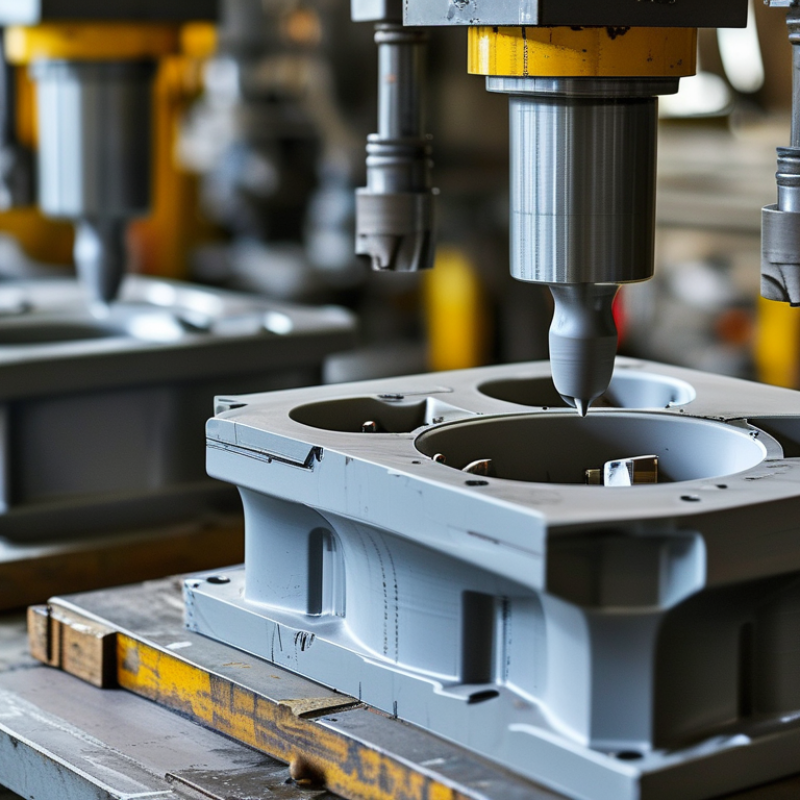
Plastic molding is a crucial process in manufacturing, involving the shaping of plastic materials. This method enables the production of complex shapes with high precision. By utilizing heat and pressure, it forms the plastic into specific designs. The resulting products can range from everyday items to intricate components used in various industries.
Understanding plastic mold is essential for manufacturers. It not only boosts efficiency but also enhances product quality. The mold can be reused multiple times, making it cost-effective. However, the design process for molds requires careful consideration. A flaw in the mold can lead to defects in production. Each stage must be meticulously planned to avoid mistakes that could jeopardize the entire batch.
Moreover, the importance of plastic molding extends to sustainability efforts. Many manufacturers are exploring recycled plastics, but the molding process must adapt to these materials. This presents challenges in achieving consistent quality. Companies must remain adaptable and willing to innovate for better outcomes. Continuous reflection on techniques will help streamline processes and improve end products.
| Dimension | Value | Description |
|---|---|---|
| Material Type | ABS | Acrylonitrile Butadiene Styrene, commonly used for durable plastic parts. |
| Mold Production Time | 4-6 weeks | Typical time frame for creating a custom plastic mold. |
| Injection Pressure | 10,000 - 30,000 psi | Pressure range used to inject plastic into the mold. |
| Cycle Time | 15-60 seconds | Time taken for a single injection molding cycle. |
| Mold Life | 1,000,000 cycles | Estimated number of cycles a mold can produce before wear. |
| Typical Applications | Consumer Goods, Automotive Parts, Medical Devices | Industries that heavily utilize plastic molding technology. |
Plastic molding is an essential manufacturing technique used across various industries. Different molding processes yield distinct benefits and applications. Injection molding is one of the most widely utilized methods, accounting for approximately 30% of all plastic production. This process excels in producing complex shapes with high precision, making it ideal for items like automotive components and consumer goods. According to recent industry reports, injection molding can achieve cycle times that range from 15 seconds to several minutes, significantly affecting production efficiency.
Blow molding is another significant plastic molding process, often used for creating hollow structures like bottles. Studies indicate that the global blow molding market is expected to grow at a compound annual growth rate (CAGR) of 5.2% from 2022 to 2028. This growth is driven by rising demand for lightweight packaging solutions in food and beverage industries. However, this process has limitations. It requires specific designs to avoid defects and ensure durability.
Thermoforming, a technique for shaping plastic sheets, is gaining traction for its cost-effectiveness. Yet, it may not always provide the same level of detail as injection molding. Reports suggest that the thermoforming market is projected to grow as manufacturers seek more versatile solutions. Each method has unique benefits, challenges, and applications. Understanding these nuances is crucial for optimizing manufacturing processes in today's competitive landscape.
Plastic molds are intricate structures used in manufacturing plastic products. Understanding their components helps in grasping how they function. A typical plastic mold consists of several key elements: the cavity, core, ejection system, and cooling system.
The cavity and core work together to shape the final product. The cavity forms the outer shape, while the core adds inner details. The interaction between these two components is crucial. A misalignment can lead to defects. It's essential to maintain precision in their design and installation.
The ejection system removes the finished product from the mold. It often uses ejector pins or plates to push the item out. Poor design can cause product damage or incomplete ejection. Ensure proper functionality by regularly inspecting this system.
Cooling systems regulate the temperature during the molding process. They help solidify the plastic quickly. Ineffective cooling may result in uneven surfaces or warping. Continuous monitoring is necessary to guarantee optimal performance.
Tips: Regular maintenance of molds can prevent costly errors. Tracking the mold's temperature and pressure levels aids in effective management. Also, be mindful of how wear and tear affect the mold's integrity over time.
The plastic molding process is fascinating and intricate. It involves several precise steps to create various products. Understanding how this process works is crucial for anyone interested in manufacturing or design.
Initially, raw plastic materials are heated until they reach a molten state. This melted plastic is then injected into a mold. The mold shapes the plastic into the desired form. Upon cooling, the plastic solidifies, taking the mold's shape. This step requires careful temperature control. Too hot, and the plastic may deform. Too cold, and it might not fill the mold completely.
Once cooled, the mold opens to release the newly formed product. Quality checks follow to ensure that the product meets specifications. Mistakes can happen during this stage. Some products may have inconsistencies or flaws. This highlights the importance of continuous monitoring throughout the process. Error detection helps improve the overall quality in future batches. Understanding these steps can greatly enhance the efficiency and reliability of plastic production.
This bar chart illustrates the various steps involved in the plastic molding process along with the time invested in each phase. The stages include design, prototyping, mold making, injection molding, and finishing.
The design of plastic molds is critical in manufacturing processes. Several factors influence mold design, such as the type of plastic used and the product's intended application. The melt flow rate of the plastic affects how easily it fills the mold. A lower melt flow rate might cause issues with filling, while a higher rate can lead to defects.
Another key aspect is mold temperature. The temperature must be managed to ensure optimal cooling and solidification. If the mold cools too slowly, it can cause warping. Conversely, rapid cooling may lead to surface defects. Designers must consider these variables to balance efficiency and quality.
Additionally, the complexity of the mold geometry impacts production efficiency. Intricate shapes require more advanced engineering and can slow down the manufacturing process. Simpler designs may accelerate production but could compromise product functionality. Each project presents unique challenges, necessitating thoughtful reflection on the trade-offs involved.
: The main components include the cavity, core, ejection system, and cooling system.
The cavity shapes the outer part, while the core details the inside. They must align perfectly.
It removes the finished product. Poor design can lead to damages or incomplete ejection.
It regulates temperature during molding. Effective cooling helps solidify plastic without defects.
It may cause uneven surfaces or warping. Proper monitoring is essential for optimal results.
Regular inspection and temperature tracking can prevent costly errors. Wear affects mold integrity.
Raw plastic is melted, injected into a mold, and then cooled to solidify into shape.
Inconsistencies or flaws may occur. Continuous monitoring is key to improving future batches.
If too hot, plastics may deform. If too cold, they might not fill the mold completely.
Detection of errors helps enhance efficiency and reliability in production. Continuous checks are beneficial.
Plastic molds are essential tools used in manufacturing to create various plastic products. They play a critical role in ensuring precision and efficiency during the production process. The article outlines different types of plastic molding processes, such as injection molding and blow molding, each suited for specific applications. Additionally, it discusses the key components of a plastic mold and their functions, as well as providing a step-by-step overview of the plastic molding process.
Factors that influence the design and production efficiency of plastic molds are also examined, highlighting the complexities involved in mold design, material selection, and manufacturing techniques. Understanding these elements is crucial for optimizing plastic mold performance and achieving high-quality production outcomes.

Kineto Motor