Factory-Direct Custom Engineered Gear Solutions
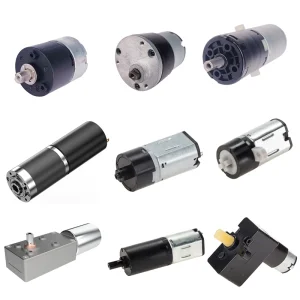
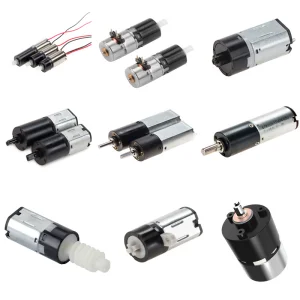
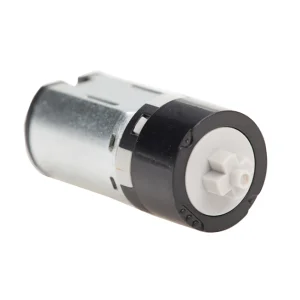
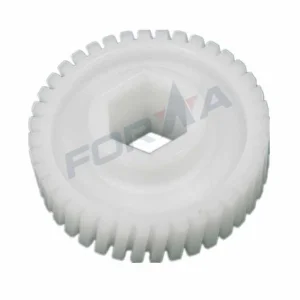
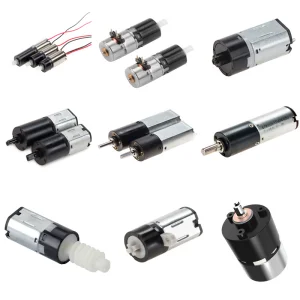
In the modern landscape of high-performance transmission and motion control systems, timing belt gears and micro-gearboxes have graduated from simple load-bearing structural elements to complex precision mechanisms. Industrial automation, the rise of smart medical devices, consumer robotics, and high-efficiency automotive electronic auxiliary systems have placed unprecedented demands on timing belt components. Across North American, European, and East Asian production bases, international procurement teams are actively looking for custom timing gears that provide optimal dimensional stability, self-lubricating properties, and micro-module accuracy.
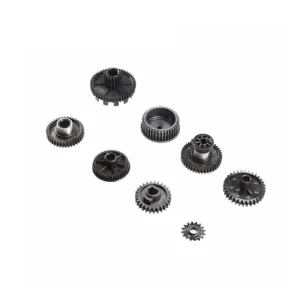
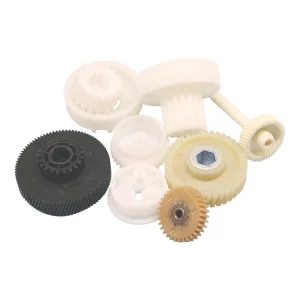
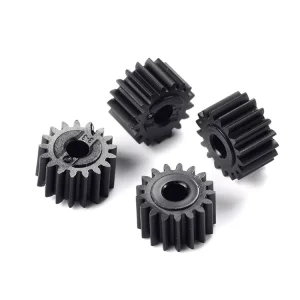
A key trend in the industry is the substitution of traditional heavy metal gear systems with advanced engineered thermoplastics like Nylon (PA66), POM (Polyoxymethylene), and PEEK (Polyetheretherketone). These polymers offer considerable weight savings, excellent dry-running capabilities, and remarkable noise attenuation. While metal gears (e.g., steel, aluminum, brass) remain standard in high-torque industrial applications, high-performance plastics are now standard in smart home locks, medical dosing pumps, and automated consumer products. High-precision injection molding ensures these micro plastic gears hold tolerances down to the sub-micron level, providing quiet operation, minimal backlash, and extended maintenance-free lifetimes.
When selecting a Chinese manufacturer for timing belt pulleys, helical gear assemblies, or micro-planetary motor configurations, global buyers look beyond basic unit cost. True cost optimization involves assessing the factory's toolmaking precision, inspection center capabilities, and environmental compliance frameworks. The global sourcing paradigm hinges on several key requirements:
Geometrical Accuracy & Tooth Profile Integrity: Standard involute and cycloidal profiles must conform to AGMA/DIN standards to minimize wear on timing belts and matching pinions.
Material Integrity: Utilizing virgin resins (PA66, POM, PEEK, ABS) without compromised regrind to prevent premature mechanical fatigue under continuous duty cycles.
Testing and Metrology: Comprehensive tooling verification using high-precision coordinate measuring machines (CMM) and gear meshing testers to guarantee consistency across high-volume production runs.
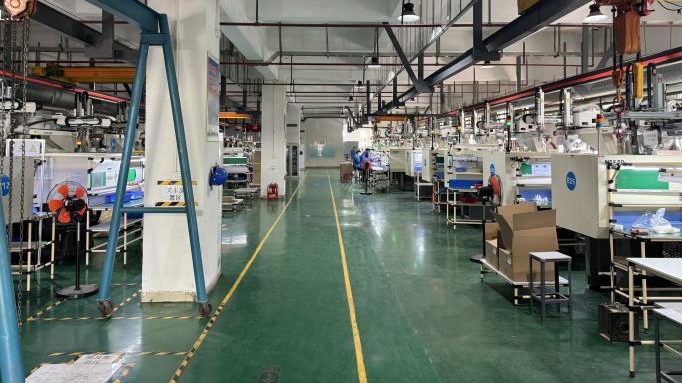
Welcome to the future of micro-drive manufacturing. Kineto Motor operates a state-of-the-art facility designed for efficiency, precision, and sustainability. As a leading China exporter of micro DC and brushless motors, we combine twenty years of industrial heritage with a forward-thinking approach to lean automated manufacturing.
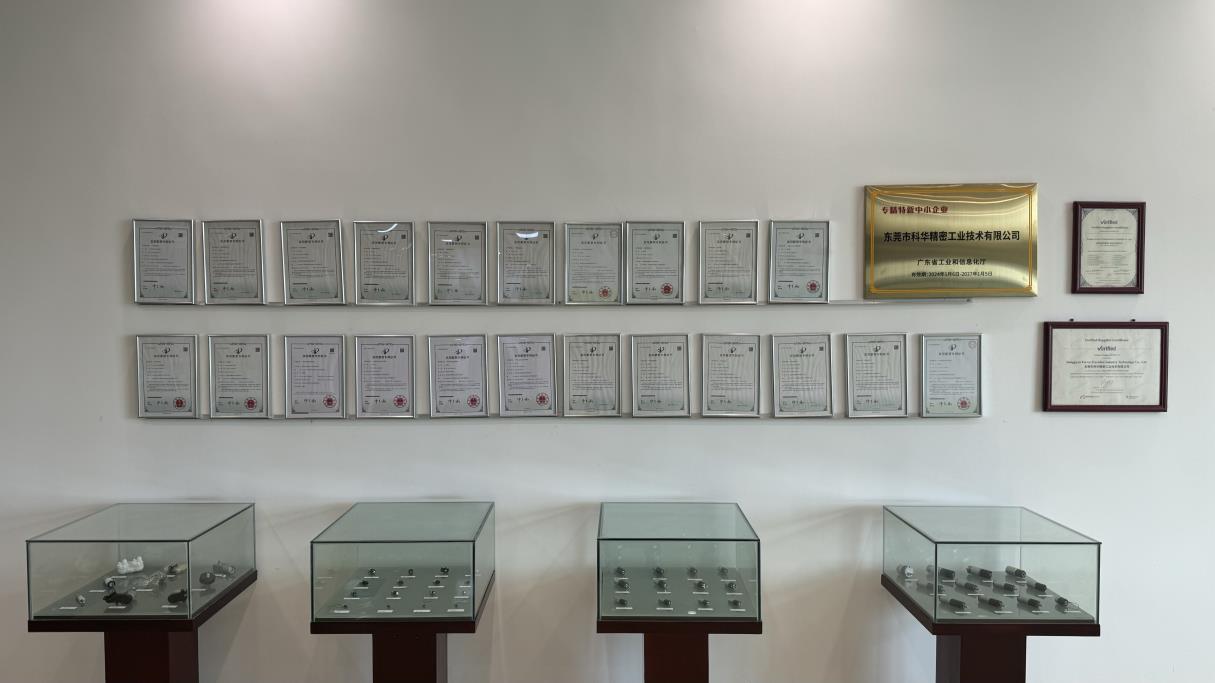
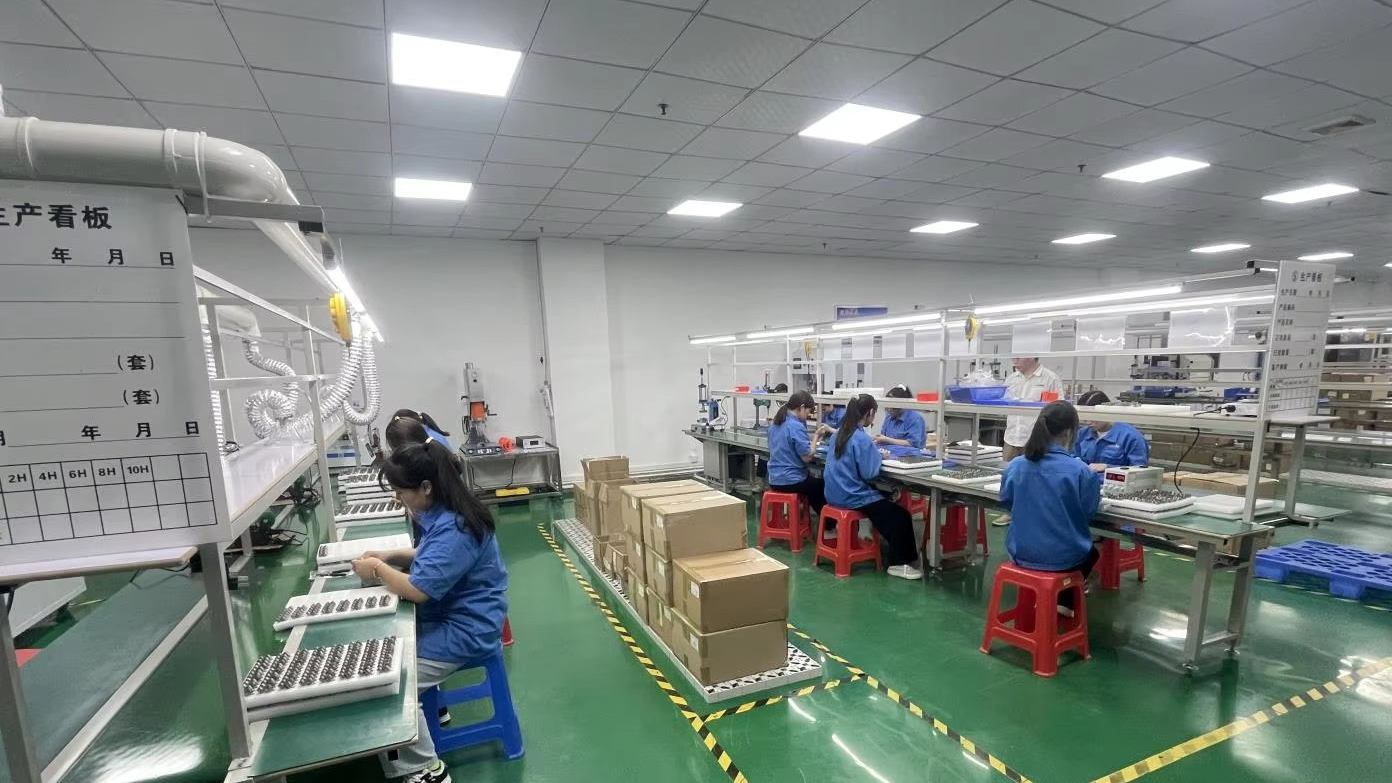
Quality and compliance are embedded in our DNA. Our entire production ecology conforms to rigorous international standards, including ISO9001, CE, RoHS, and REACH. By investing heavily in automated assembly lines and eco-friendly manufacturing processes, we ensure absolute consistency across high-volume production runs while minimizing our carbon footprint.
When you choose Kineto Motor, you are not just choosing a supplier; you are choosing a responsible, transparent global supply chain partner committed to powering your products with high-efficiency, energy-saving motion control solutions.
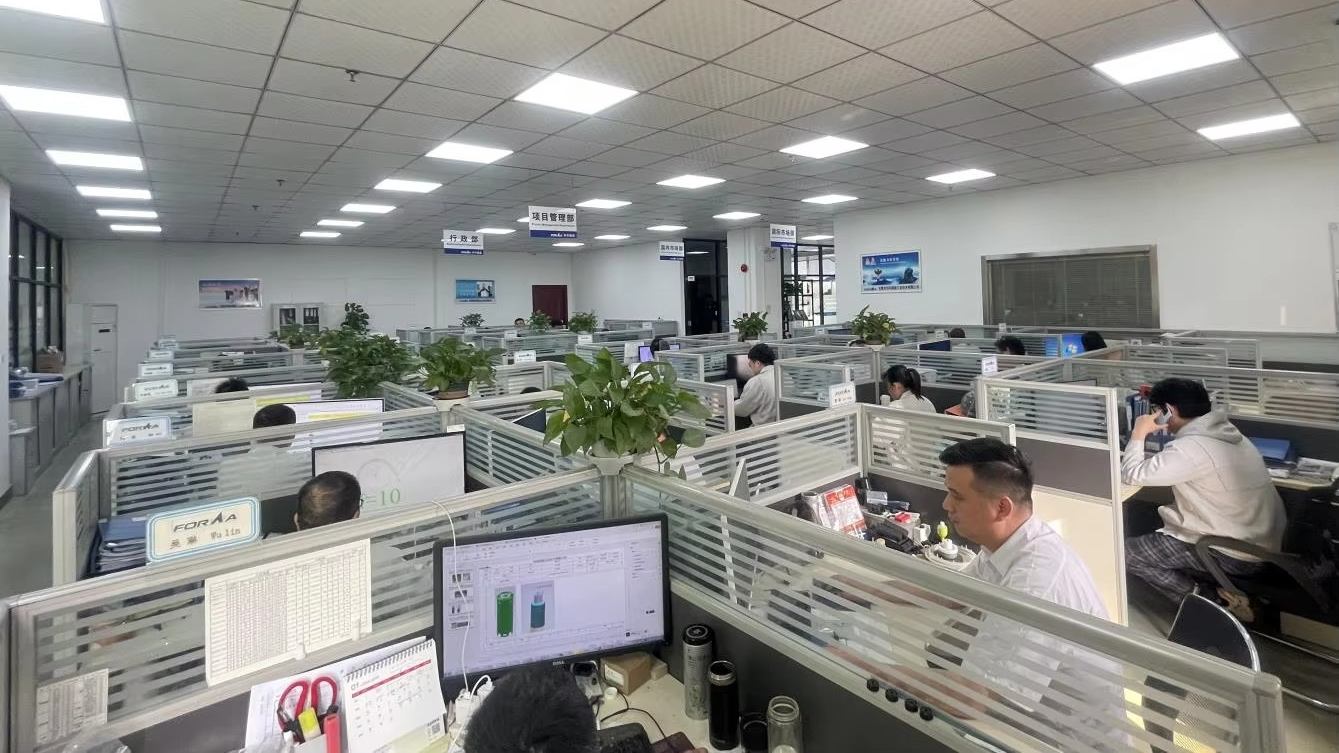
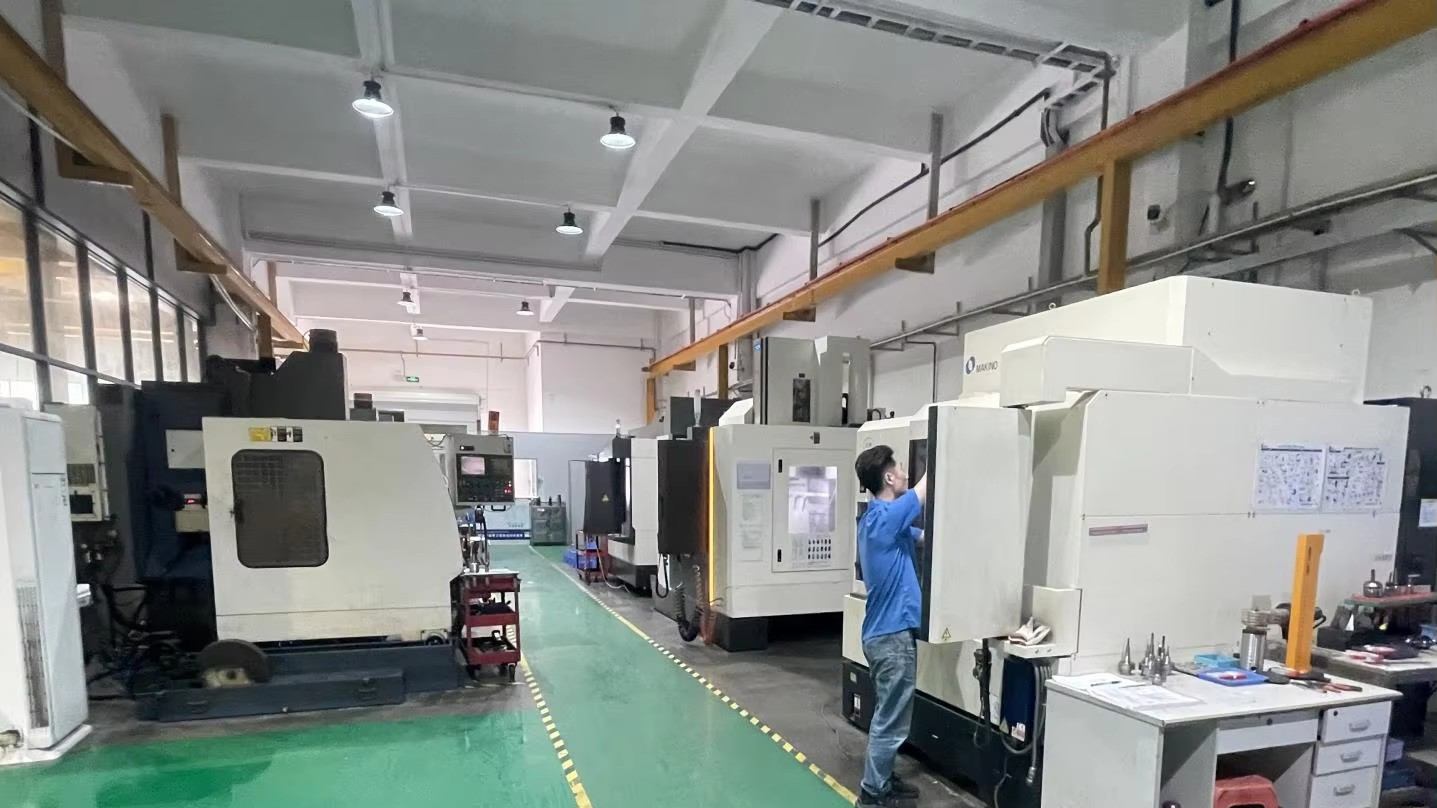
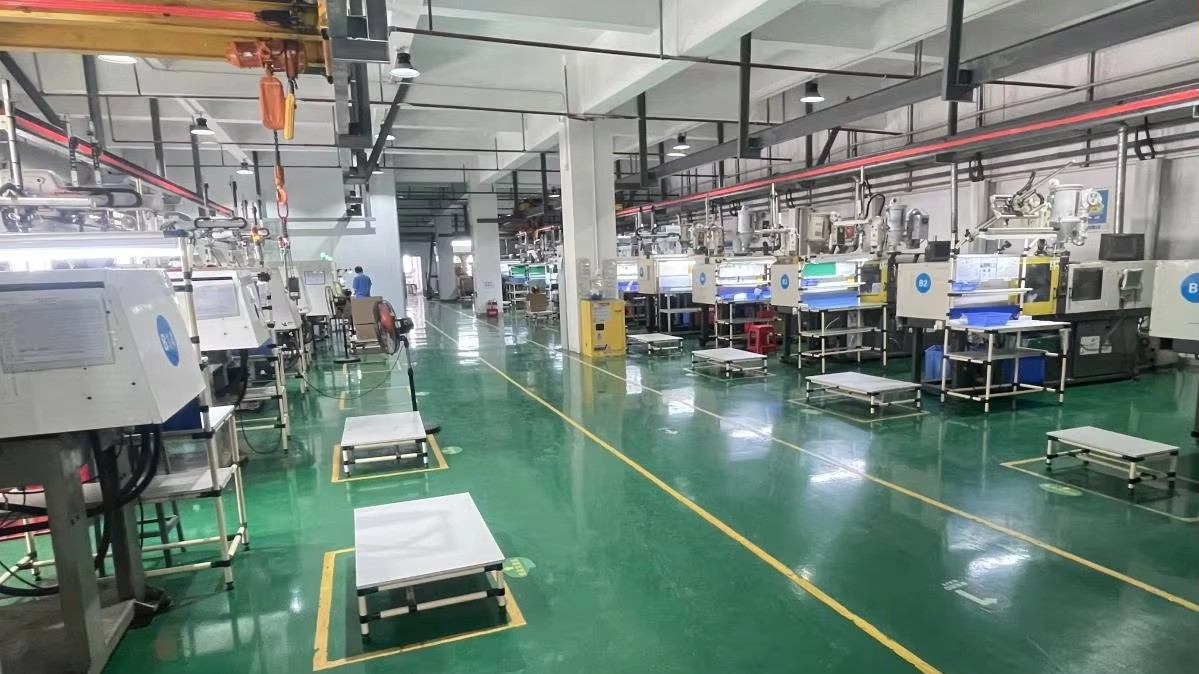
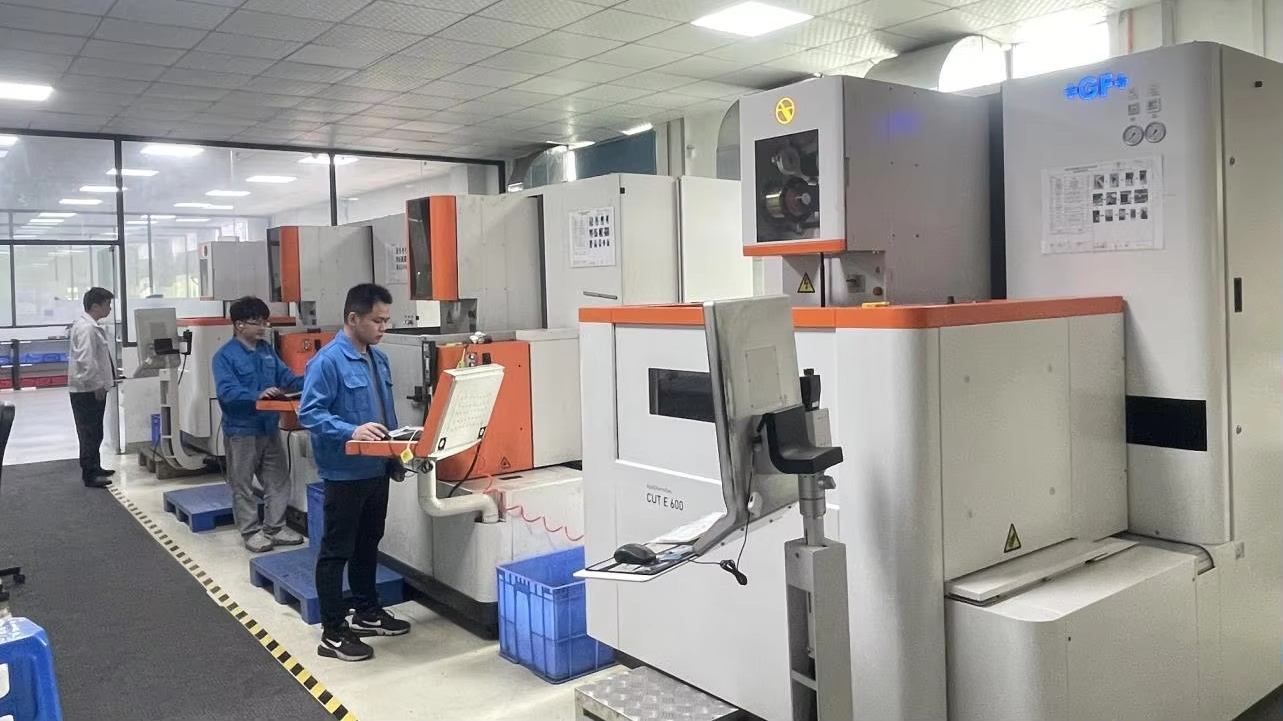
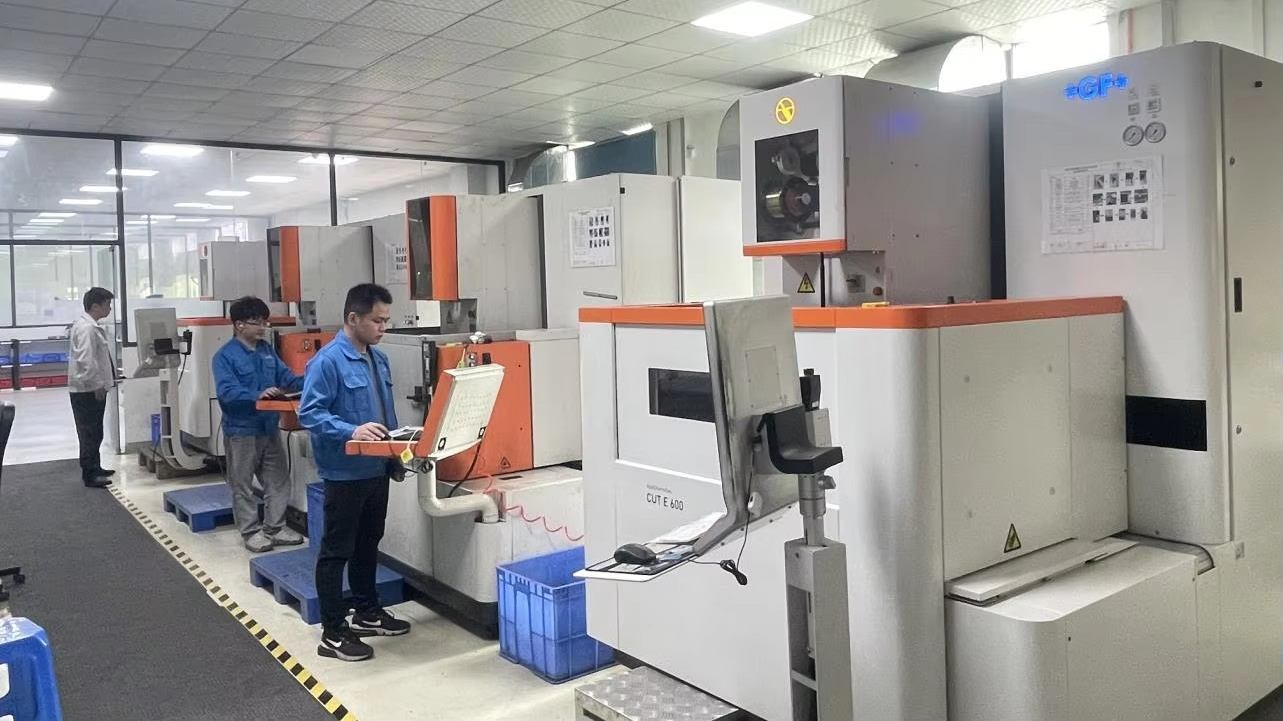
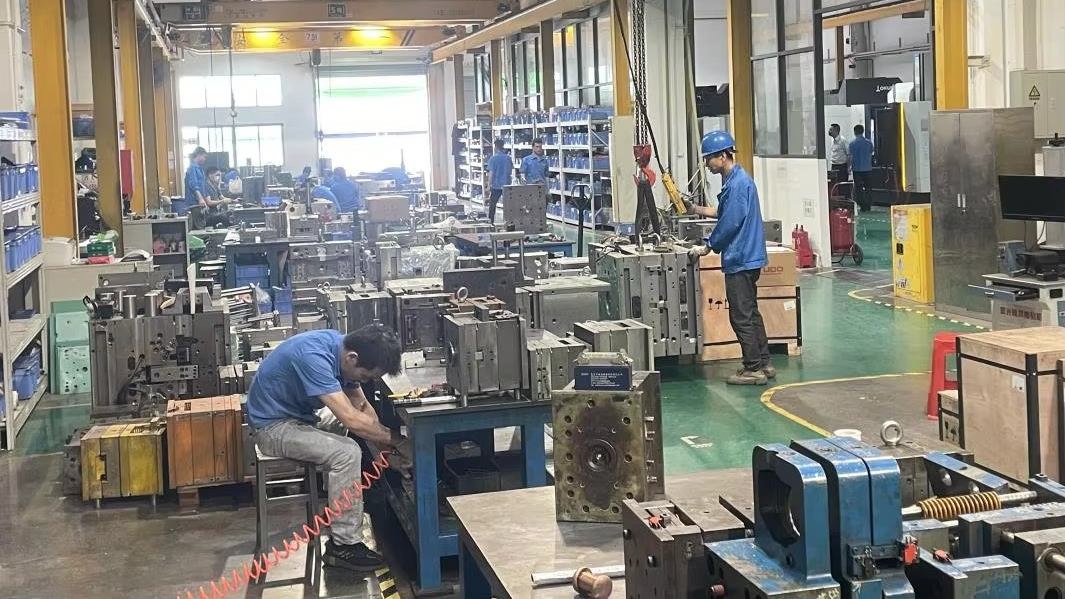
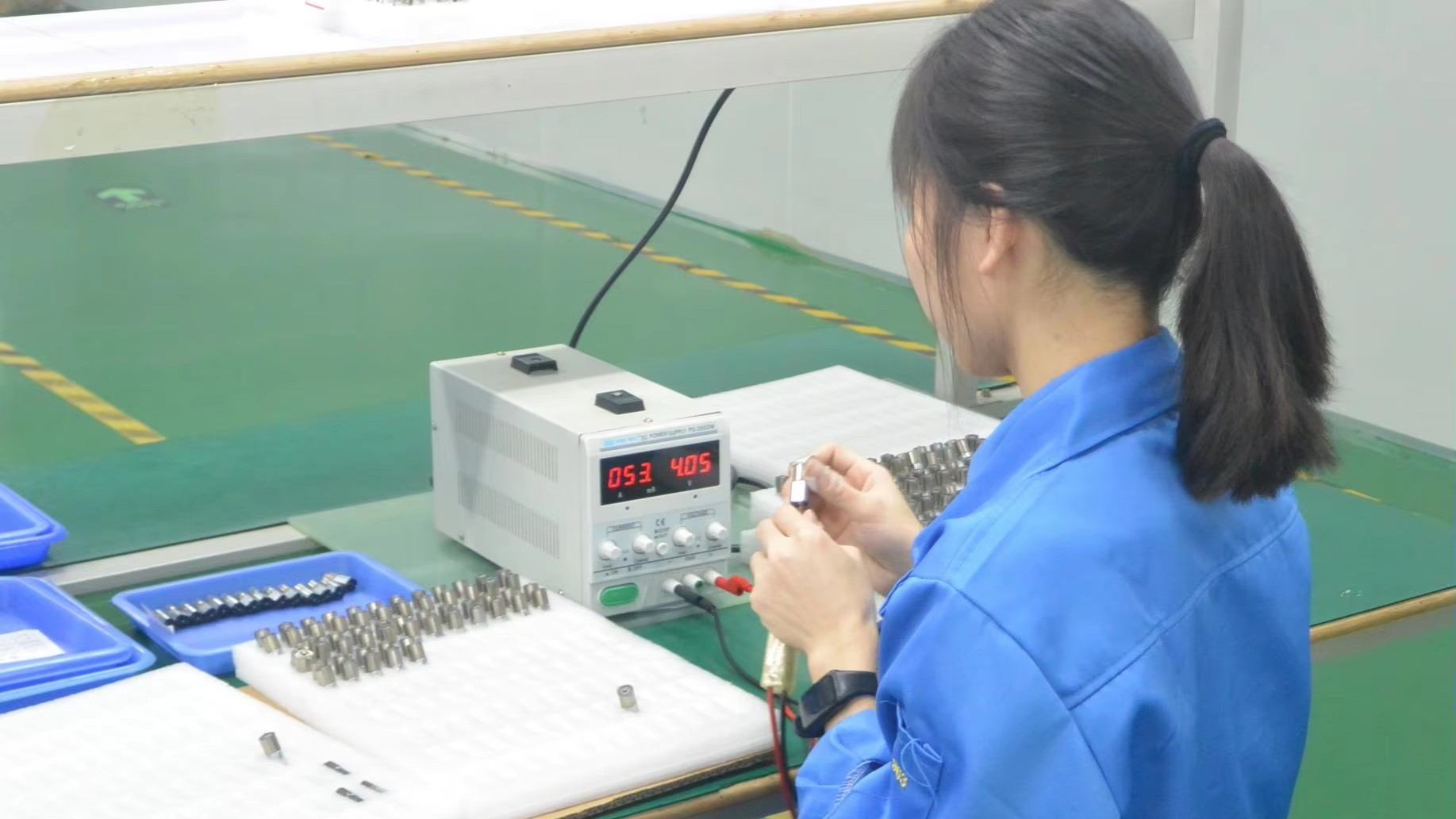
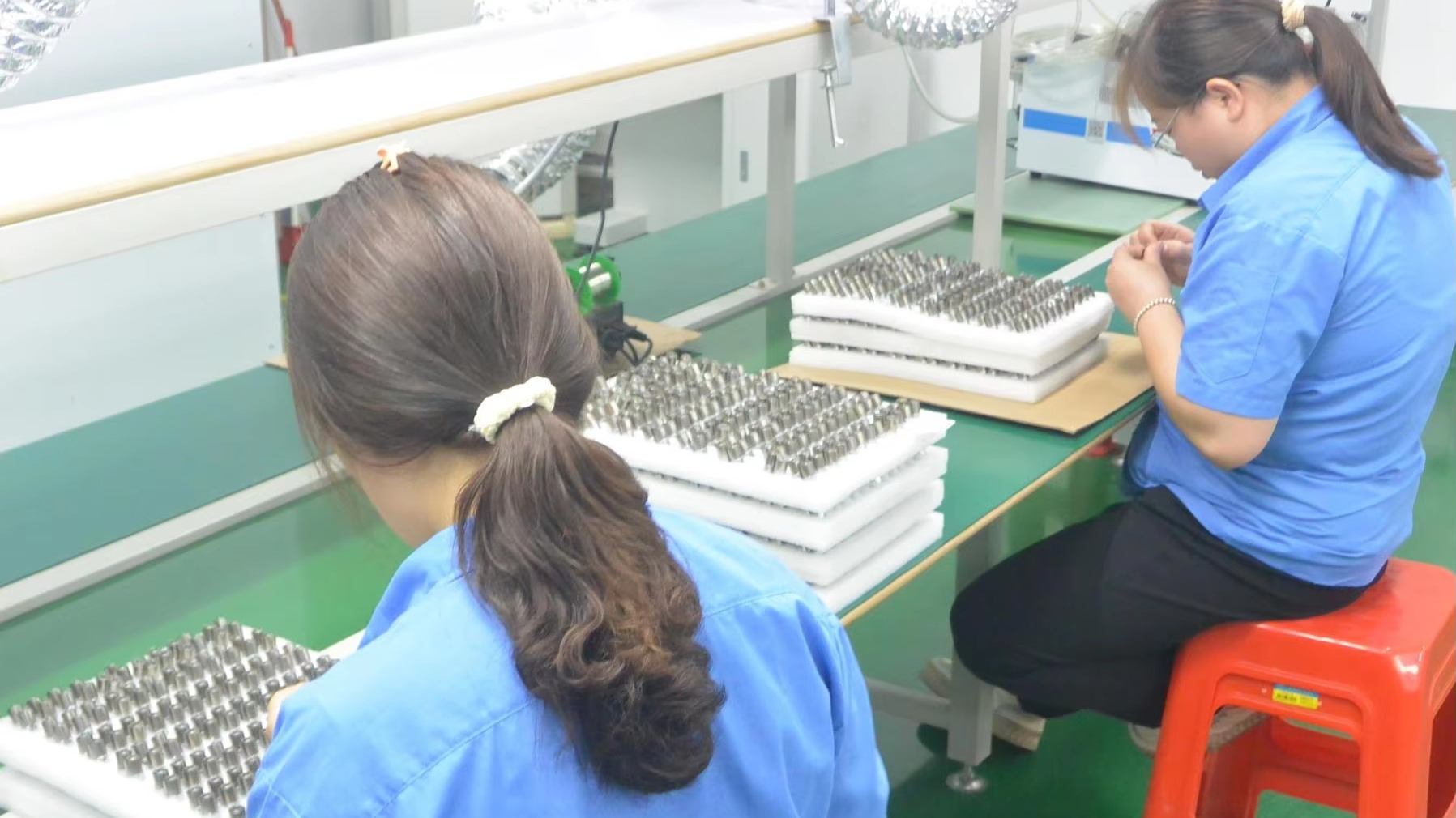
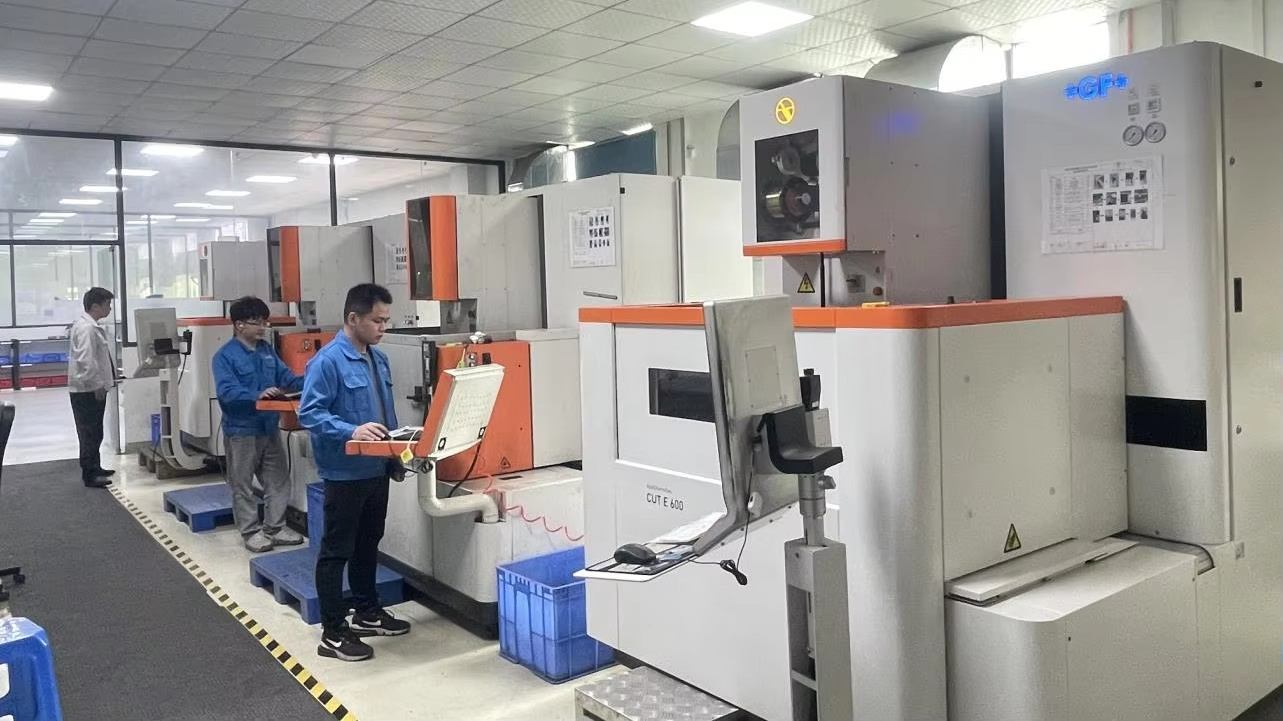
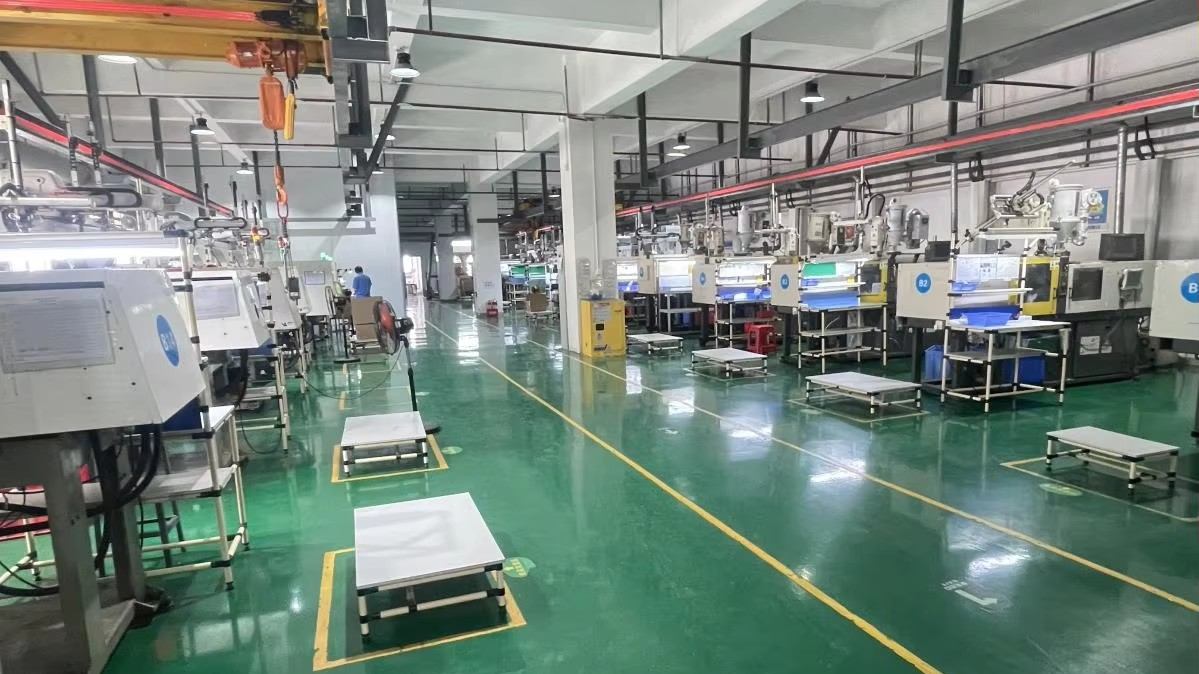
To support high-precision micro planetary gears and complex timing belt gear components, our factory utilizes advanced machinery covering toolmaking, high-pressure injection molding, precision machining, and metrological inspection. Here is a breakdown of our critical workflow divisions:
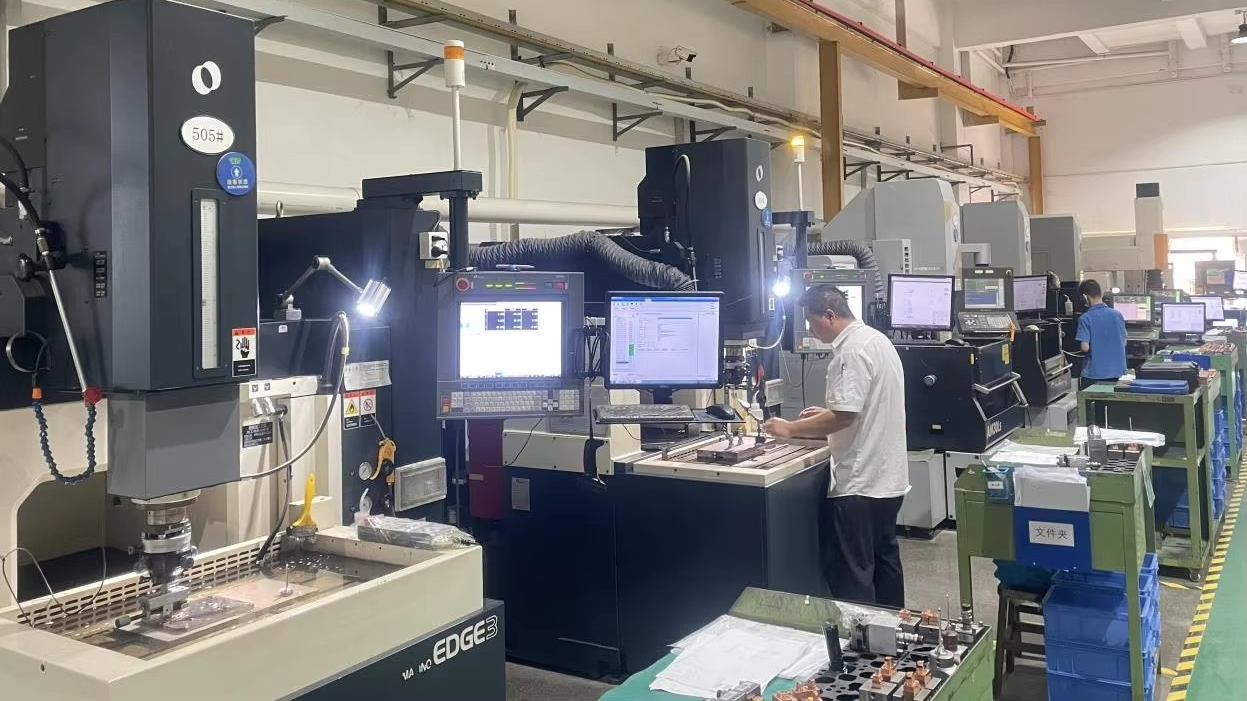
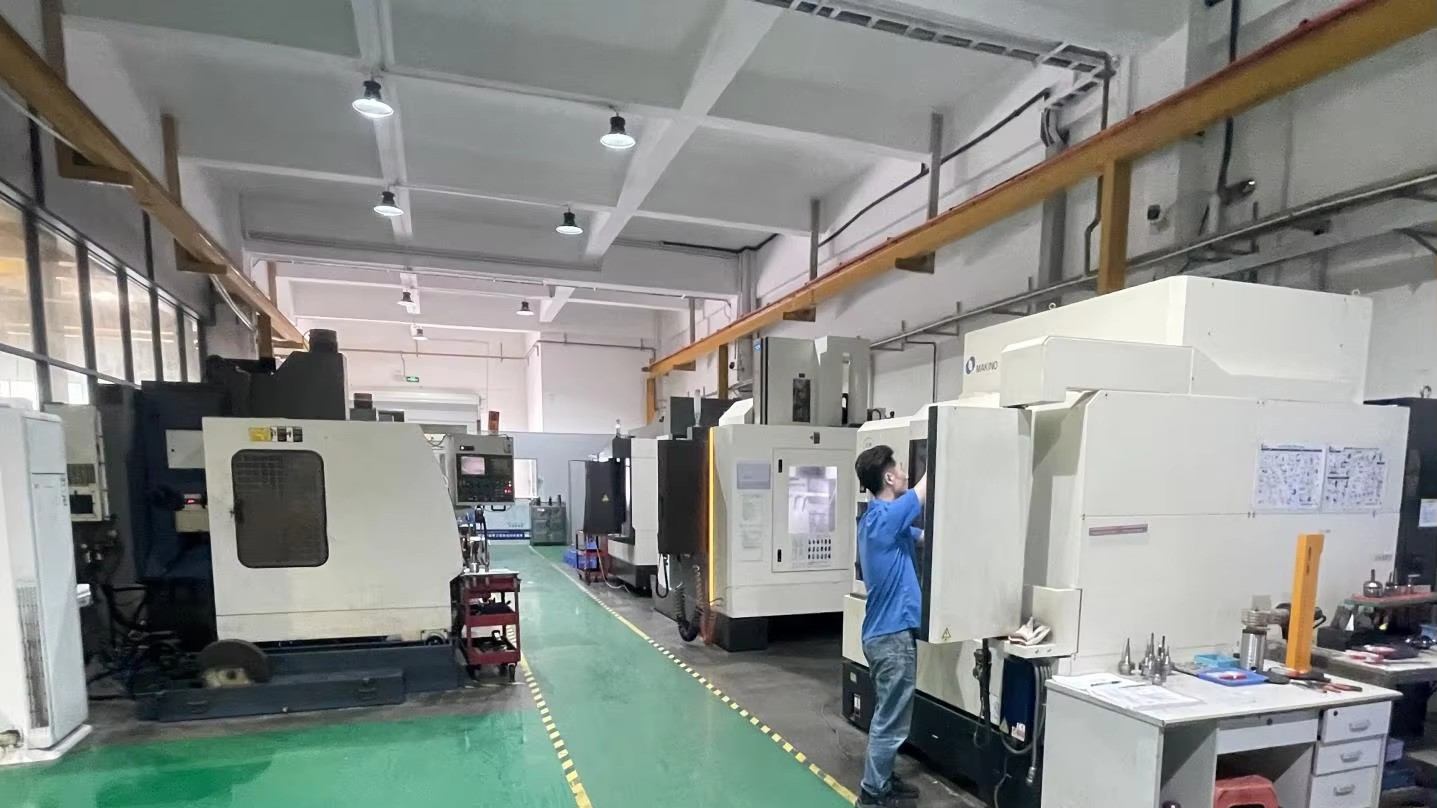
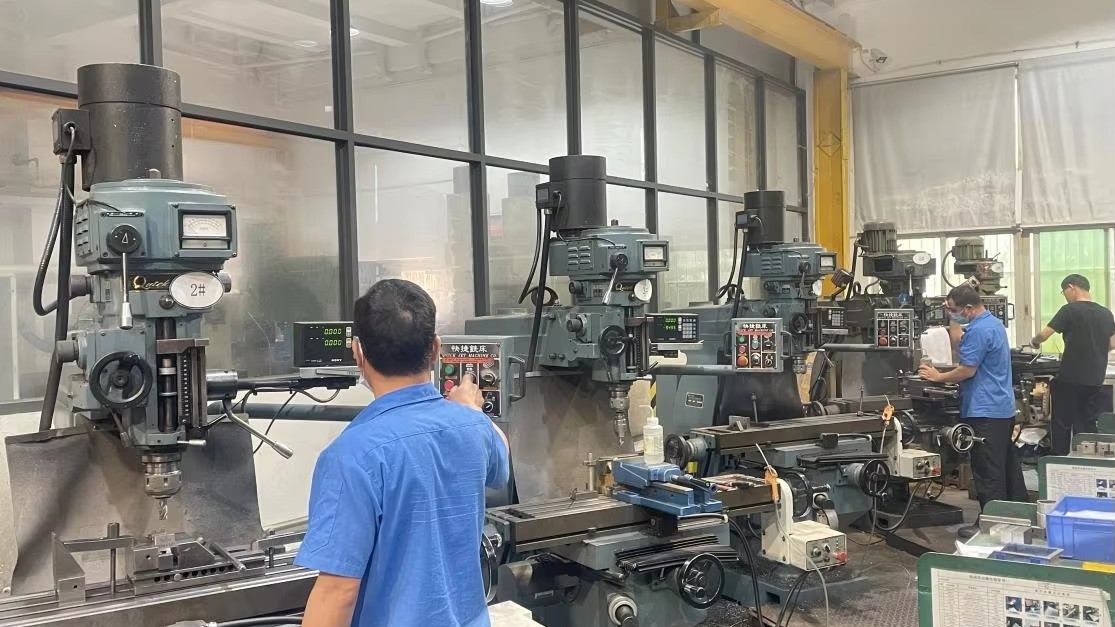
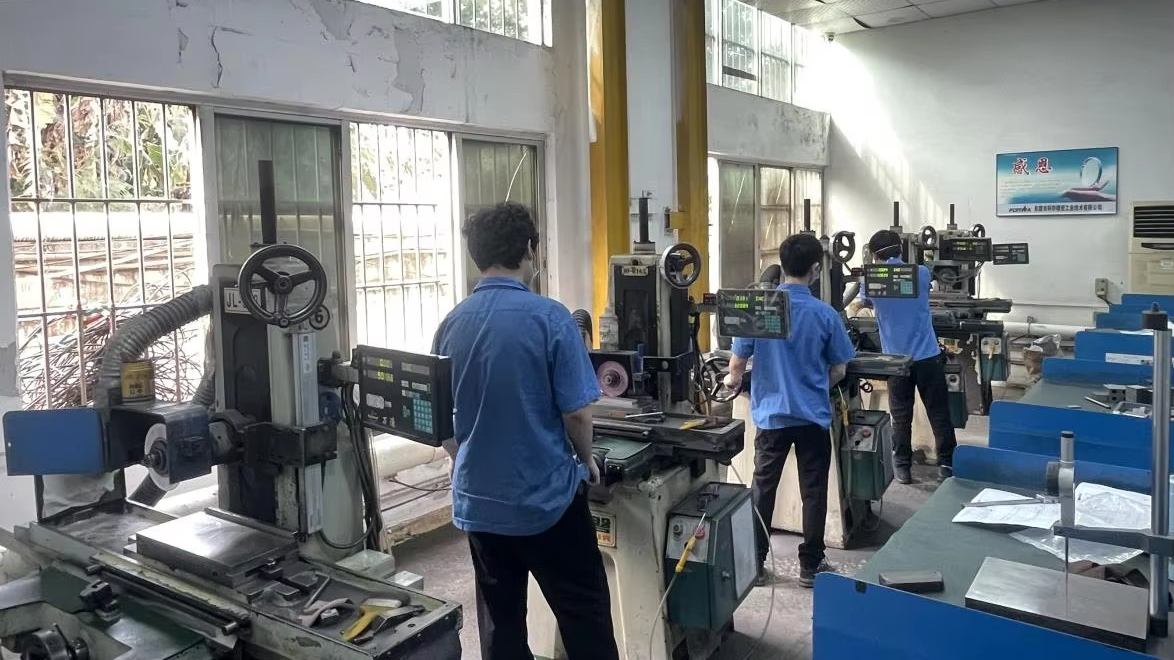
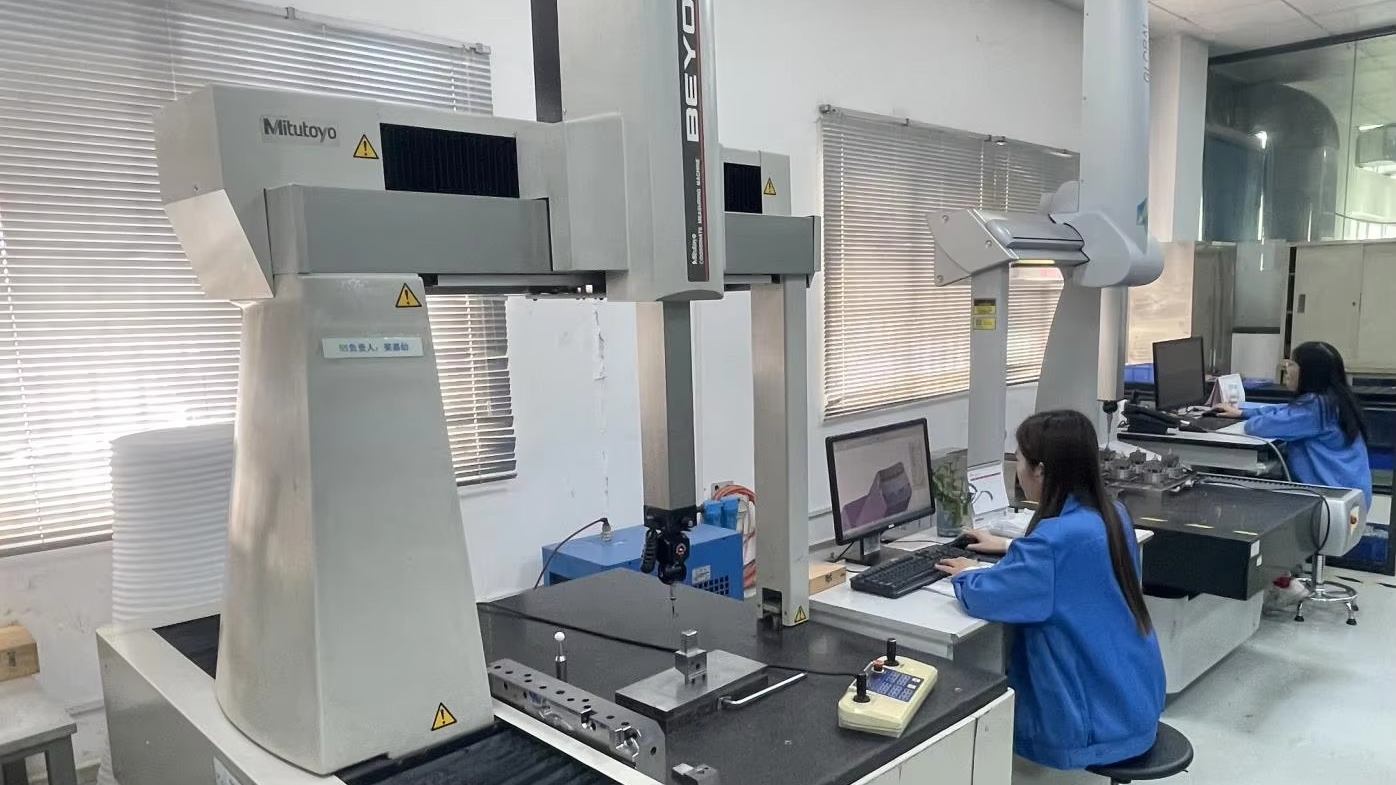
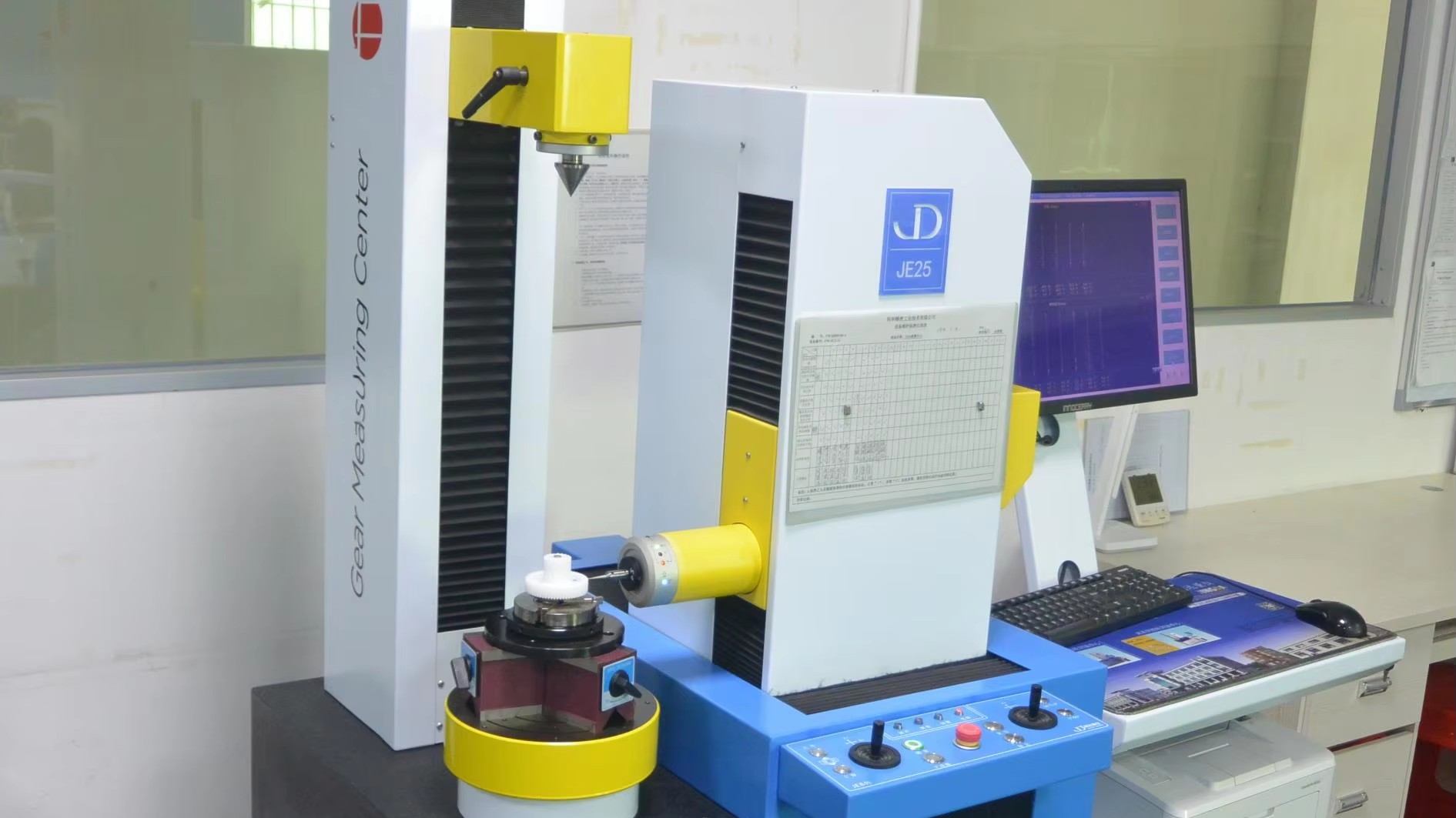
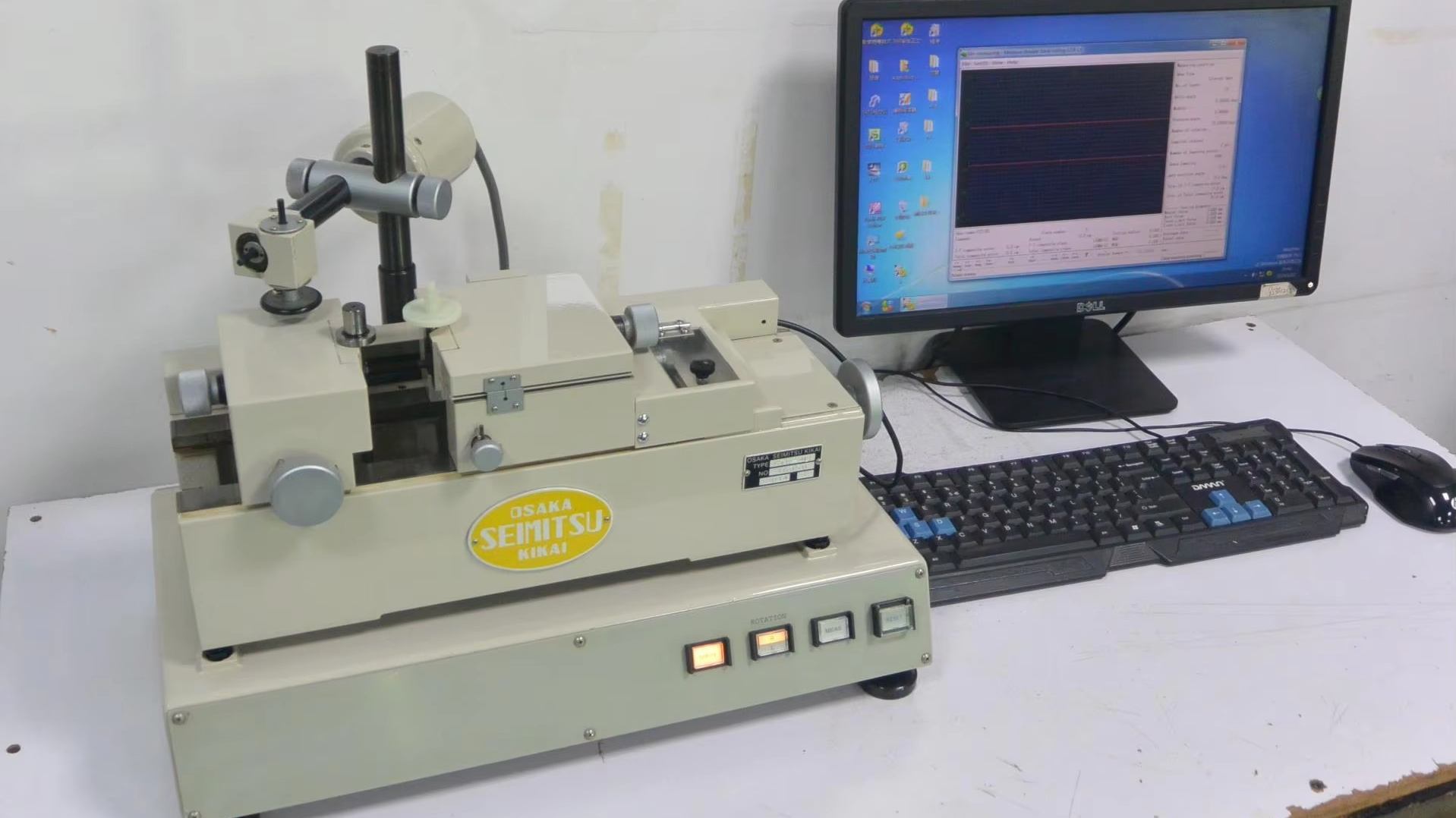
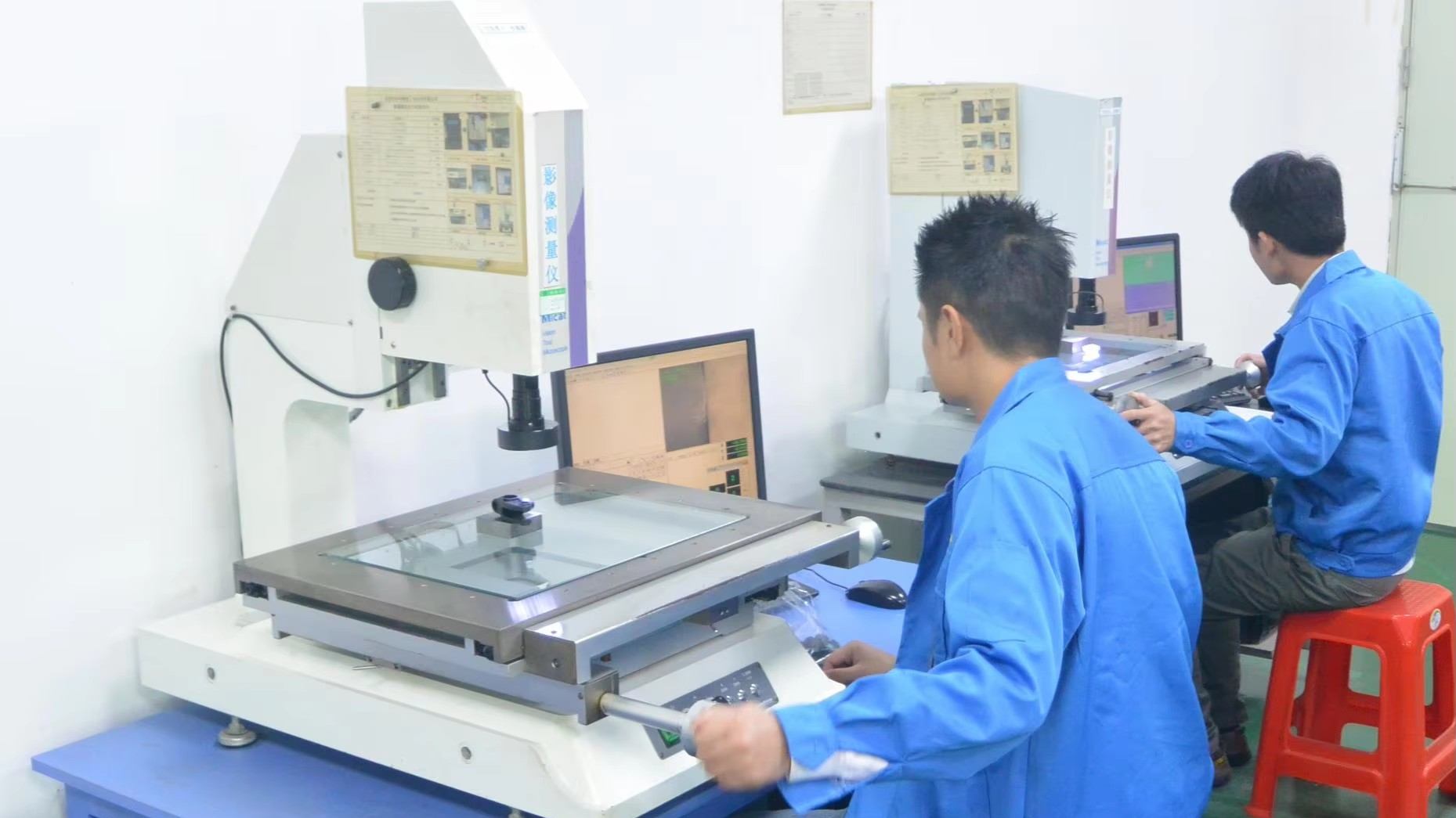
In mechanical power transmission, the interaction between a timing belt and a pulley/gear relies heavily on exact physical dimensions and appropriate material selection. When selecting material properties for micro-drives and gearboxes, engineers weigh the characteristics of different thermoplastics:
| Material Type | Tensile Strength (MPa) | Thermal Deflection Temp (°C) | Primary Mechanical Advantage | Common Industrial Applications |
|---|---|---|---|---|
| PA66 Nylon (Polyamide) | 75 - 85 | 90 - 110 | Self-lubricating, wear-resistant, high vibration absorption. | Pinions, sliding gates, water irrigator pumps, internal spur gears. |
| POM (Polyoxymethylene / Acetal) | 65 - 70 | 110 - 120 | High dimensional stability, low moisture absorption, minimal friction. | High-precision gear wheels, planetary gear stages, toy motors. |
| PEEK (Polyetheretherketone) | 95 - 105 | 150 - 260 | High heat resilience, high load limits, excellent chemical resistance. | Power recliners, automotive transmission control units, aerospace. |
| ABS (Acrylonitrile Butadiene) | 40 - 45 | 80 - 95 | Cost-efficient, high impact resistance, easy to mold. | Lightweight modules, toys, shell housings, low-load gearboxes. |
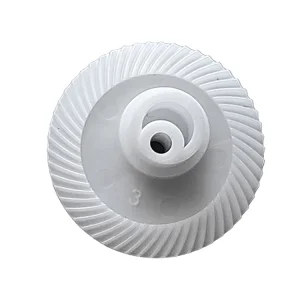
Understanding tooth geometry is essential for maximizing operational lifespan. Standard modules (such as 0.4M, 0.5M, and 0.8M) are carefully evaluated during tool design. A minor deviation in tooth profile, surface roughness, or concentricity can accelerate wear on timing belts and lead to micro-drives binding. At Kineto Motor, we integrate mold flow analysis with slow wire machining to control gate locations and cooling rates, mitigating shrinkage-induced tooth distortions in semi-crystalline polymers like POM and Nylon.
Our timing gears, micro planetary motors, and custom molded components are engineered for specific applications across several critical industries:
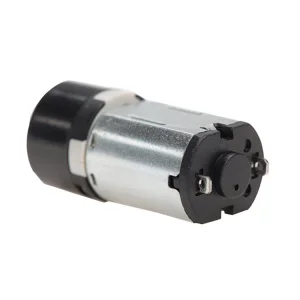
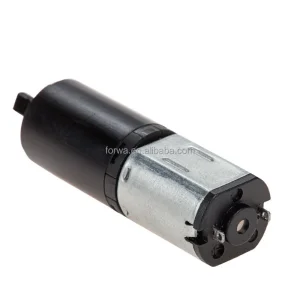
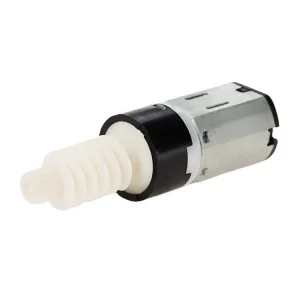
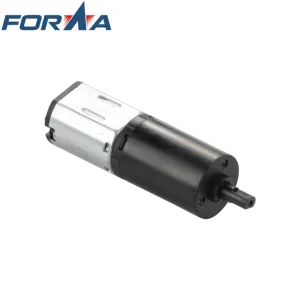
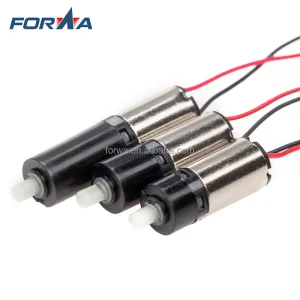
From smart trash cans and automated lid opening mechanisms to motorized fingerprint locks, quiet performance is key. Our 12mm and 10mm micro-planetary gearbox series use self-lubricating nylon and POM gears. This material choice dampens vibration, keeping noise below 45dB while maintaining the high torque needed to retract heavy locking deadbolts.
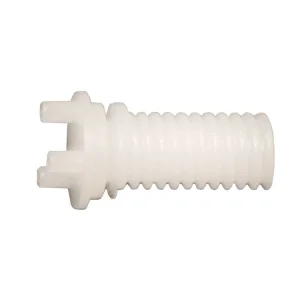
High-hardness PA66 nylon gears and high-speed miniature gearboxes drive oral irrigators and medical dosing pumps. These gears must withstand dynamic chemical exposure, rapid torque spikes, and high rotational speeds without shedding wear particles or losing tooth profiles.
Automated skylights and window assemblies require high torque and quiet, reliable operation. Our 26mm DC gear motor assembly features a high-density metal-and-polymer hybrid planetary setup, providing the strength of metal gears alongside the smooth operation of precision-molded polymer pinions.
Precise speed control is required to prevent cavitation or separation when mixing formula. Our 10mm and 12mm low-noise planetary gear motors run at low voltages (3V to 6V) while providing steady torque, ensuring smooth mixing and consistent bottle warming performance.
Resolving complex challenges in custom timing gear procurement
Optimized for smart locks, home automation, and industrial actuators
 Kineto Motor