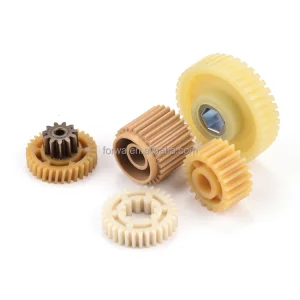
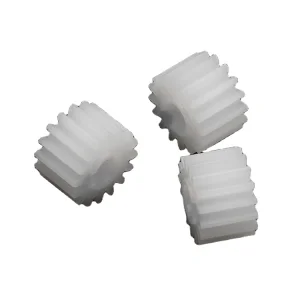
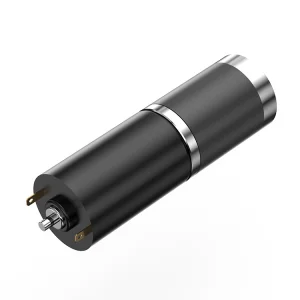
Explore high-efficiency miniature gearboxes, custom gears, and planetary reduction units designed for industrial excellence.
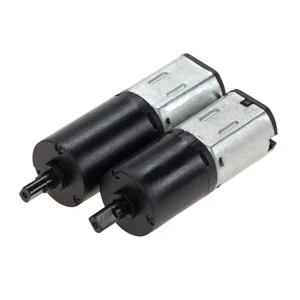
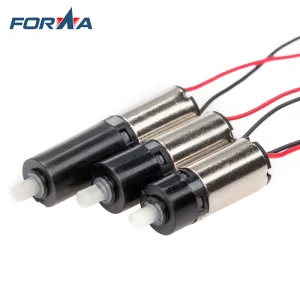
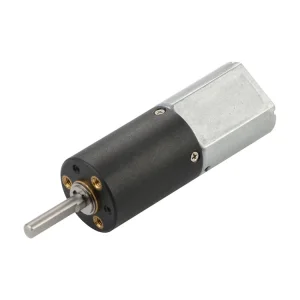
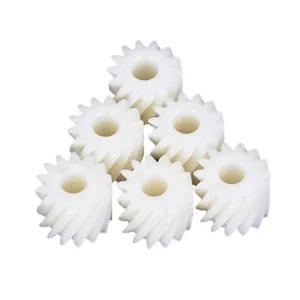
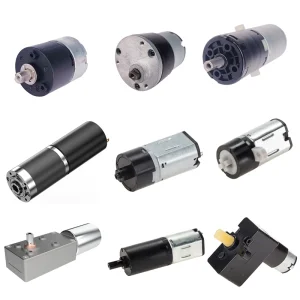
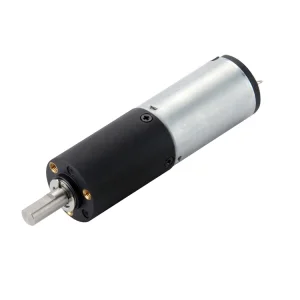
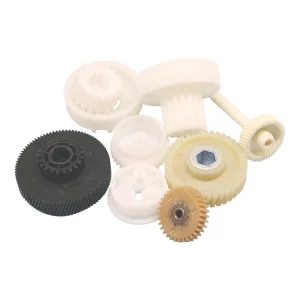
The global industrial landscape is experiencing a paradigm shift towards automation, intelligent actuation, and extreme miniaturization. At the heart of this transformation lie gear shaft assemblies—the mechanical backbones that convert motor power into precise torque and movement. As high-precision industries such as unmanned aerial vehicles (UAVs), medical robotics, aerospace control surfaces, and smart automotive systems expand rapidly, the engineering requirements for custom gear shaft manufacturers have scaled to micro-metric thresholds.
For enterprise procurement officers and system design engineers, finding the right manufacturer is no longer just about cost-per-unit. It is an evaluation of tribological expertise, material science competence, tooling repeatability, and modern automated quality control. Precision transmission components demand meticulous micro-geometry layout, zero-backlash engineering, and optimized surface roughness to prevent premature mechanical fatigue and system failure.
Modern gear shaft assembly architectures are moving away from traditional bulky steel designs towards complex, hybridized multi-material configurations. Key trends include:
Over 20 years of manufacturing heritage, combining lean automation with strict compliance standards.
Selecting the correct gear material composition dictates the mechanical limits, wear resistance, acoustic dampening profile, and production cost structure of your gear shaft assembly. For applications requiring lightweight performance with low load, modern thermoplastics dominate. Conversely, high-torque industrial actuators rely on sintered metals or hardened steels.
| Material Class | Primary Alloys / Polymers | Tensile Strength (MPa) | Operating Temp Range | Core Application Domain | SEO Target Benefits |
|---|---|---|---|---|---|
| Advanced Thermoplastics | POM (Polyoxymethylene), PA66 Nylon, ABS | 60 - 90 | -40°C to +110°C | UAV drive units, toy transmissions, consumer smart locks | Self-lubricating, lightweight, high acoustic attenuation |
| Powdered Metallurgy | Sintered Iron, Bronze, Nickel-Steel Alloys | 250 - 650 | -60°C to +300°C | Industrial robotic joints, appliance motors, range hoods | Net-shape manufacturing, cost-effective high-volume production |
| Machined Steel & Brass | Carbon Steel (e.g. C45), Stainless 304/316, Brass | 500 - 950 | -100°C to +400°C | Automotive skylights, heavy aircraft actuators, vending gearboxes | Extreme torsional stiffness, ultimate wear lifecycle resistance |
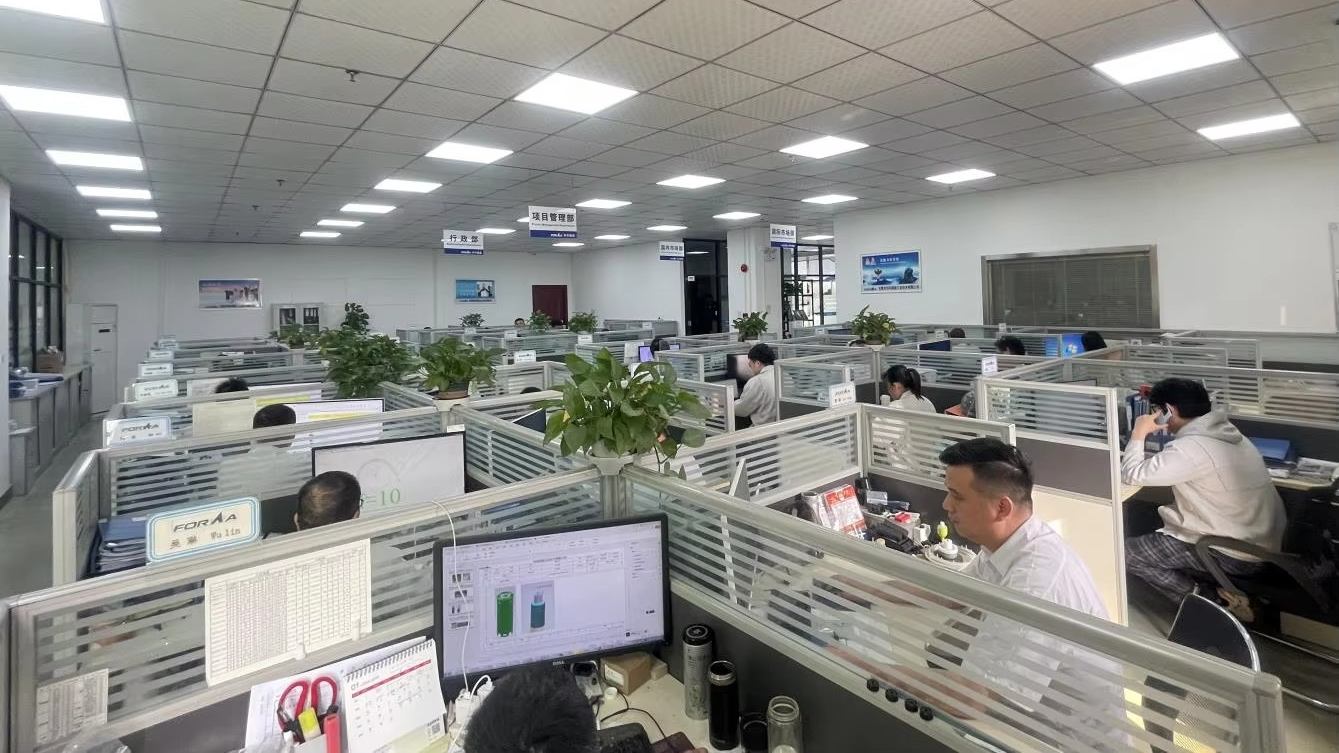
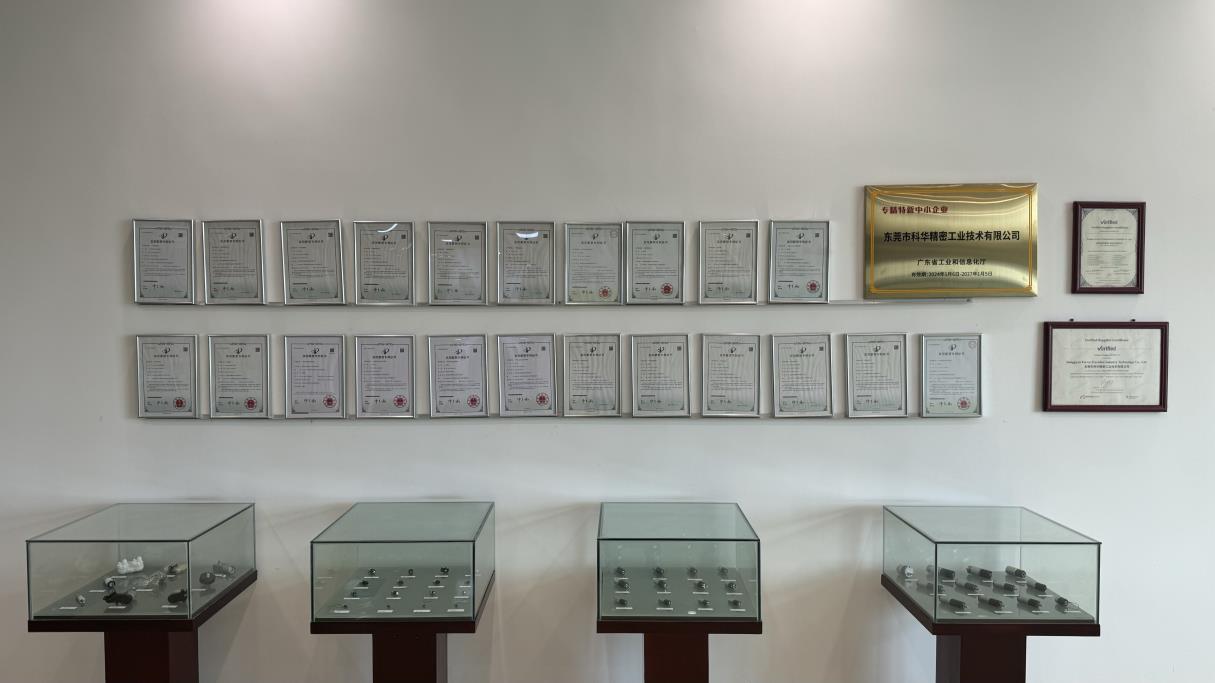
At Kineto Motor, our state-of-the-art facilities combine micro-drive fabrication with a complete sustainable production ecology conforming to strict international benchmarks, including ISO9001, CE, RoHS, and REACH. By investing heavily in automated assembly lines and green manufacturing technologies, we eliminate structural assembly variation and deliver unparalleled tolerance control down to the micron.
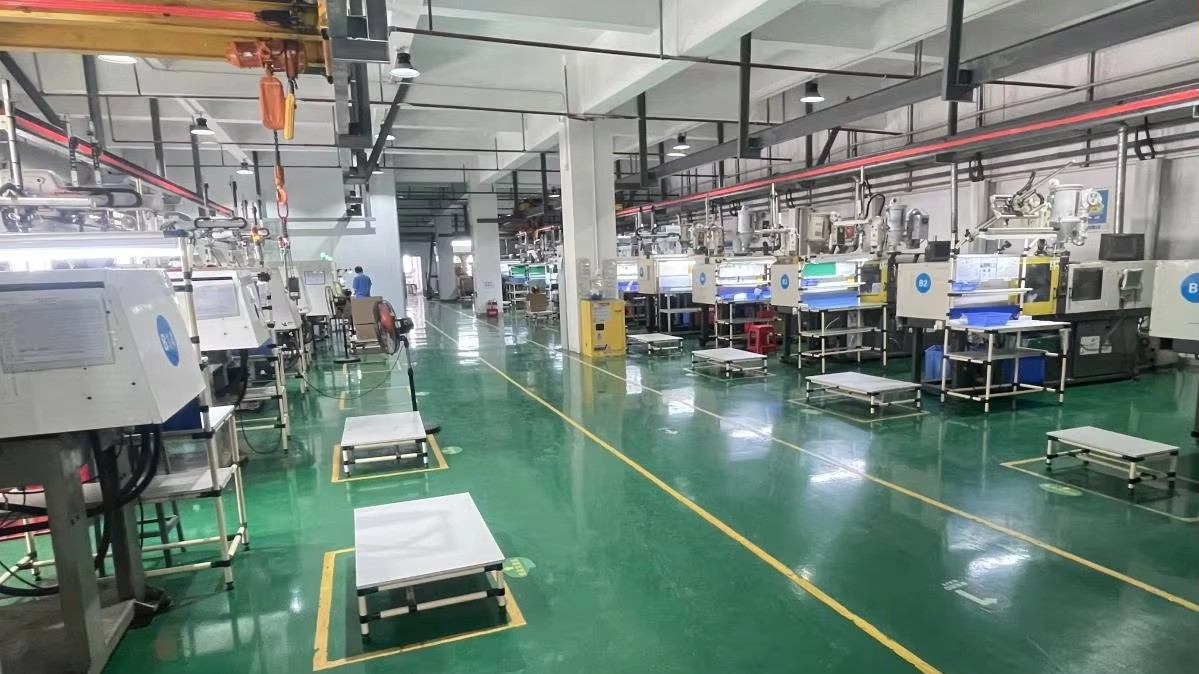
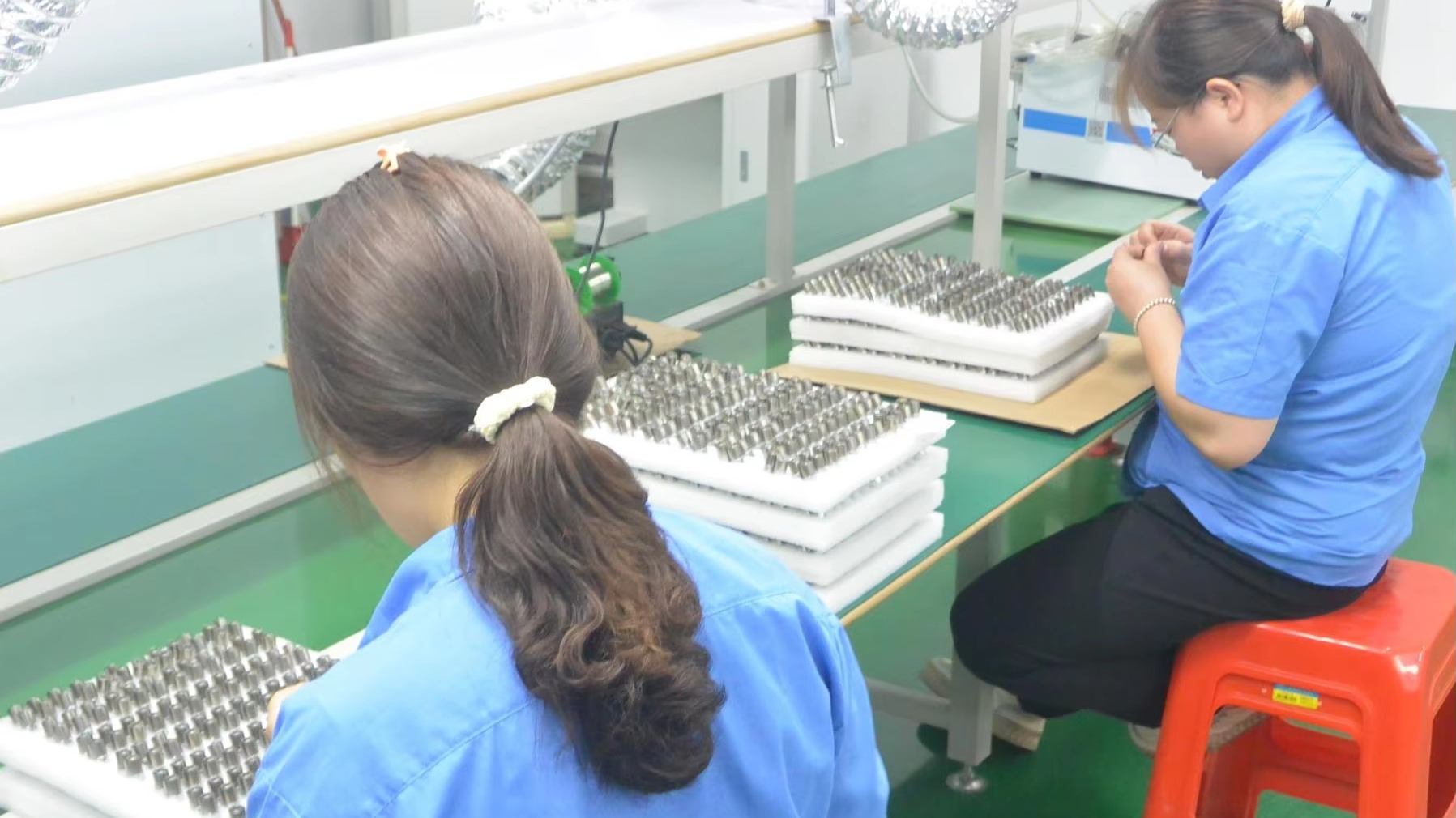
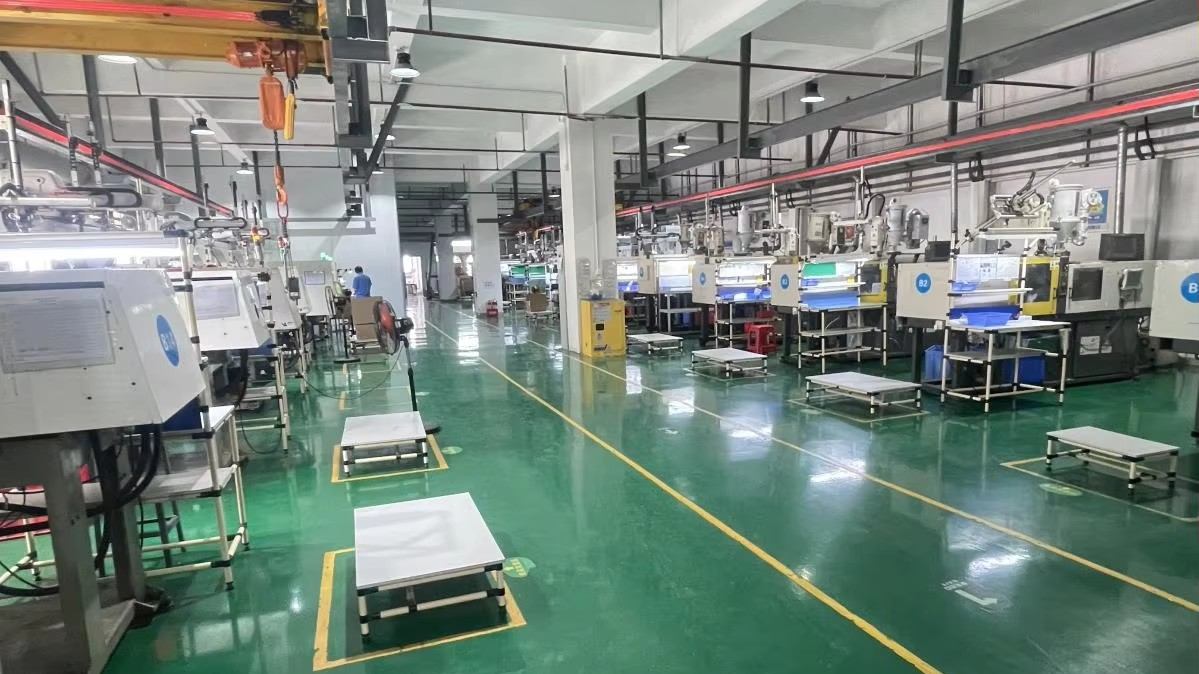
From die parts processing to high-volume injection molding, assembly, and packaging.
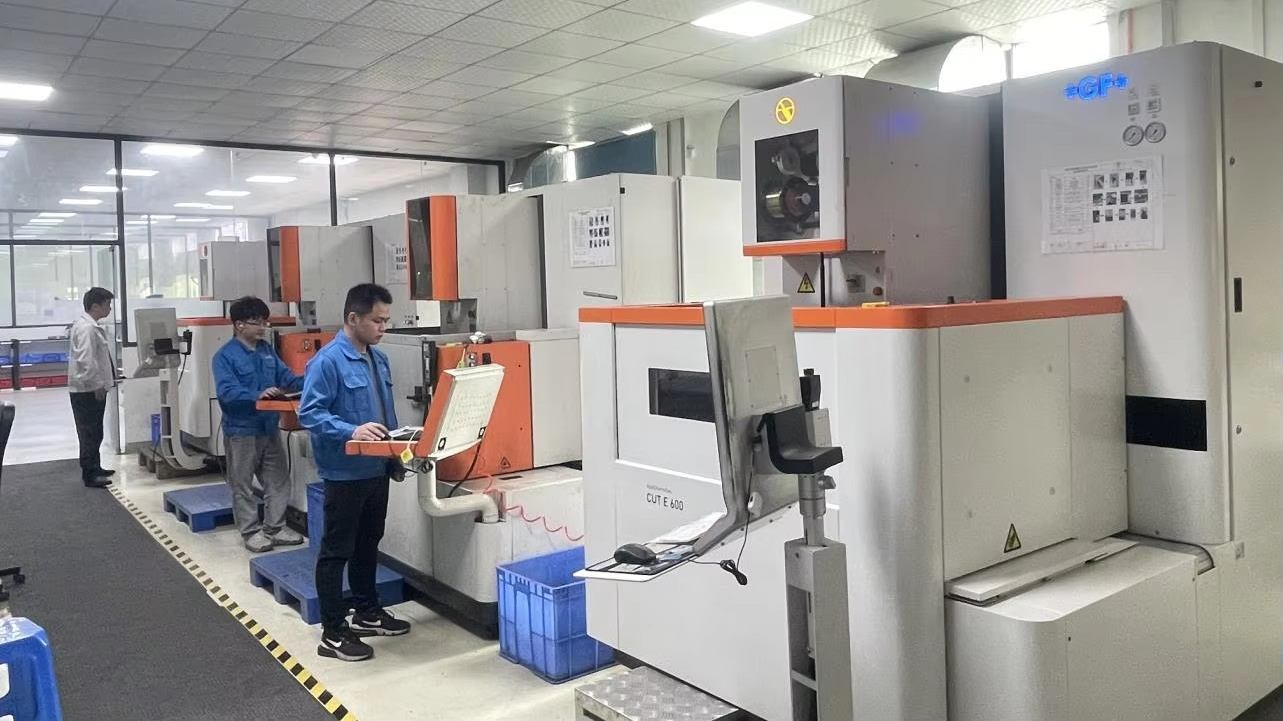
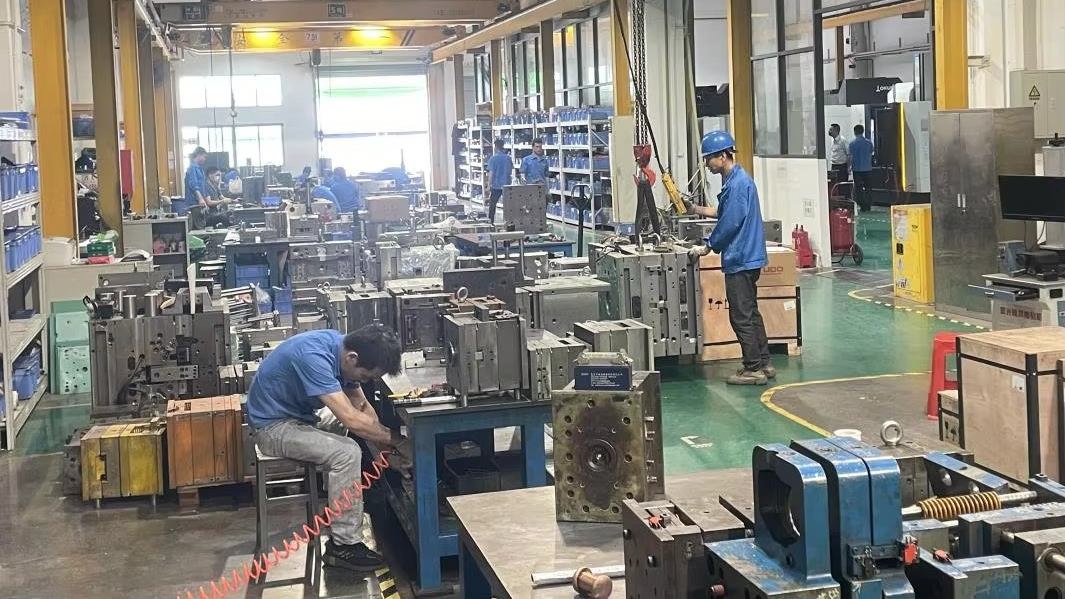
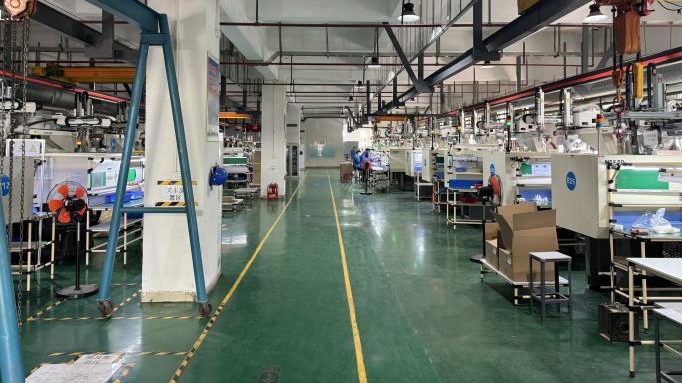
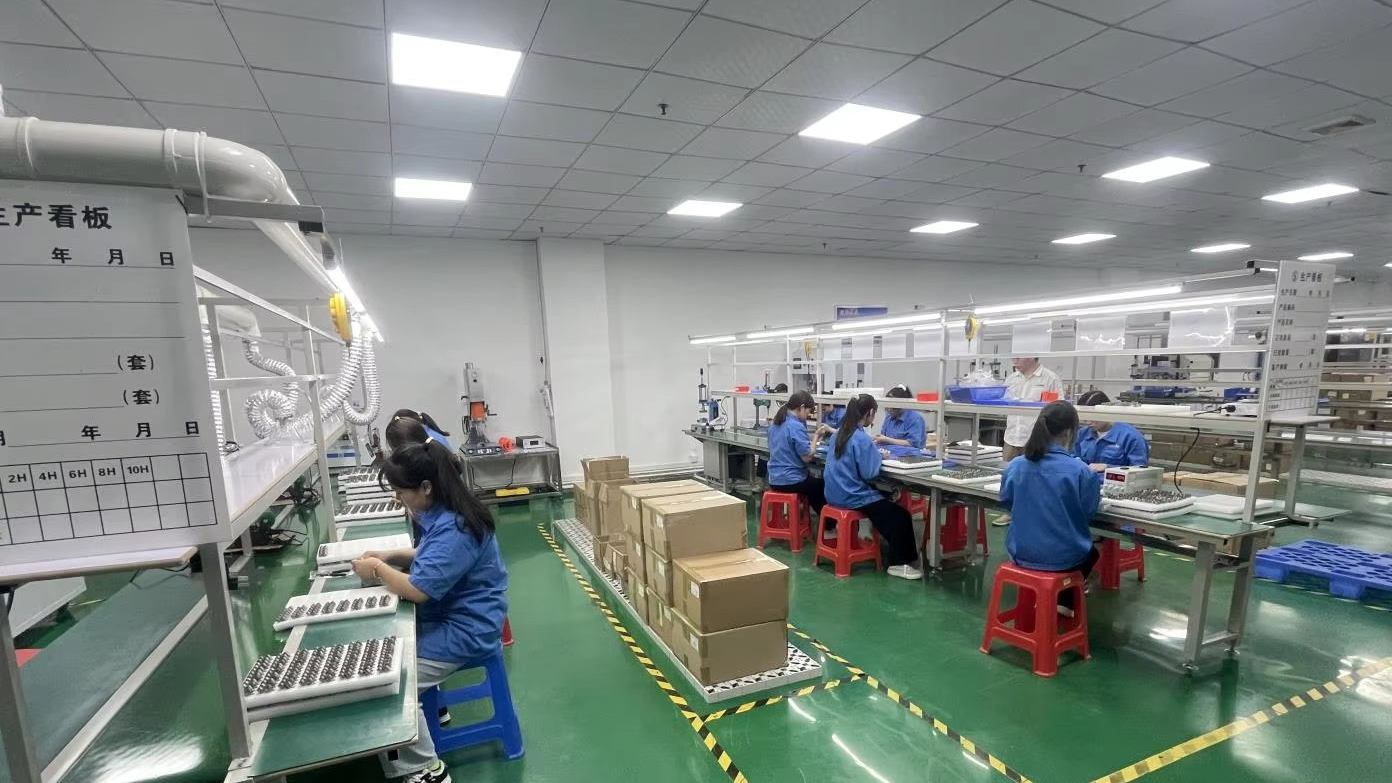
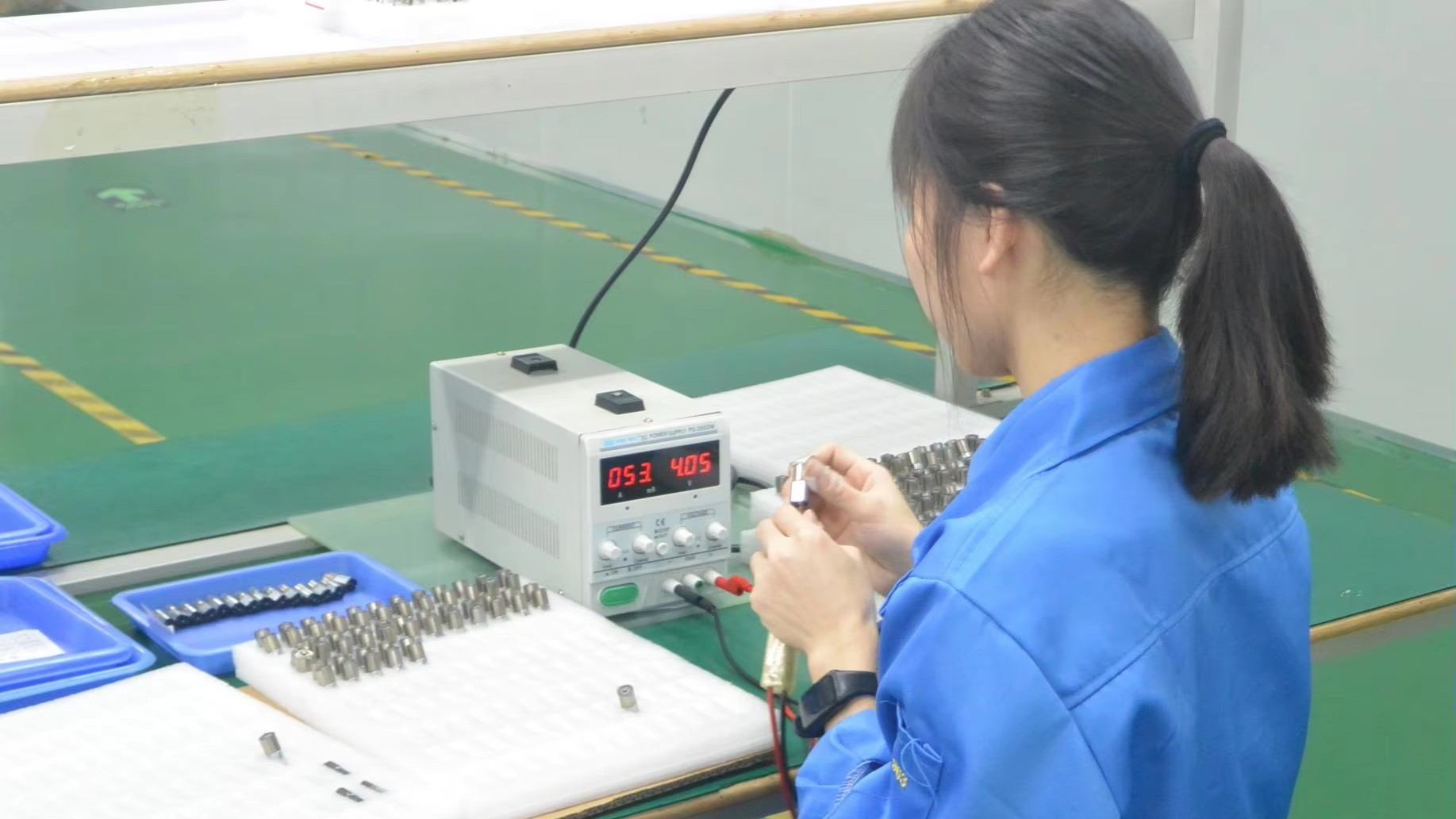
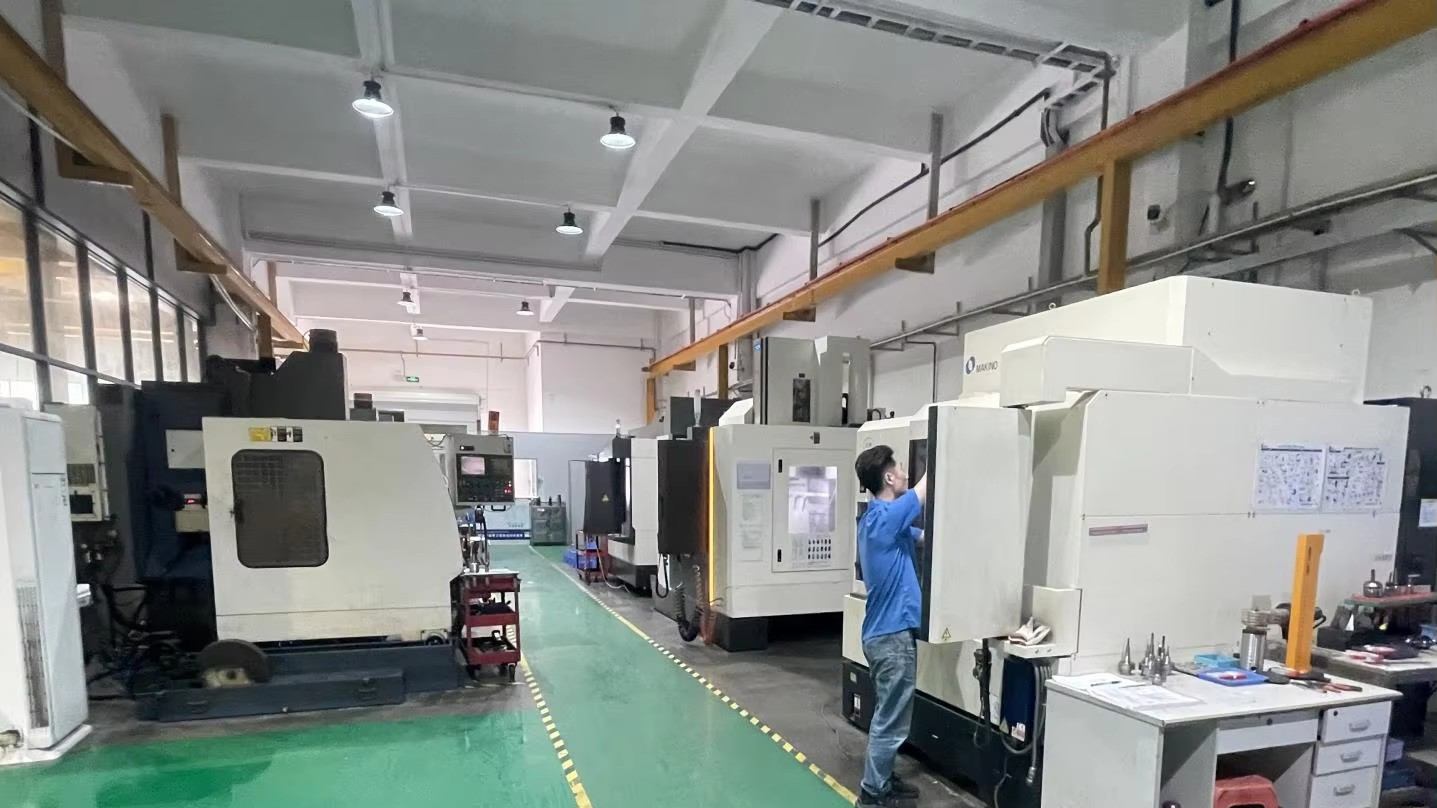
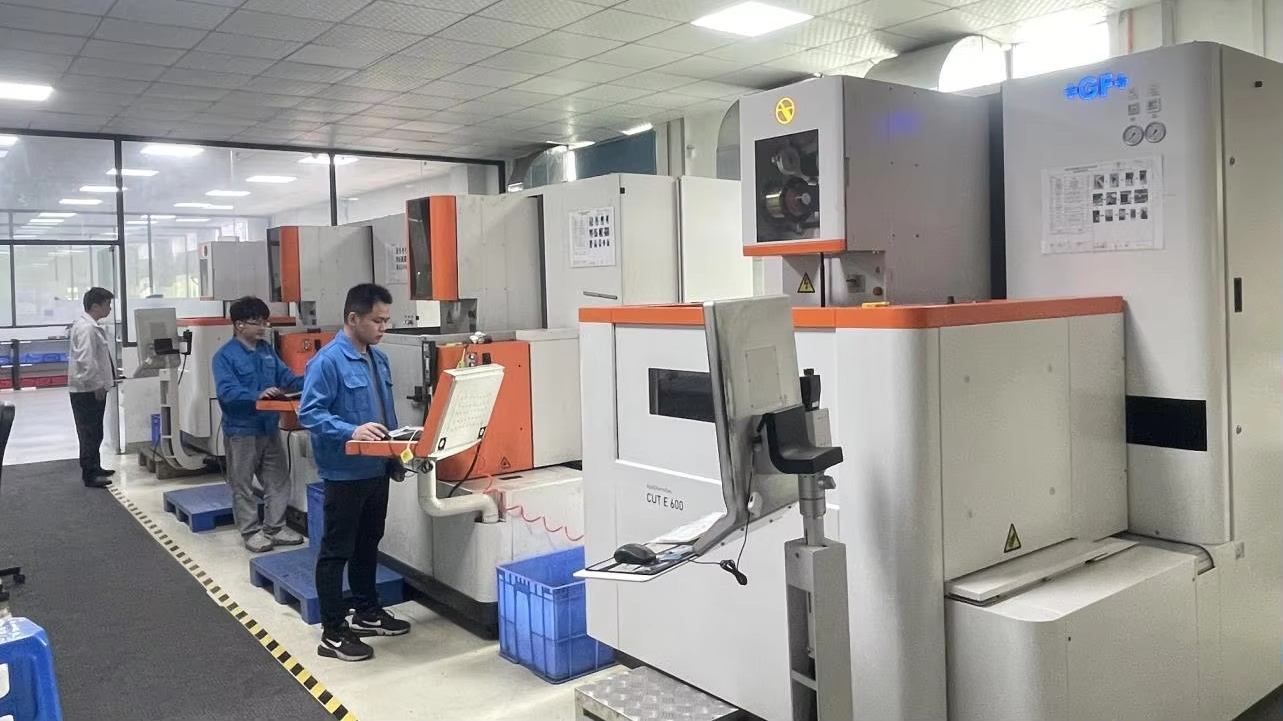
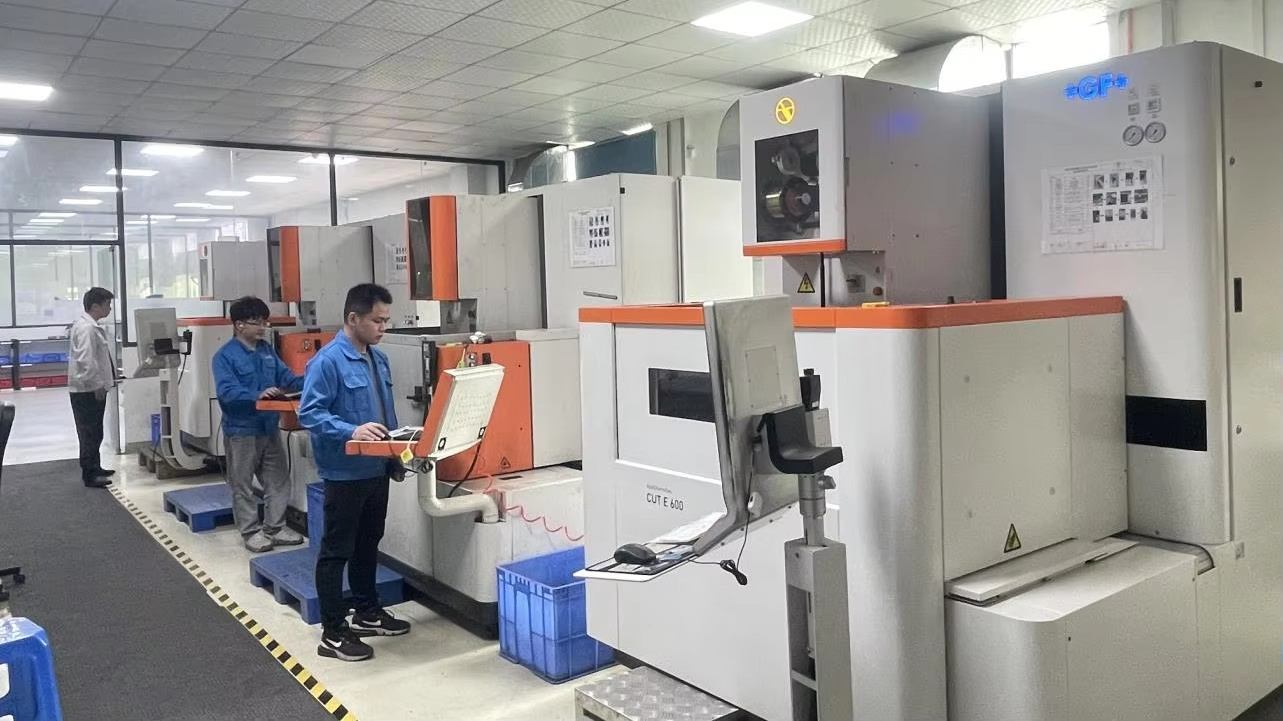
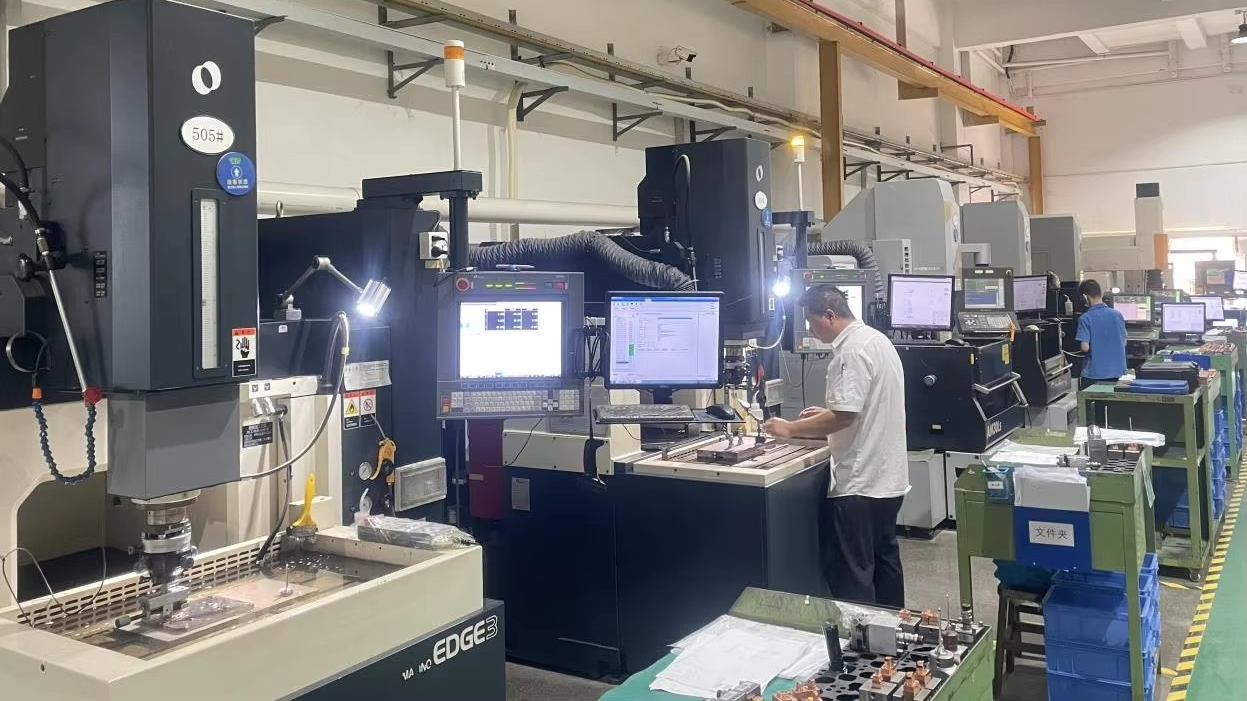
Underpinning our manufacturing with high-precision tooling, EDM, CNC, and grinding centers.
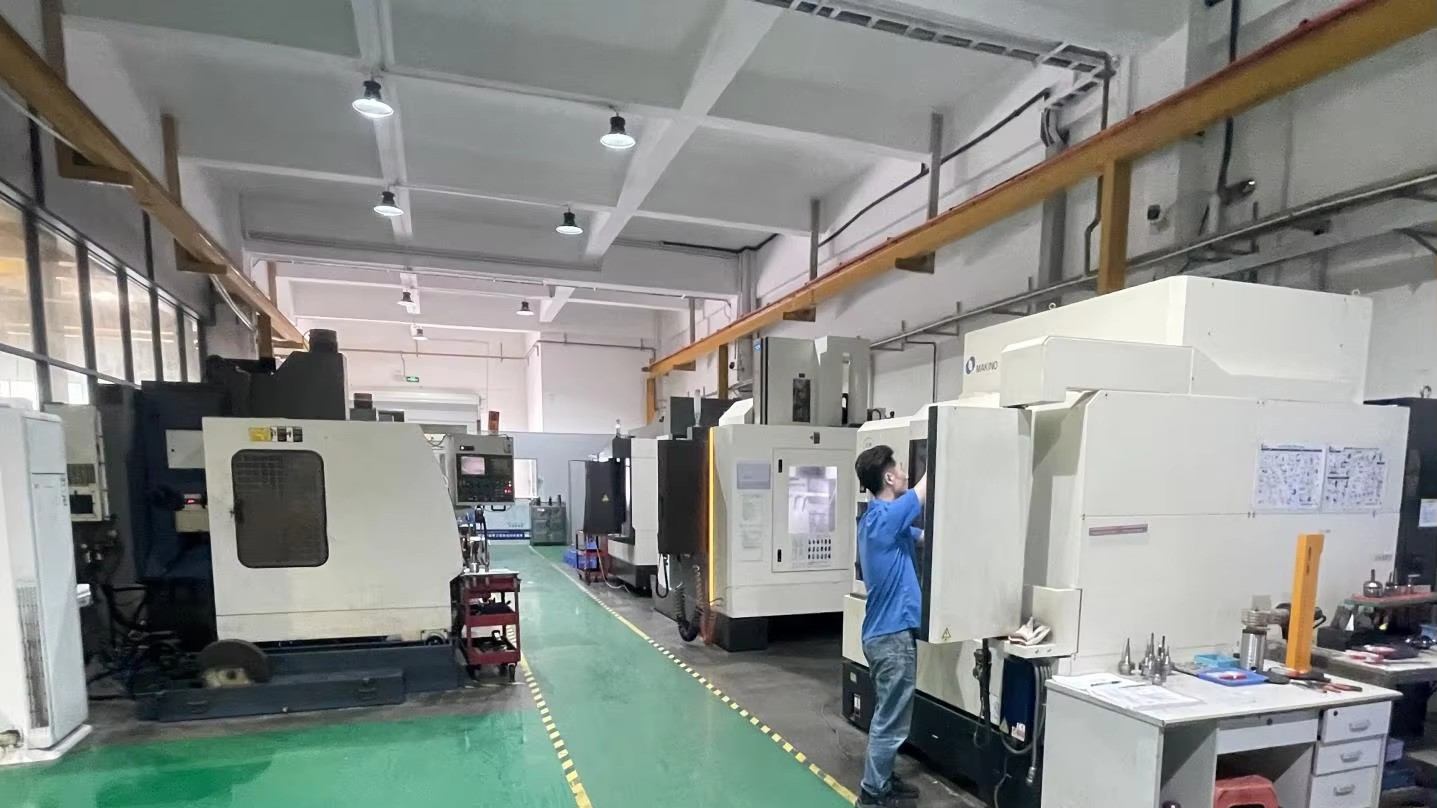
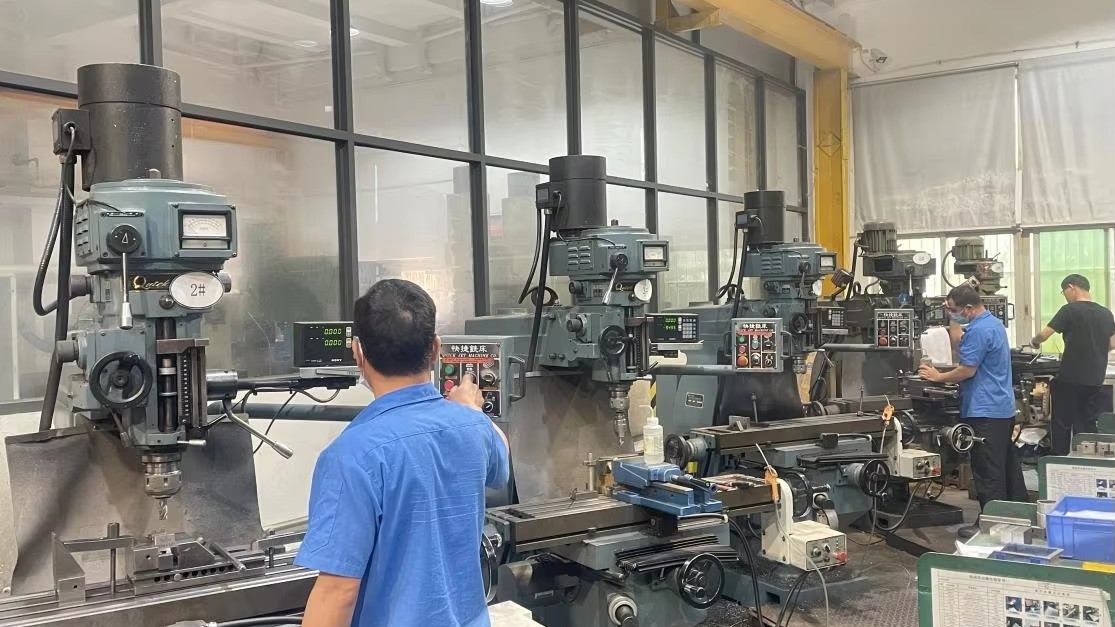
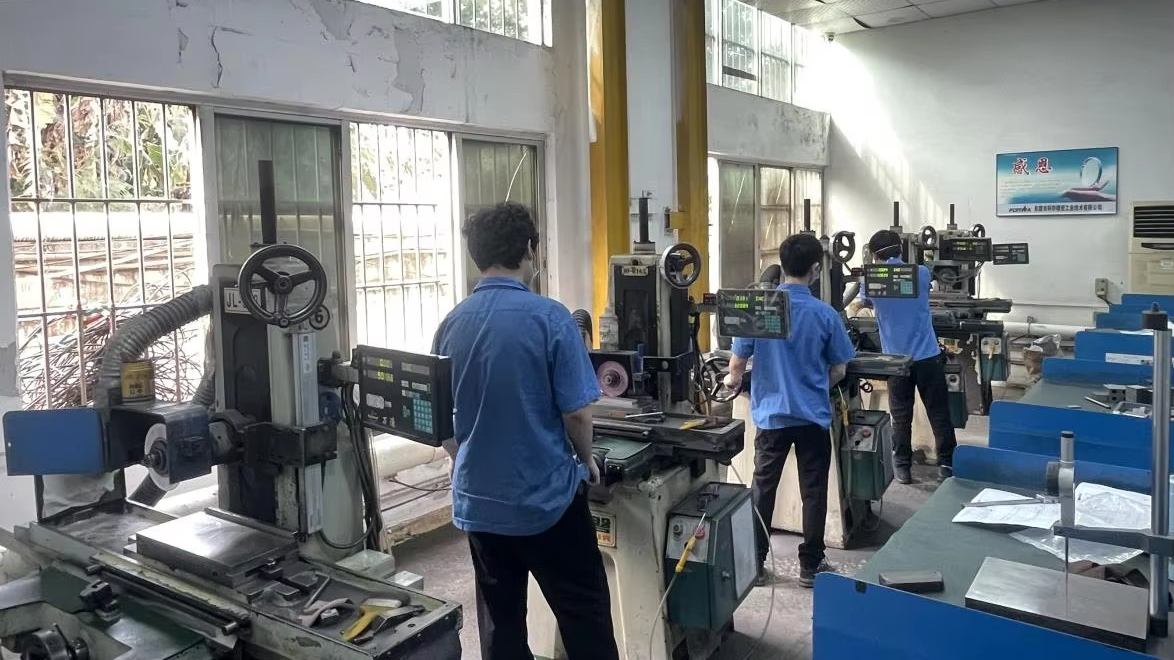
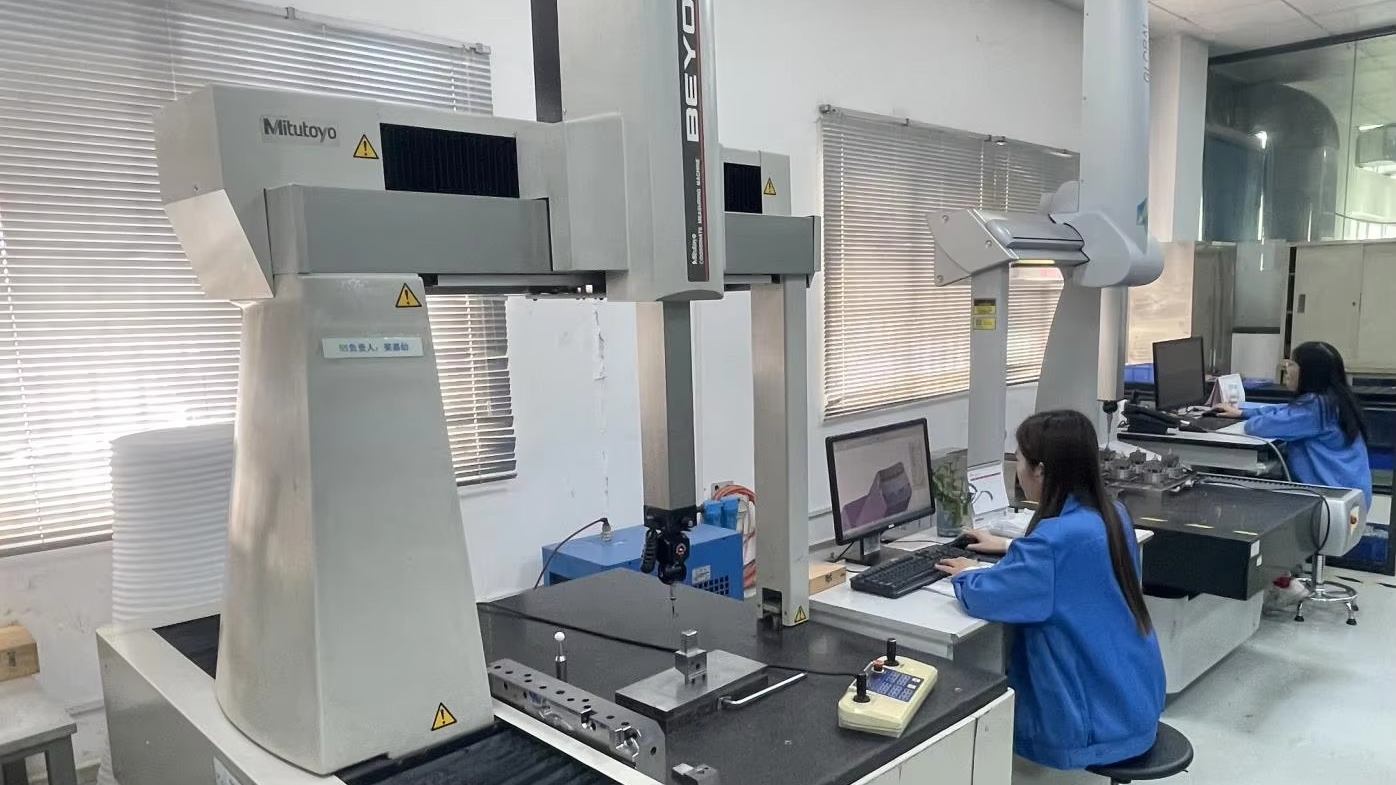
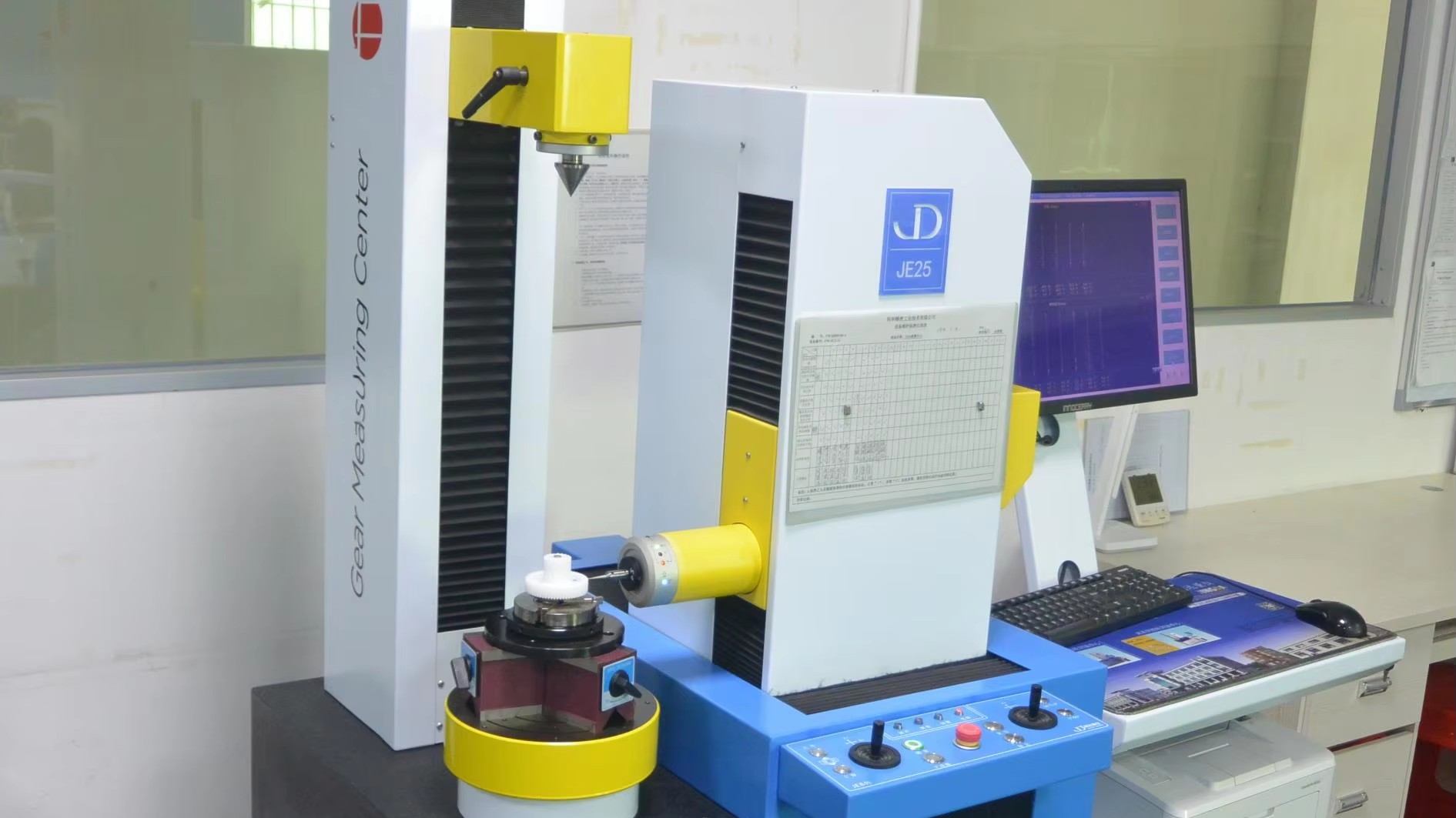
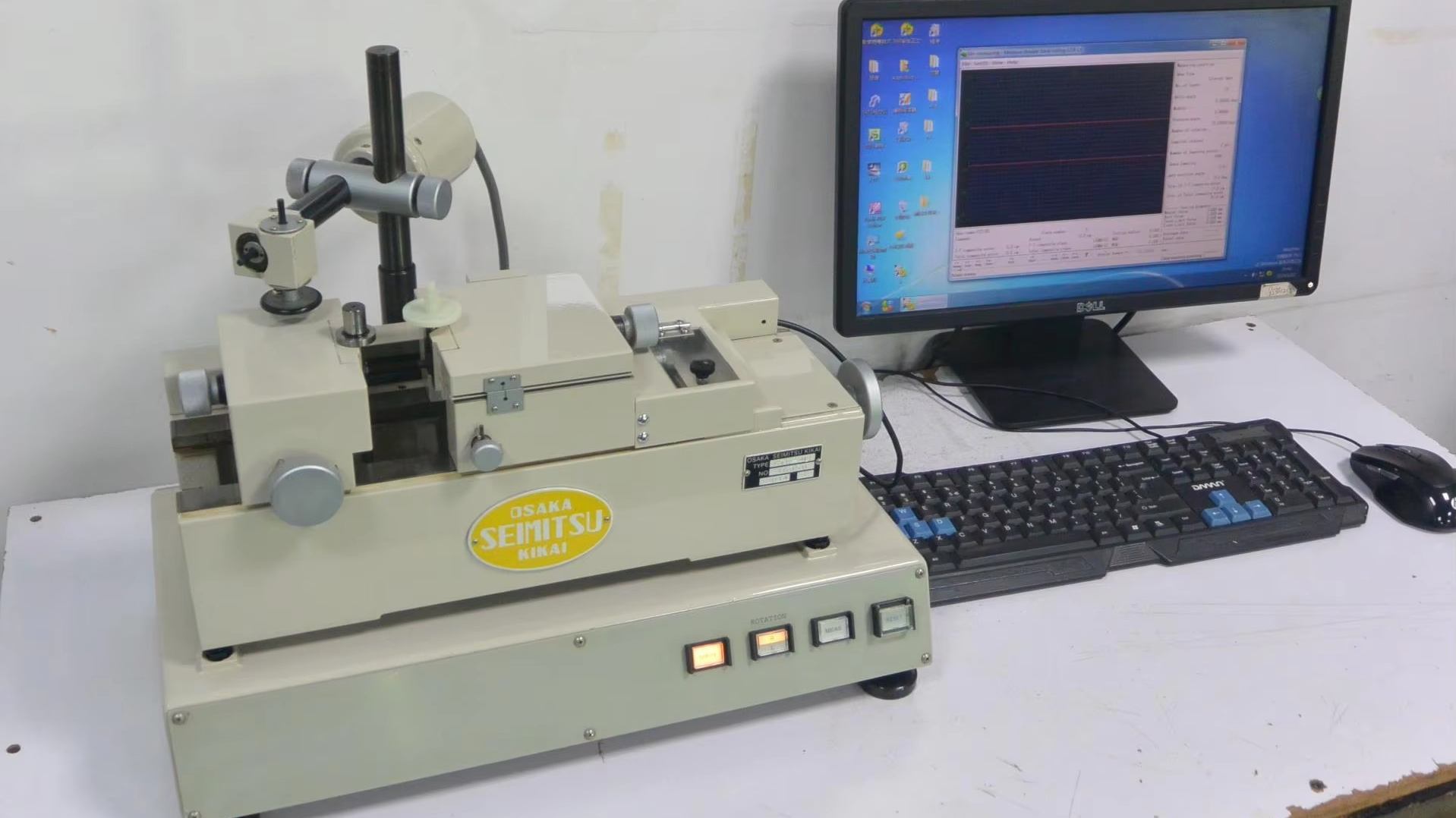
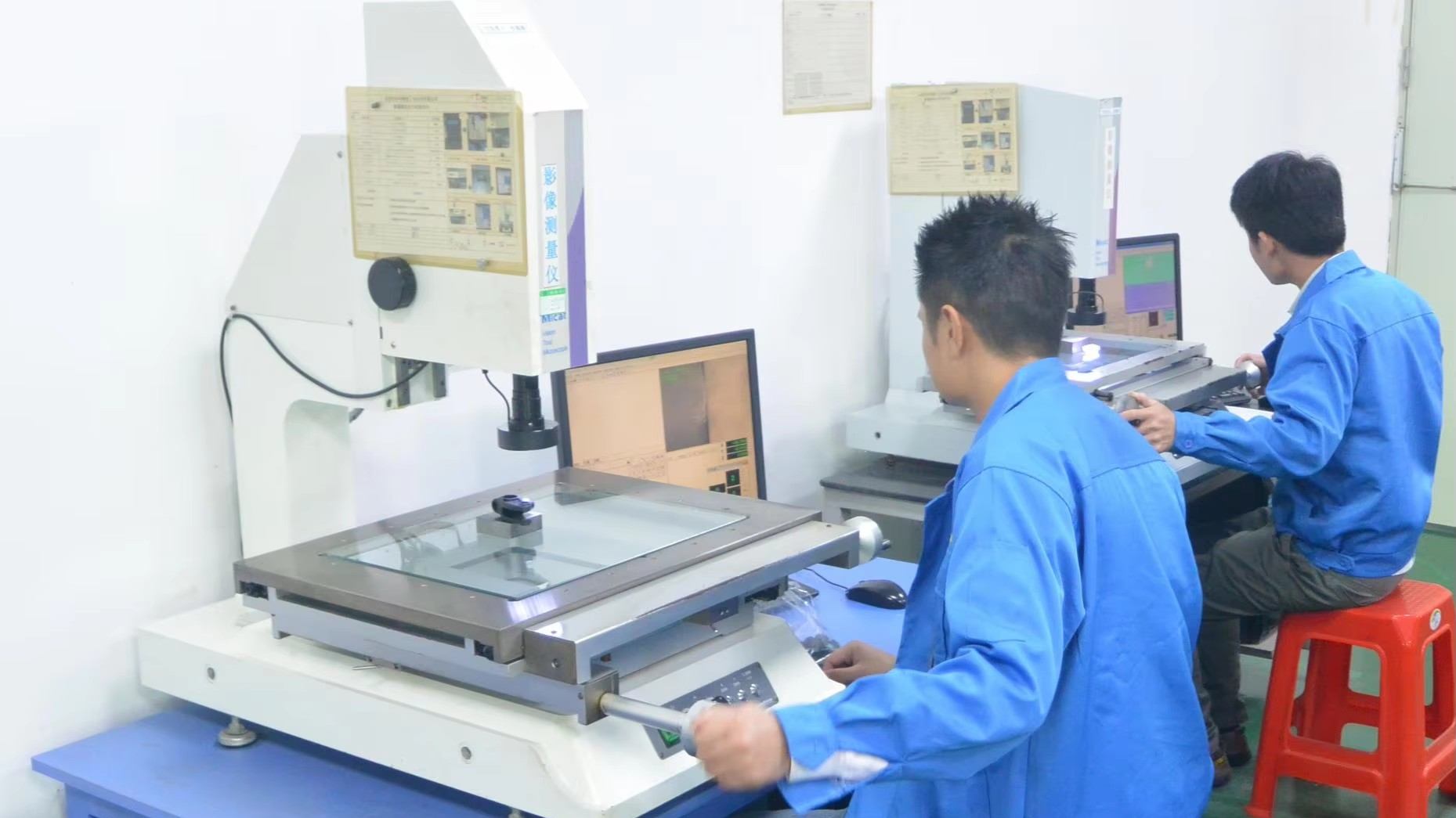
No-compromise calibration. We monitor tolerances down to the sub-micron scale.
When vetting the top gear shaft assemblies factories globally, procurement teams must go beyond simple quote comparison. The Search Quality Rater Guidelines highlight *experience, expertise, authoritativeness, and trustworthiness (E-E-A-T)* as core elements of reliable manufacturing partners. For precision transmission assemblies, this means evaluating:
We employ a closed-loop engineering process. Tooling is developed in-house with micro-precision CNC and Slow Wire cutting. Each batch undergoes visual inspection using Image Measuring Instruments and full gear parameter evaluation via Gear Meshing Instruments to verify tooth profile integrity.
Advanced plastics like POM offer self-lubricating features, significantly lower acoustic output, and low mass inertia. This makes them ideal for micro-actuators in UAVs, consumer electronics, and automotive cabin assemblies. For high-torque applications, we hybridize POM with metal insert-molded shafts.
Yes. Quality and environmental safety are essential parts of Kineto Motor’s operations. All materials, including plastics, lubricants, and metals, are fully documented and compliant with RoHS and REACH standards.
For customized plastic components or CNC metal prototypes, standard lead time ranges from 10 to 15 working days. Mass production runs depend on tooling complexity, typically taking 3 to 4 weeks after tool sign-off.
Discover planetary reducers, plastic spurs, and specialized gear components for industrial B2B applications.
 Kineto Motor