High-torque, low-draw micro-drive actuators configured for energy-constrained systems and marine environments.
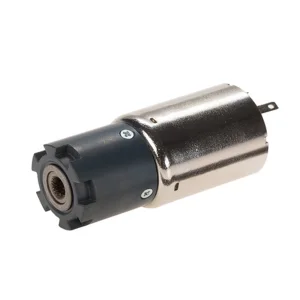
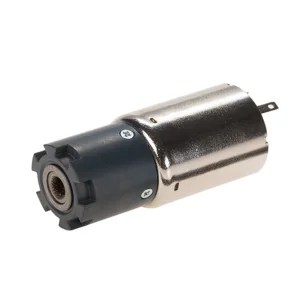
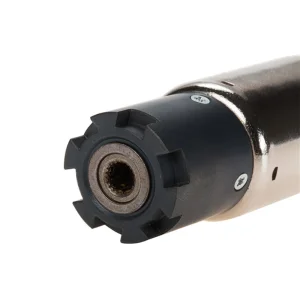
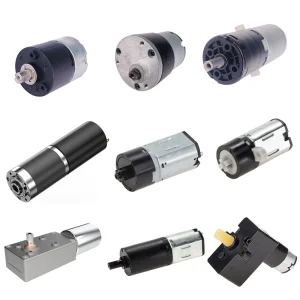
As global supply chains shift toward carbon-neutral mechanisms and decentralized infrastructures, the Republic of Kiribati poses unique operational and engineering challenges. For procurement officers and structural planners in Tarawa, acquiring mechanical components that resist high-salinity air, maintain high torque efficiency on 12V/24V solar microgrids, and offer zero maintenance lifetimes is paramount.
The Kiribati archipelago, spanning 3.5 million square kilometers of the central Pacific Ocean, is defined by its extreme isolation and vulnerability to environmental changes. Major shipping lanes route through South Tarawa (Betio Port), with local transport relying heavily on inter-island shipping. Heavy machinery operates in highly humid and salt-laden atmospheres, which accelerate chemical rust, stress fractures, and gear jamming.
Furthermore, because the country depends almost entirely on solar photovoltaic power for electricity on outer islands, motorized systems must run on low-voltage direct current (12V or 24V) with high energy efficiency. Standard AC-powered gearboxes are impractical for remote operations such as rainwater harvesting pumps, solar-tracking arrays, or refrigeration controls. Standard off-the-shelf plastic gears lack the shear strength for long-term load profiles, while cheap steel gears degrade through rust within months. Our planetary and spur gear designs target this specific trade-off by combining high torque densities with specialized anti-corrosion surfaces.
Industrial procurement in Oceania is shifting toward structural longevity. Component replacement costs in Kiribati are high due to freight tariffs and transport delays from international hubs. Consequently, engineering firms are prioritizing components with documented quality assurance (such as ISO9001 and RoHS certifications) over lower upfront costs.
Additionally, modern systems require integration with smart controllers. Automated solar sunscreens, agricultural pumping systems, and automatic skylights in remote eco-lodges demand micro-drive motors that integrate feedback loops (such as Hall-effect encoders) and deliver high startup torque. Kineto Motor meets this demand with customized pinion and planetary gearing configurations designed to withstand fluctuating loads.
We supply more than individual components; we deliver integrated mechanical drive solutions designed for Kiribati’s primary infrastructure:
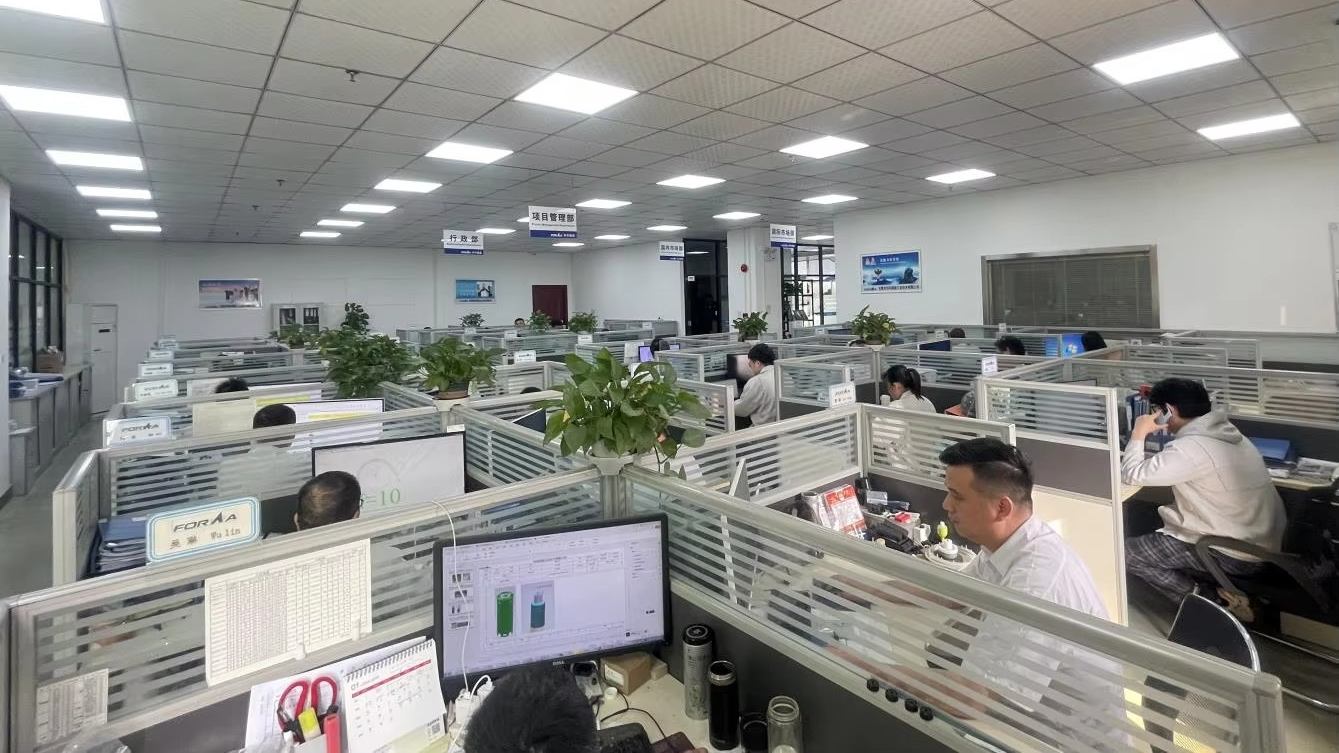
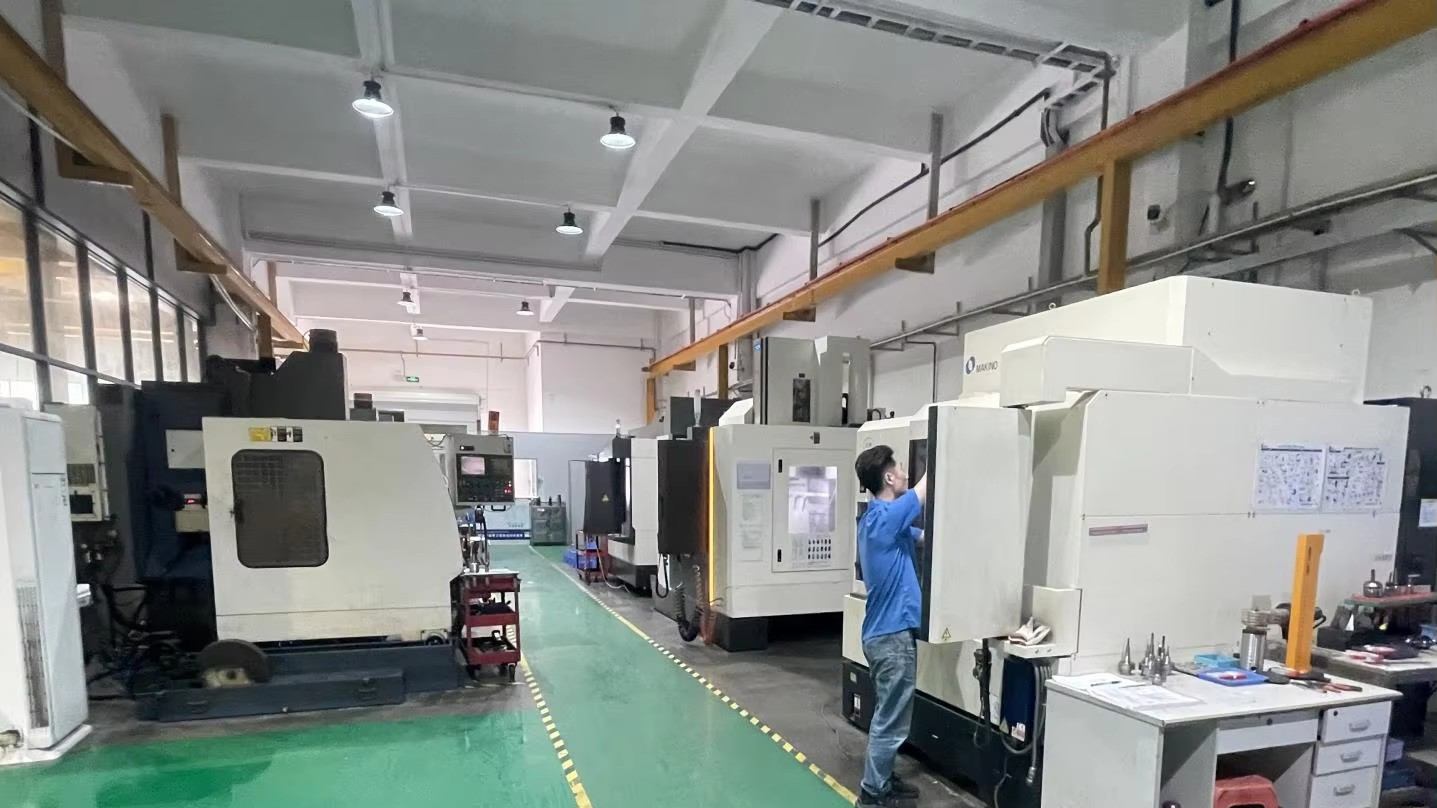
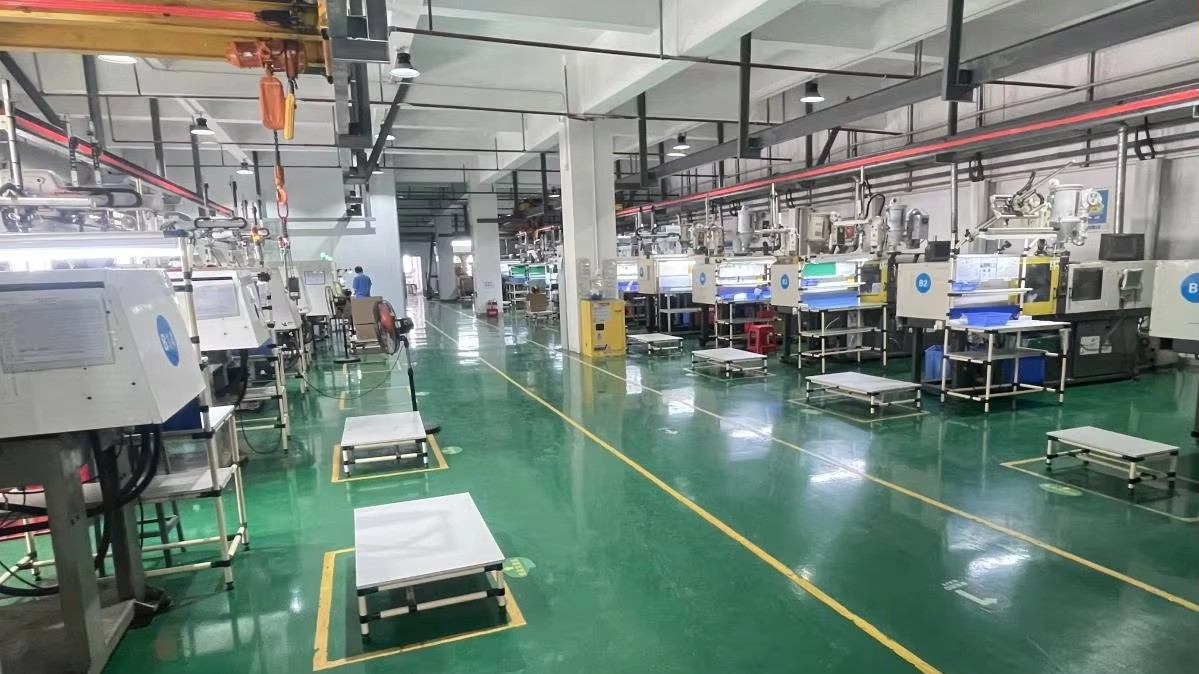
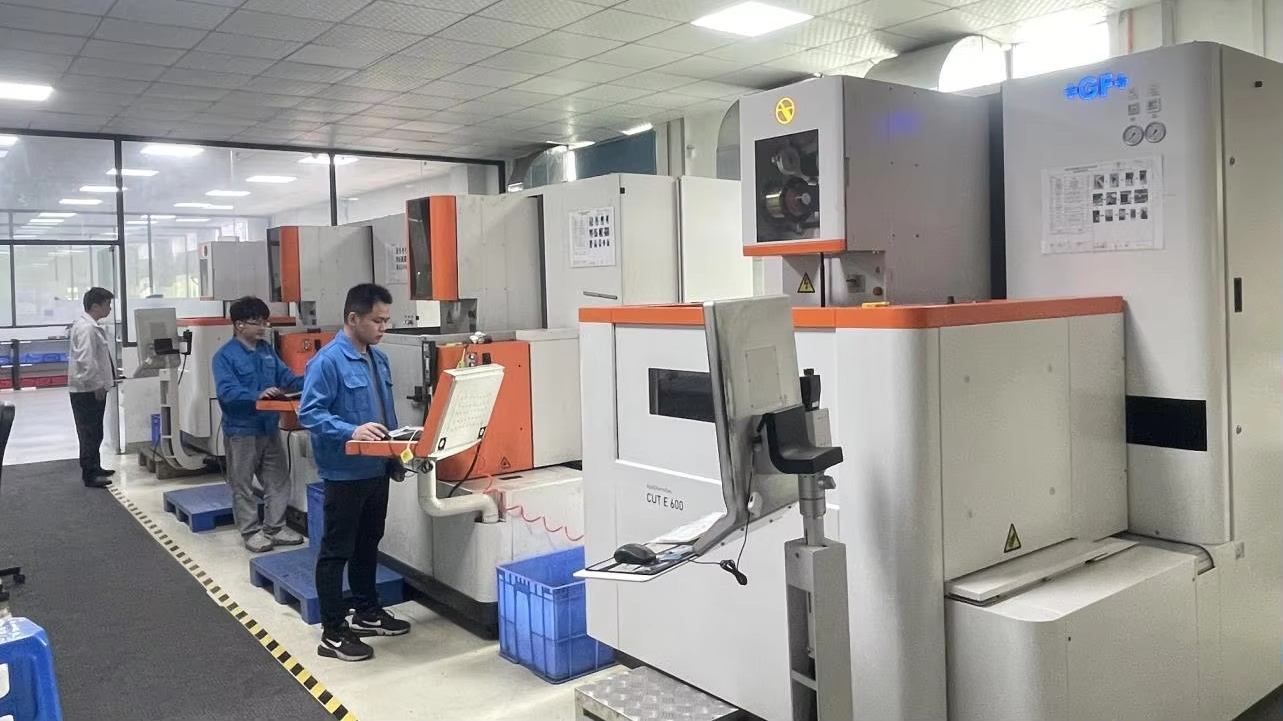
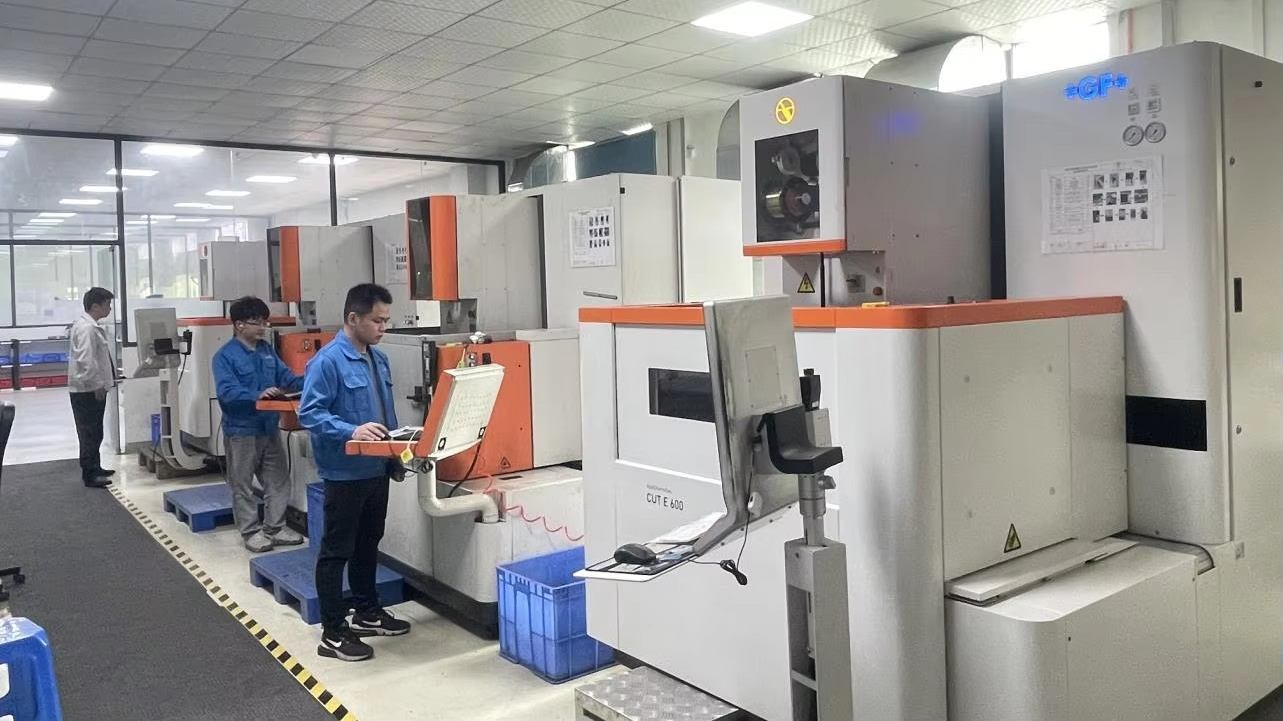
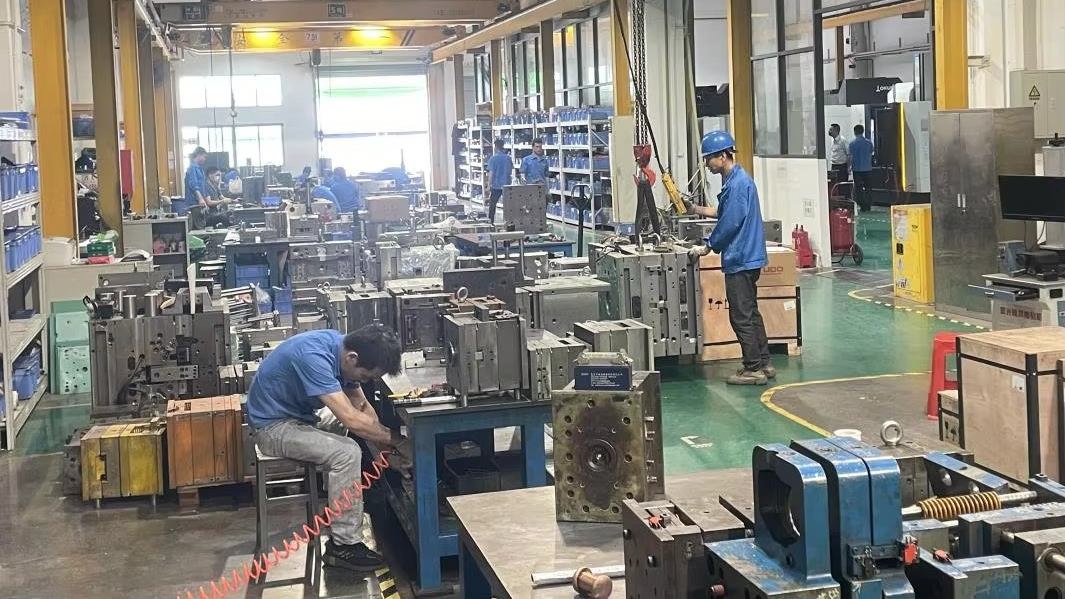
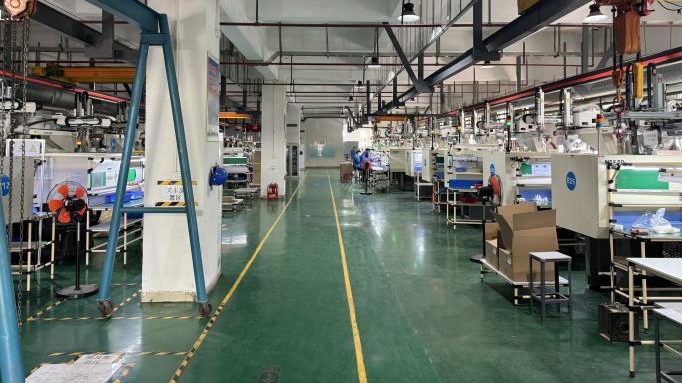
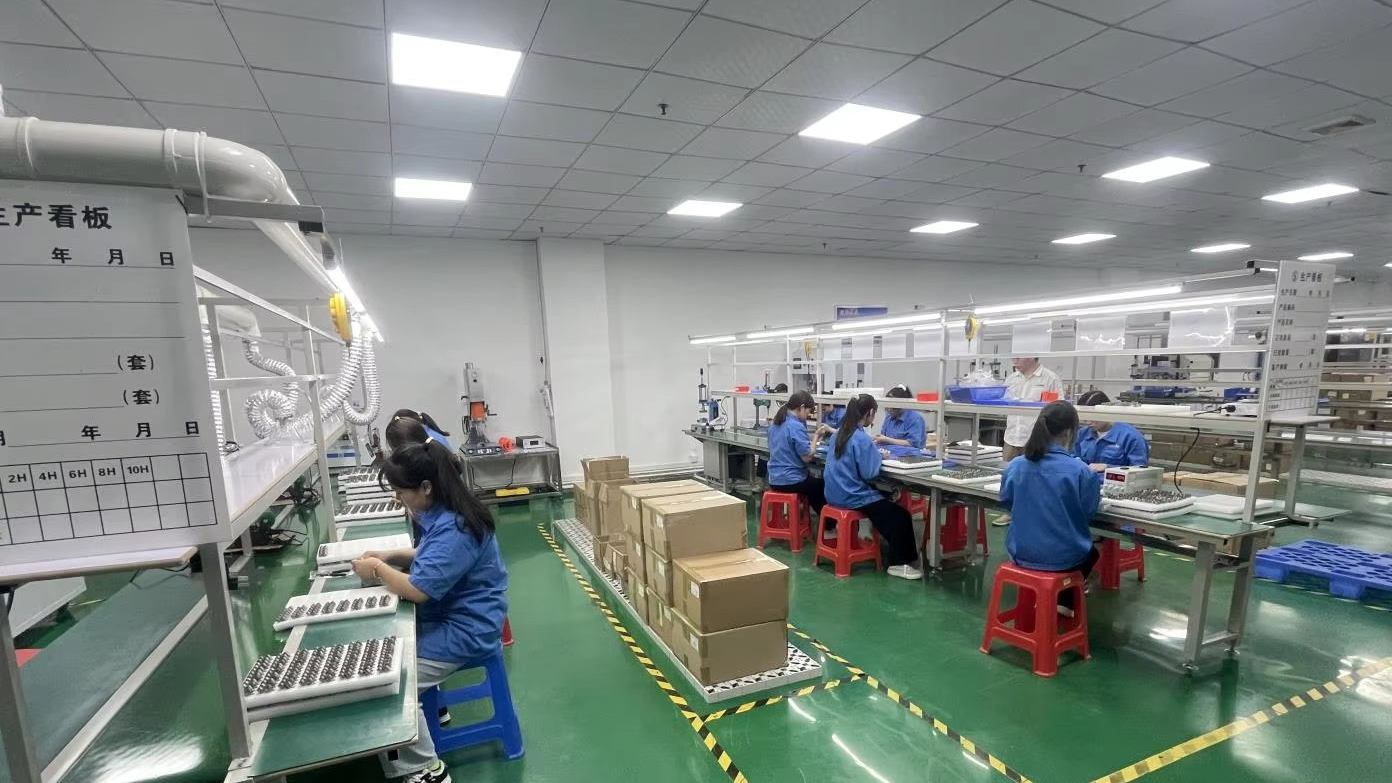
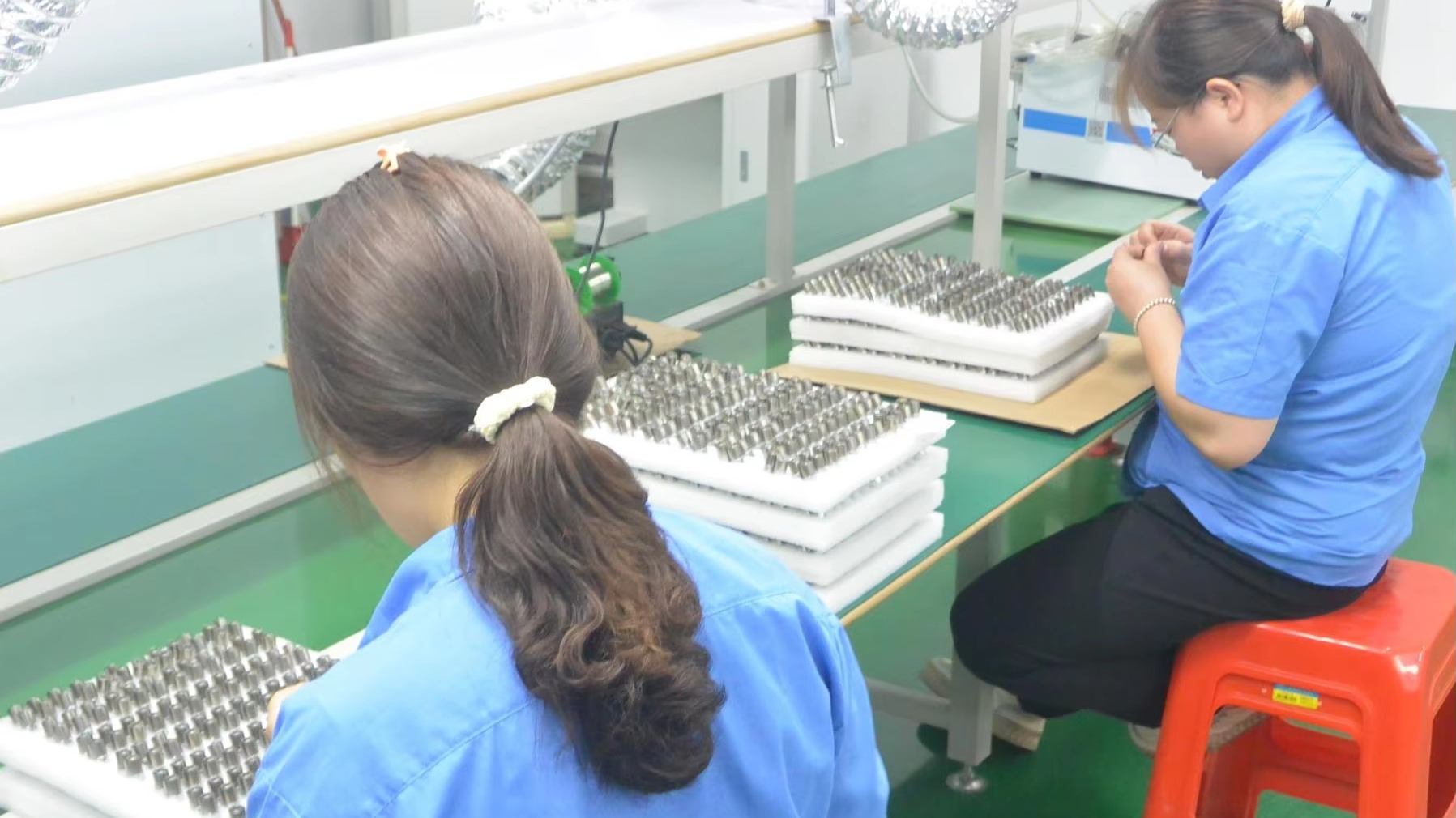
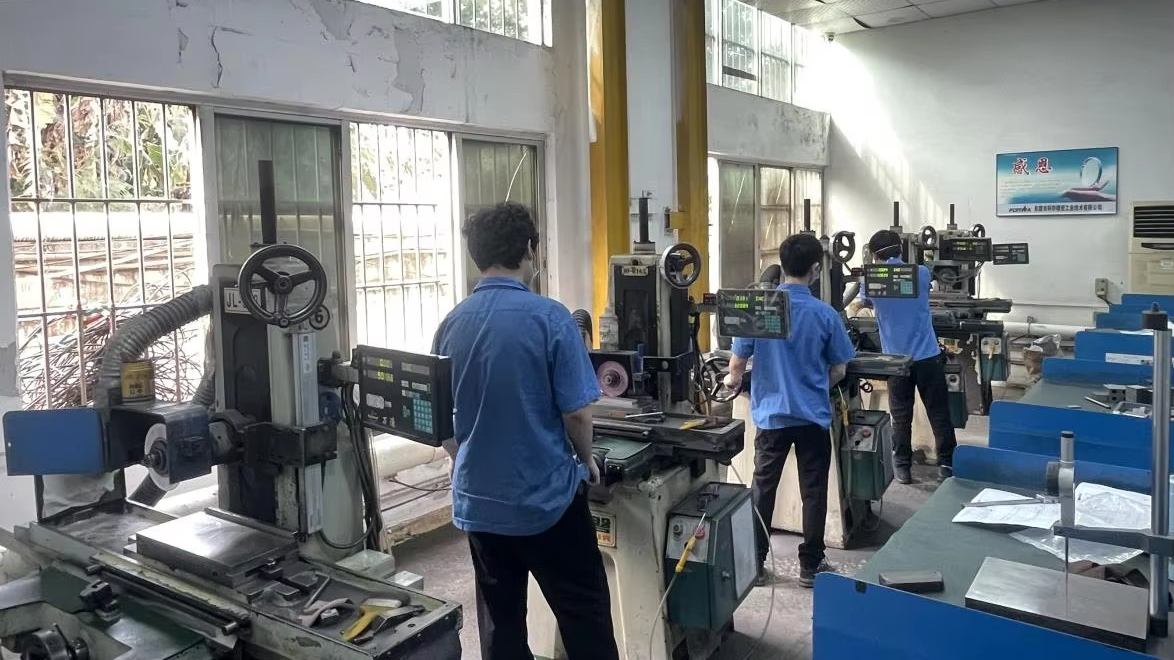
Welcome to the future of micro-drive manufacturing. Kineto Motor operates a state-of-the-art facility designed for efficiency, precision, and sustainability. As a leading China exporter of micro DC and brushless motors, we combine twenty years of industrial heritage with a forward-thinking approach to lean automated manufacturing.
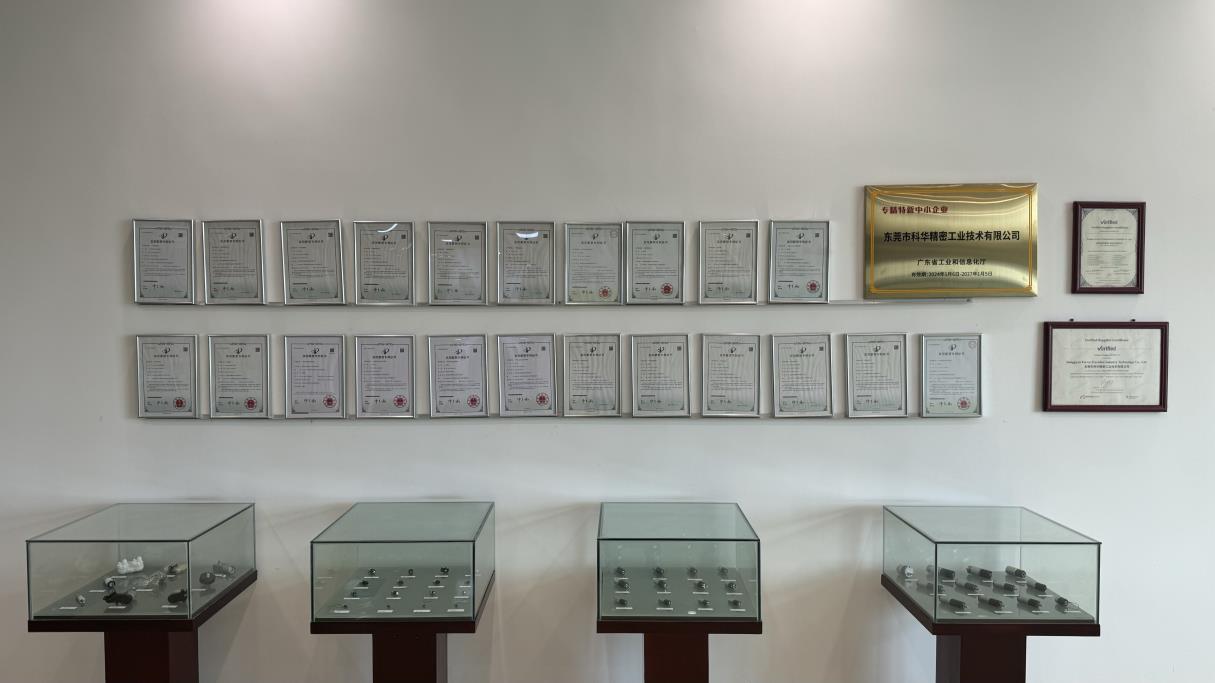
Quality and compliance are embedded in our DNA. Our entire production ecology conforms to rigorous international standards, including ISO9001, CE, RoHS, and REACH. By investing heavily in automated assembly lines and eco-friendly manufacturing processes, we ensure absolute consistency across high-volume production runs while minimizing our carbon footprint. When you choose Kineto Motor, you are not just choosing a supplier; you are choosing a responsible, transparent global supply chain partner committed to powering your products with high-efficiency, energy-saving motion control solutions.
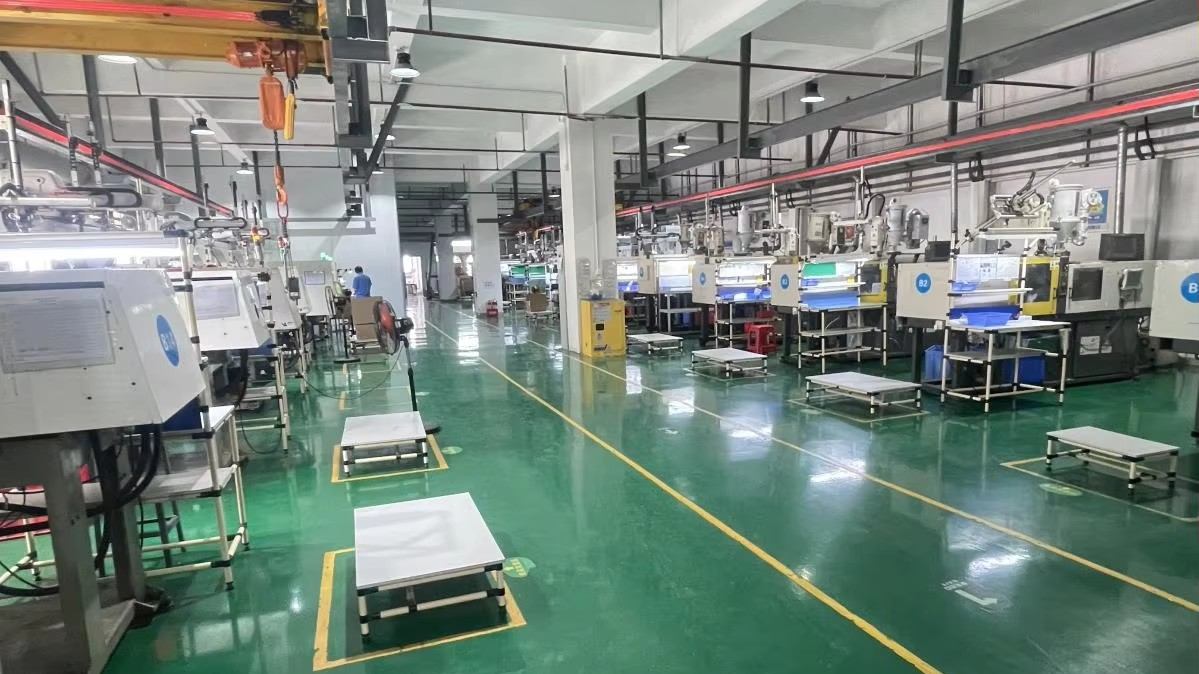
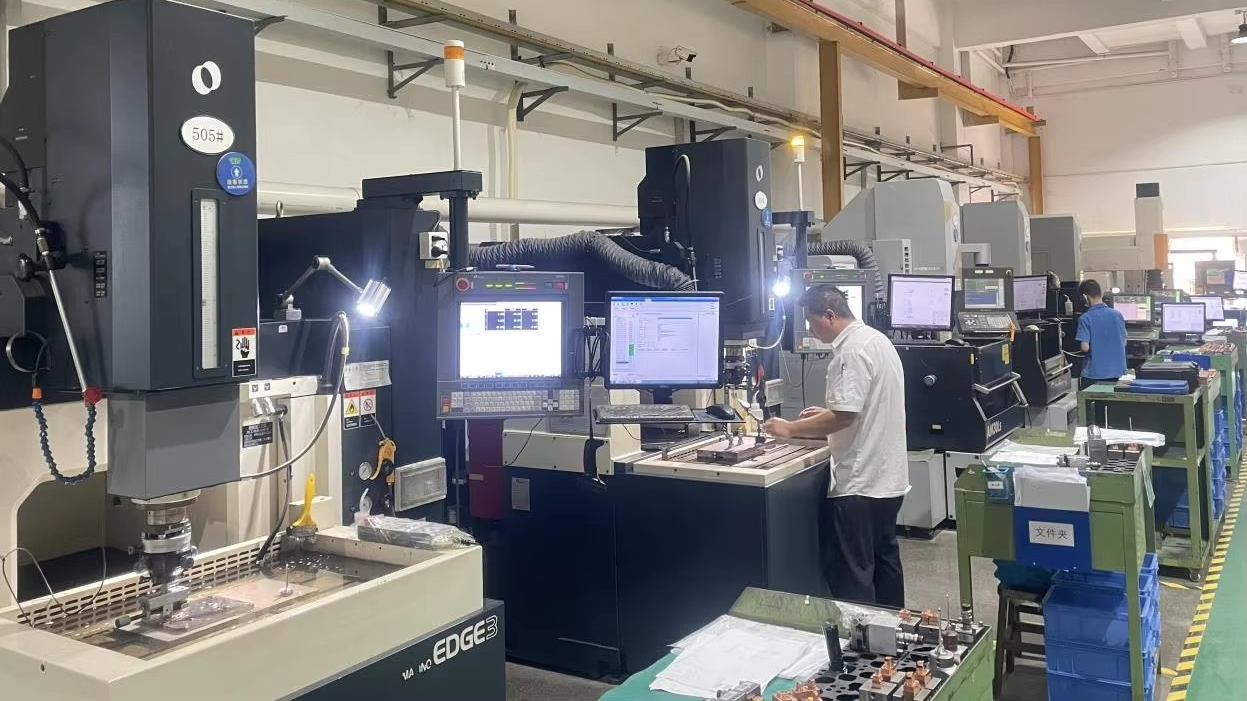
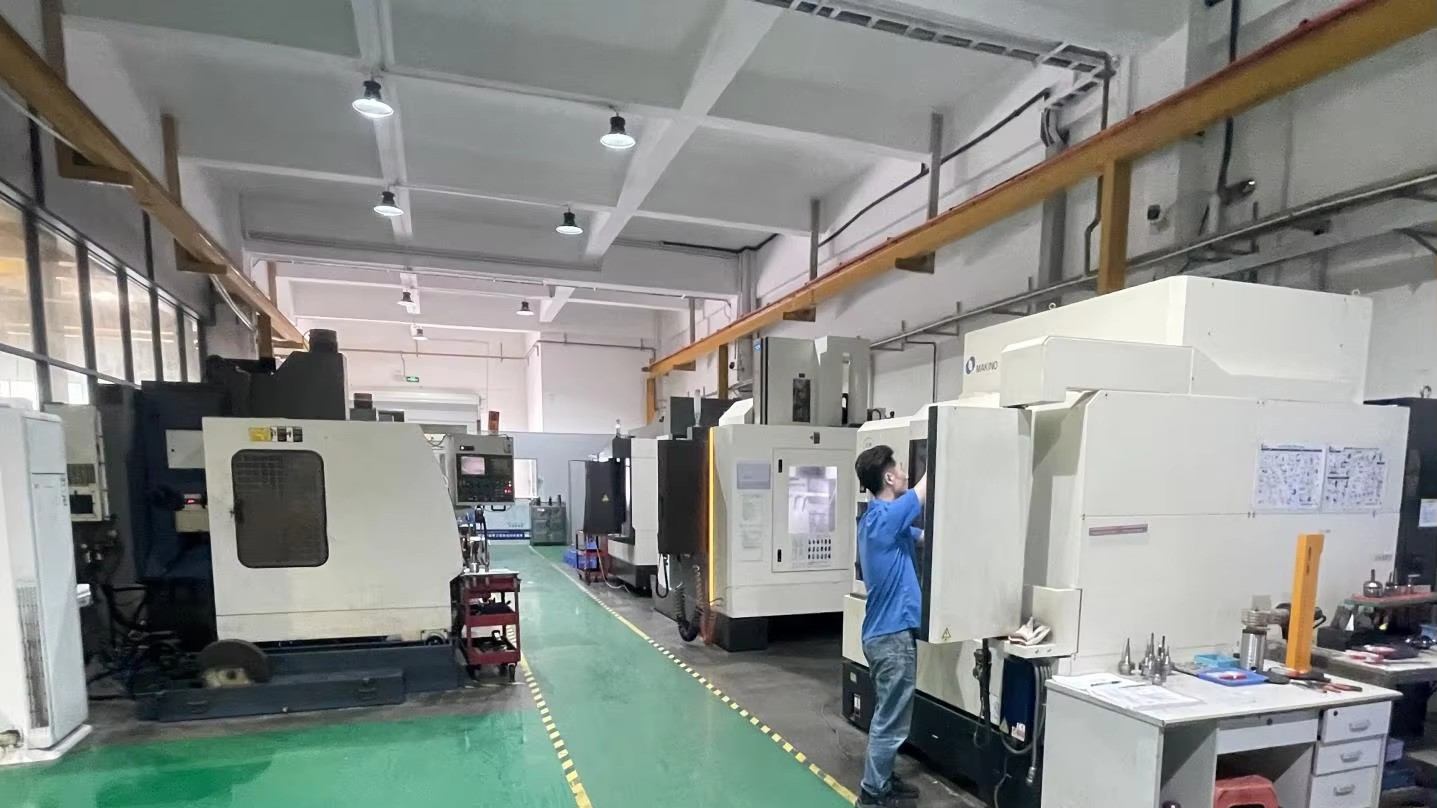
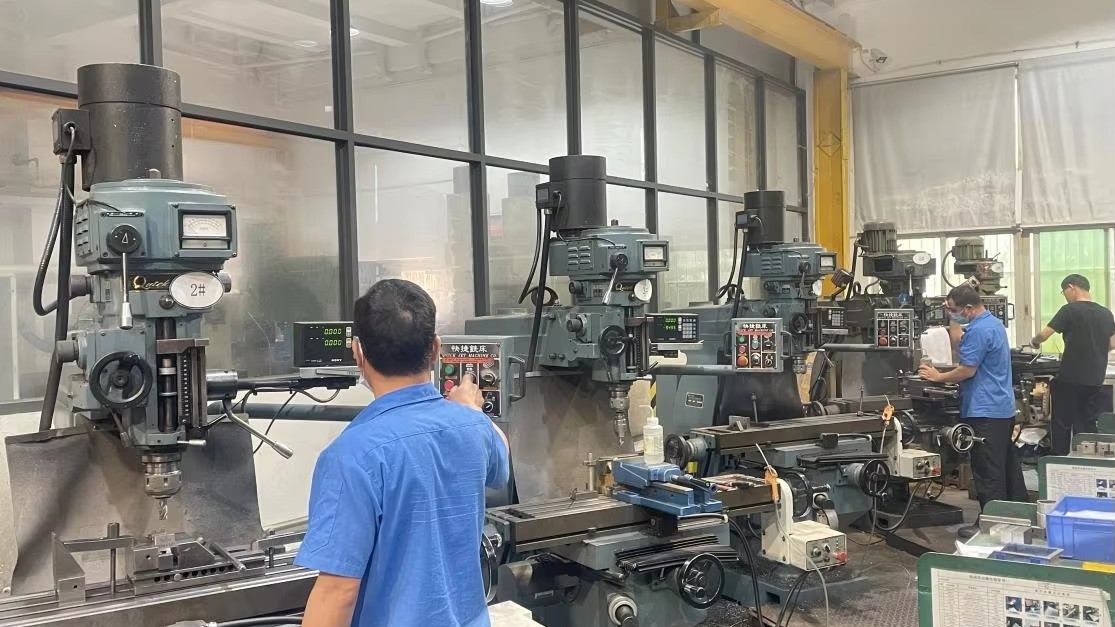
In low-lying atoll countries like Kiribati, mechanical components face constant exposure to chloride ions. When oxygen, moisture, and salt ions combine on gear teeth, they trigger pitting corrosion. This micro-scale degradation alters gear profiles, causing transmission errors, noise, and mechanical failure.
To prevent this, Kineto Motor utilizes advanced powder metallurgy (sintered steel) and custom surface coatings. By using powder metallurgy, we can produce porous metal parts that are vacuum-impregnated with specialized lubricants. This creates a self-lubricating gear structure that maintains an oil film even during periods of disuse, preventing internal rust.
For external components exposed directly to salt air, we apply electroless nickel plating or dacromet coatings. This provides over 240 hours of salt spray resistance (under ASTM B117 standards). We also utilize engineered plastics (such as POM and PA66-GF30) for light-duty gearboxes to eliminate corrosion risk while maintaining structural integrity in hot climates.
Choosing the correct gear material is critical for system longevity:
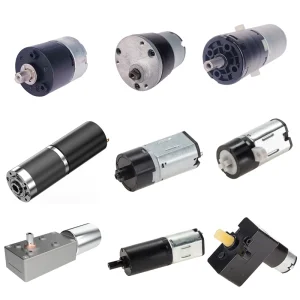
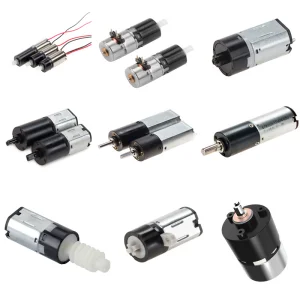
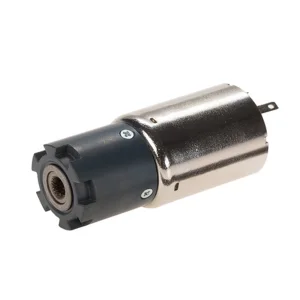
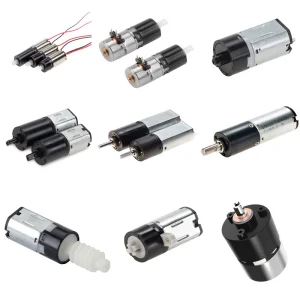
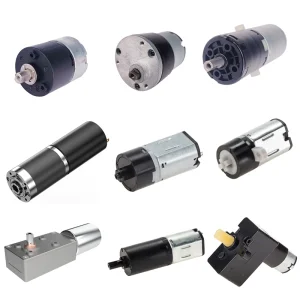
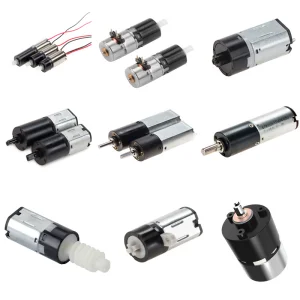
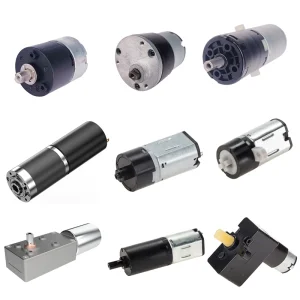
Select your configuration. All models are available for direct export to Tarawa and outer Kiribati islands with complete documentation.
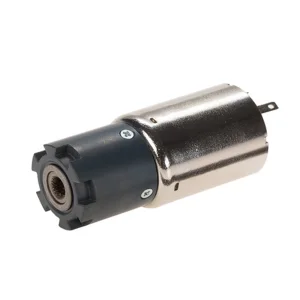
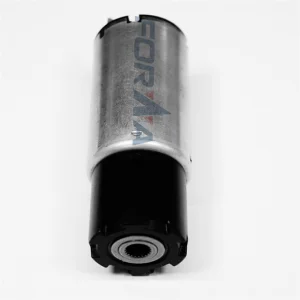
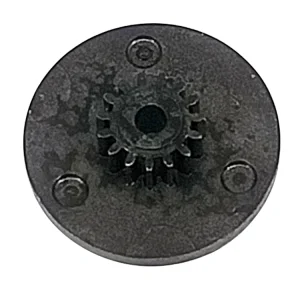
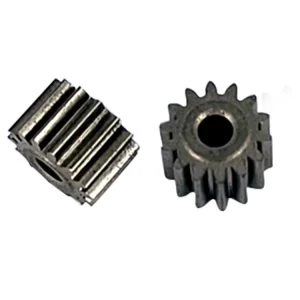
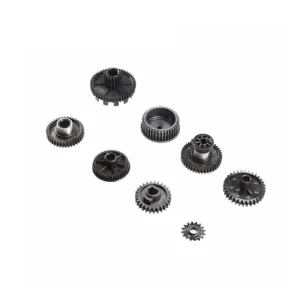
Shipping to the Pacific requires specialized packaging. High-humidity sea transit from Chinese ports to South Tarawa can induce pre-installation oxidation if packaging is insufficient.
To address this, Kineto Motor utilizes multi-barrier protective packaging for all Kiribati exports. This includes anti-rust oils, VCI (Volatile Corrosion Inhibitor) bags, and vacuum-sealed desiccant packs inside heavy-wall corrugated cartons. We coordinate with major container carriers to ensure smooth customs clearance at Betio Port, providing all necessary commercial invoices, packing lists, and origin certificates.
Our regulatory certifications streamline local compliance. Our compliance with European CE, RoHS, and REACH directives ensures that our micro-drives meet strict safety and environmental standards, making them suitable for use in public infrastructure projects funded by international development banks in Oceania.
As micro-drives become more complex, Kineto Motor is focusing its research on two key areas: brushless integration and tribological coatings.
Brushless motors offer significantly longer operational lives by eliminating brush wear, which is especially beneficial in high-dust atoll environments. Additionally, we are developing Diamond-Like Carbon (DLC) coatings for our micro planetary gearheads. These coatings reduce friction coefficients and extend wear life under boundary lubrication conditions, allowing systems to operate reliably even if primary lubricants break down under high heat.
Quick answers to technical, commercial, and logistical queries regarding our micro gear motors and metallurgy services.
QHow do you protect your gear motors against the high-salinity air of Kiribati?
We utilize a combination of materials and surface treatments: stainless steel (SUS316/304) for critical shafts, specialized anti-rust coatings (such as dacromet and nickel plating) on metal brackets, and high-grade synthetic grease designed to resist water washout. For non-structural casings, we offer high-strength POM plastics that are immune to salt-air corrosion.
QCan your 12V and 24V DC gear motors run on solar PV and battery systems?
Yes. Our micro DC motors are engineered for high electrical efficiency, drawing low current under nominal loads. This makes them ideal for off-grid PV installations where battery capacity is limited. We also customize winding specifications to maximize torque at lower voltages.
QWhat is the typical shipping lead time from your factory to the port of Betio (Tarawa)?
Our standard manufacturing lead time is 25 to 30 days from order confirmation, depending on customization requirements. Ocean freight transit from major Chinese ports (such as Shanghai or Shenzhen) to Tarawa typically takes 35 to 45 days. We use VCI protective packaging to safeguard components during sea transit.
QDo you provide custom design services for specific gear ratios and torque limits?
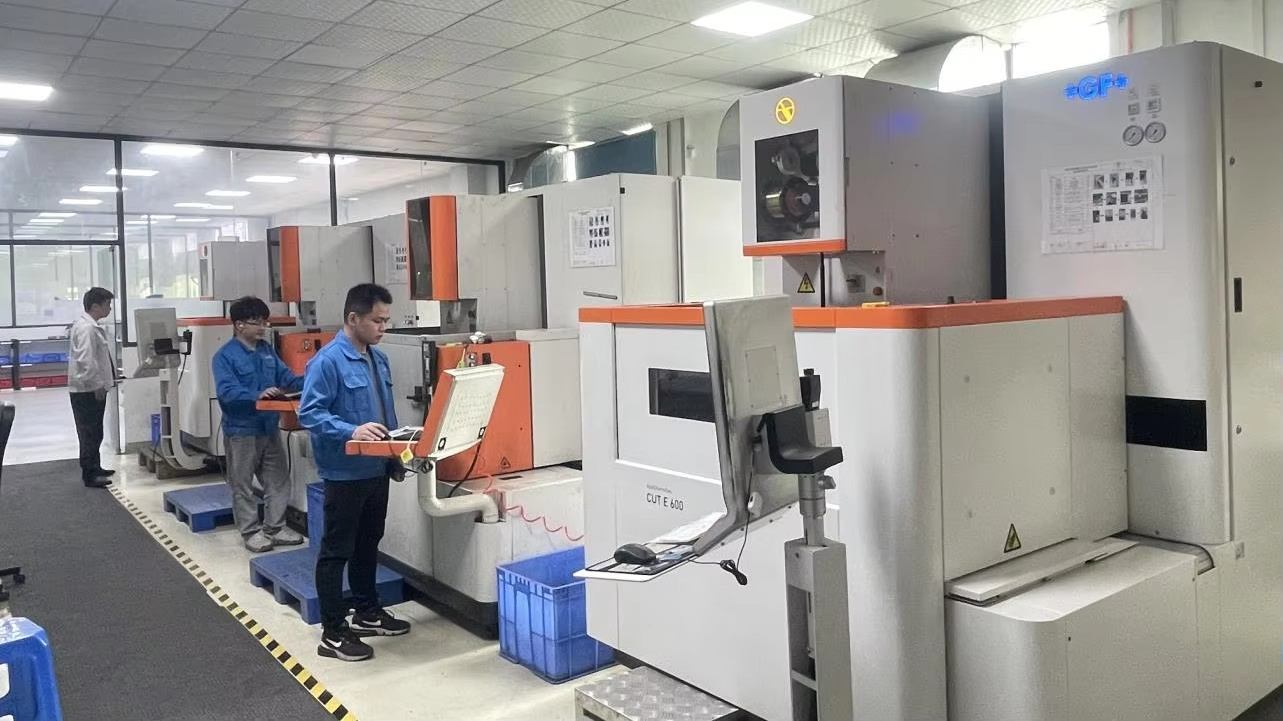
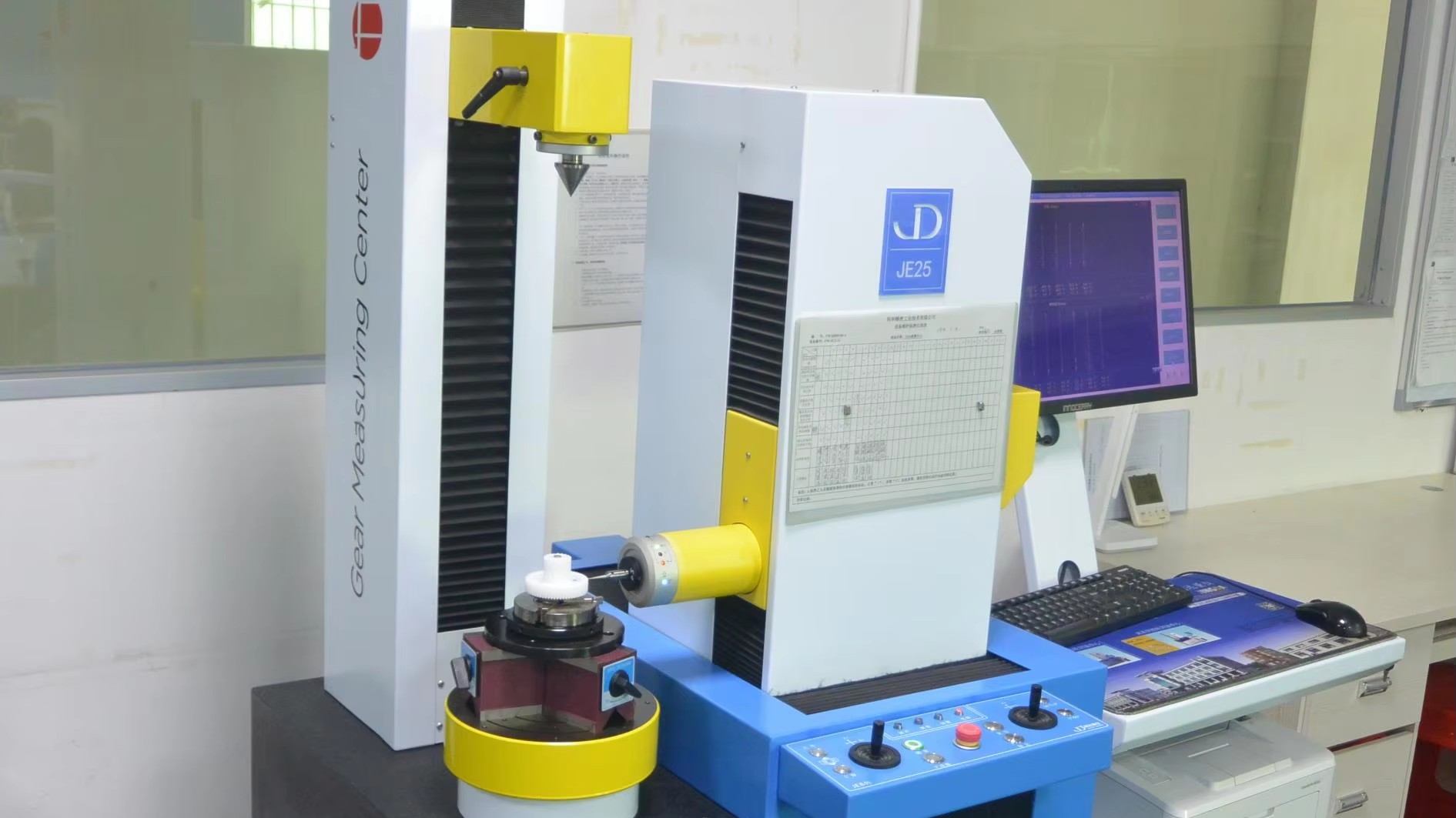
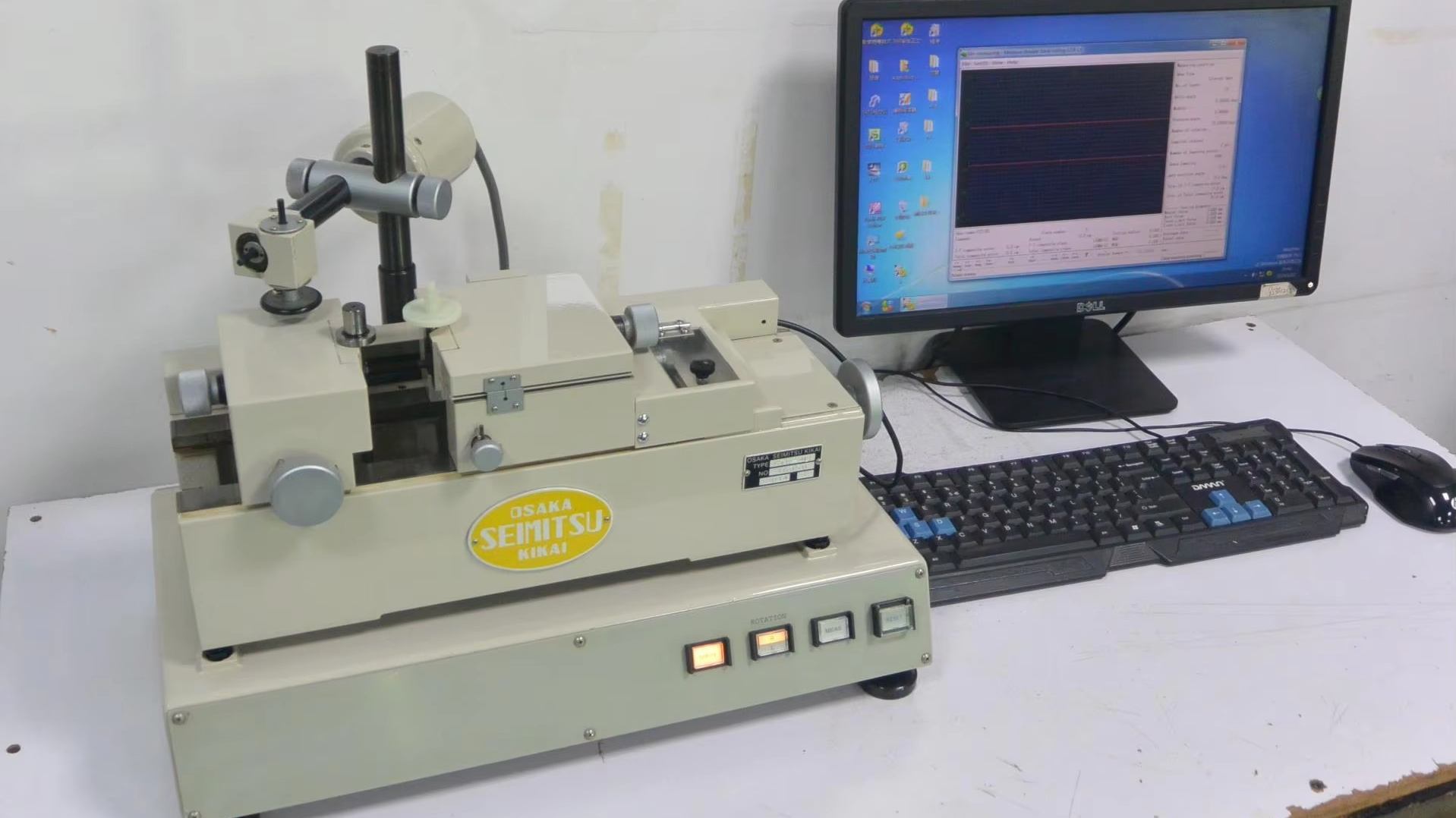
Yes. Our R&D team can modify gear ratios, shaft configurations, and motor windings. We use advanced CAD and gear-meshing test instruments to ensure custom gearboxes meet exact torque, speed, and dimensional requirements.
QHow does your factory ensure the quality of high-volume runs?
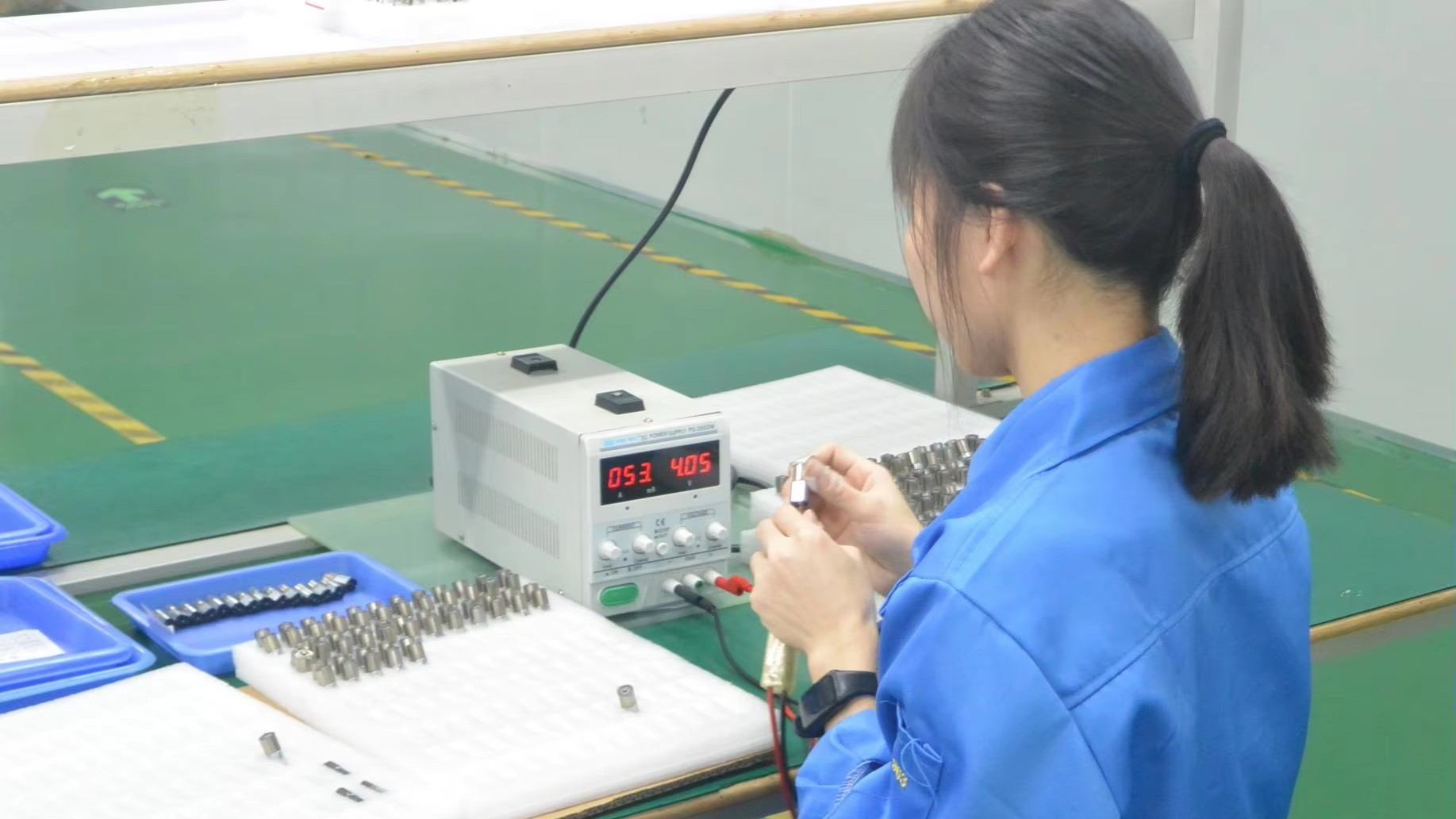
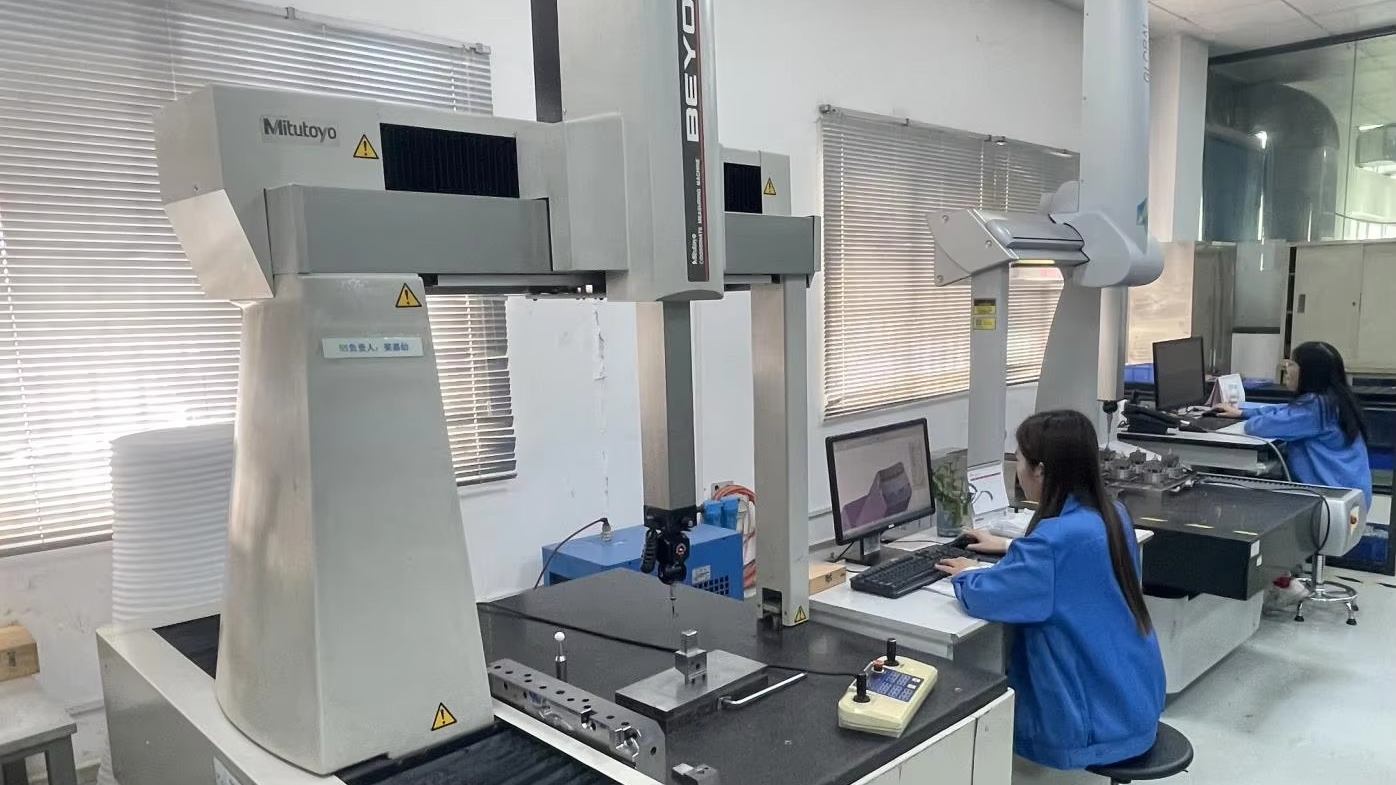
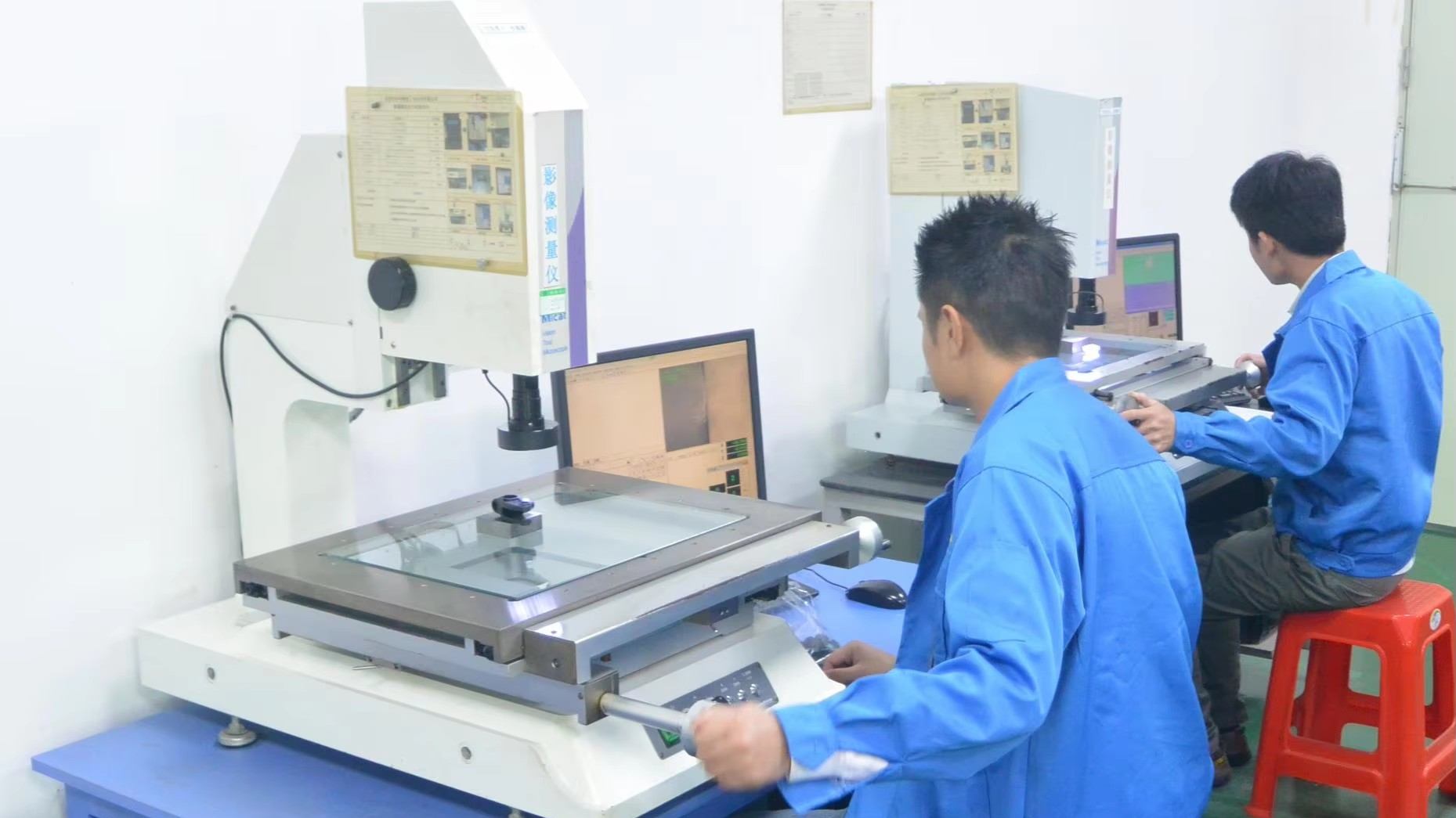
We maintain ISO9001 certification and use automated assembly lines alongside precision inspection tools. This includes Coordinate Measuring Machines (CMM), JE25 Measurement Centers, and automated test benches that verify electrical and mechanical parameters before packaging.
 Kineto Motor